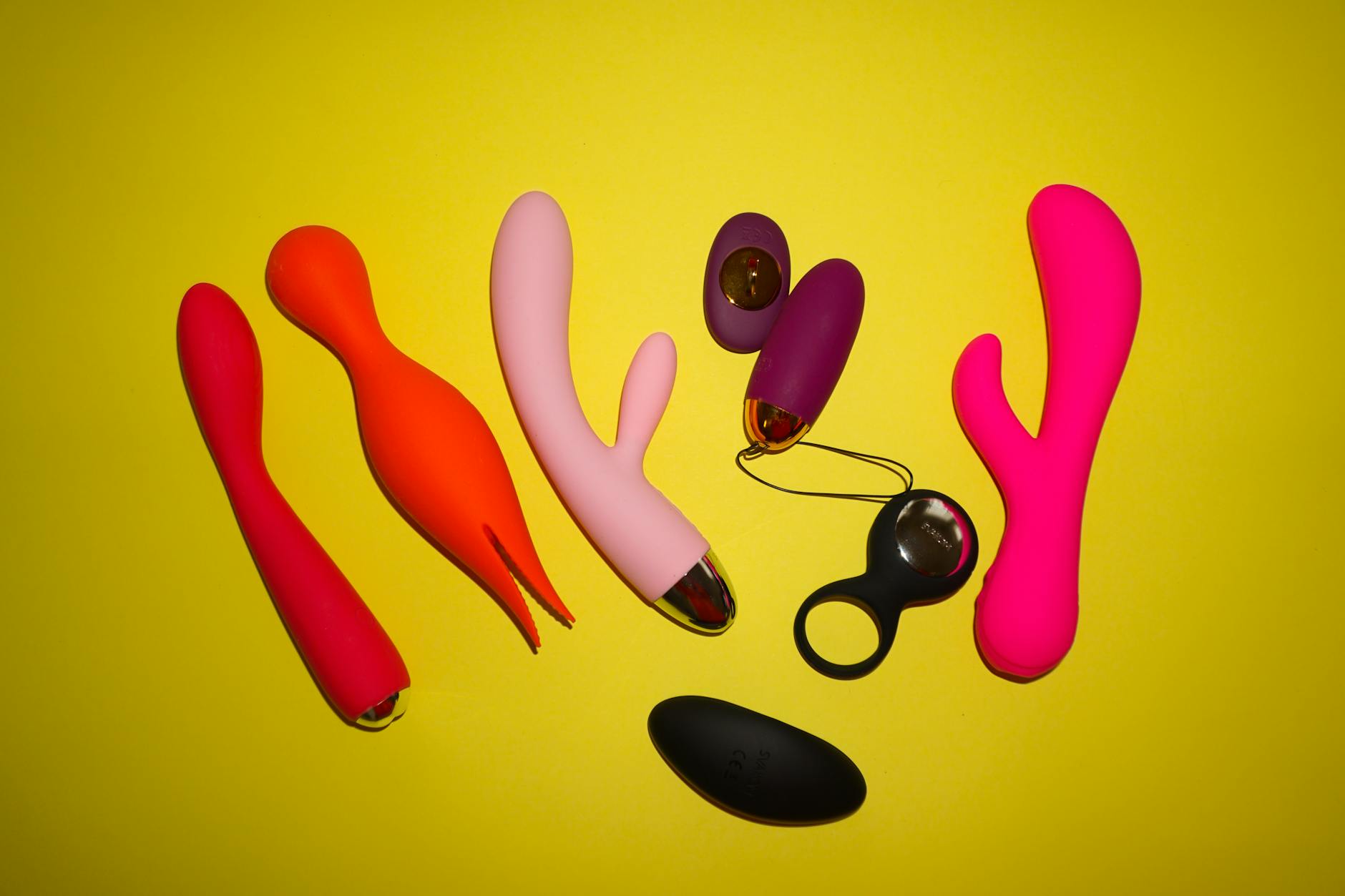
Let's name the thing nobody talks about
One of you finishes in five minutes. The other needs twenty. Neither of you is wrong, and neither of you is broken. You're just operating on different timelines, and trying to force those timelines to match has probably made sex feel like a puzzle instead of pleasure.
Here's the part that surprises couples: a lemon vibrator doesn't fix this. But it completely reframes it. Instead of one person waiting or one person rushing, you both get to chase your own pleasure at your own pace. That changes everything.
Why orgasm timing mismatches happen
Your bodies are literally wired differently. Someone with a vulva might need consistent clitoral stimulation for 15 to 20 minutes to reach orgasm. Your partner might be ready in 3. Neither timeline is "normal"—both are normal.
This gap widens depending on stress, medication, arousal level that day, hormonal cycle, and how connected you feel. Add in the pressure of trying to synchronize, and the nervous system tightens. Orgasms get harder, not easier.
The biggest mistake couples make is treating this as a performance problem. "I'm taking too long" or "You're done too fast." It's not. It's a logistics problem. And logistics problems have solutions.
How a lemon vibrator changes the dynamic
A lemon suction toy like the Lem works here because it decouples your pleasure from your partner's. You're no longer waiting for them to be ready, and they're no longer holding back to let you catch up.
Instead, you both start together. One of you might climax at minute five. That's fine—keep the vibrator going if you want more, or pause and focus on your partner. The pressure dissolves because there's no finish line you're racing toward together.
For the partner who takes longer, a lemon clitoral vibrator removes the friction that often comes from extended manual stimulation. The suction pattern provides consistent, customizable intensity without the wear-and-tear feeling of traditional vibration. Why Lemon Vibrator Suction Works Better Than Vibration for Clitoral Overstimulation explains this in detail, but the basic idea is that suction feels less taxing over longer sessions.
For the partner who comes quickly, it also takes pressure off. You're not responsible for getting your partner there. You can relax into your own pleasure without monitoring their progress.
The setup that actually works
Start the conversation outside the bedroom. Not "We need to fix our timing" but "I want to try something that might make this more fun for both of us." Frame it as expansion, not correction.
Then agree on what you're both looking for. Are you aiming to both come? Does one of you want multiple orgasms while the other settles for one? Is the goal extended foreplay or quicker overall sessions? These are logistics questions. Answer them first.
When you're actually in bed, start with foreplay that doesn't have an endpoint. This is important. If you jump straight to the lemon vibrator, it can feel like the toy is the main event rather than one part of a larger experience.
When someone reaches orgasm first, pause without withdrawal. Stay connected. The partner still building arousal knows they're not being abandoned—they're just on their own timeline now. This is the permission structure that changes everything. You're not obligated to come together anymore.
Practical pacing with a lemon clitoral vibrator
If you're the faster partner, using a lemon vibrator means you can stay engaged longer without oversensitivity. Switch between the toy on lower settings and manual touch. This keeps you in pleasure without crossing into that overstimulated zone where more sensation feels like too much.
If you're the slower partner, you get to focus entirely on your own sensation without guilt. The toy does the repetitive work, which is exhausting for fingers. You can breathe, relax, and let your body catch up. Many people find they actually come faster when they're not performing for someone else.
Intensity progression matters too. Start at pattern 1 or 2 on the Lem vibrator and let arousal build before moving to higher settings. Best Lemon Vibrator Settings for Beginners walks through this, but the core principle is that your body responds better when you're not going full intensity immediately.
What happens after one person finishes
This is where couples mess it up. After one of you comes, there's often an awkward pause. The person who finished thinks they should leave, or they feel obligated to get their partner there faster. Neither helps.
Instead, reframe it as a transition. The partner who finished can touch, kiss, or use their hands on other parts of their partner's body while the toy continues. Stay in contact. Stay present. You're not waiting for someone to finish—you're enjoying the extended foreplay that comes naturally when you're not rushing.
Some couples take turns. One person uses the lemon vibrator while the other focuses on their own pleasure, then they switch. This works beautifully because it removes the pressure of simultaneous orgasms entirely. You're each in control of your own timeline, and there's built-in attention and care because you're actively involved in your partner's experience.
The conversation that needs to happen
If one partner feels like they're taking "too long," that shame usually shows up during sex as tension. The body tightens. Orgasm gets harder. Then the timeline gets even longer, and the shame deepens.
Using a lemon vibrator without addressing the shame just bypasses the real issue. Talk about where the pressure came from. "I feel like I'm delaying you." "I feel rushed." These are the actual problems, and they need air before the toy makes a difference.
Often, the faster partner has no idea they're making the slower partner feel rushed. They're just enjoying their own pleasure. And the slower partner doesn't realize their partner isn't frustrated—they're just done. Both are operating on completely false assumptions about what the other person wants.
Honestly? A 15-minute conversation can shift this more than any toy. But combine that conversation with a lemon clitoral vibrator, and you've removed both the shame and the logistics problem. That's when real change happens.
Rebuilding pleasure after timing conflicts
If orgasm timing mismatches have made sex feel tense, expectations might be all tangled up. Some couples haven't had good sex in months because every attempt feels like a failure.
Start small. Use the lemon vibrator in a totally pressure-free context. Maybe just foreplay. Maybe no expectation of orgasm at all. Let the nervous system settle. When there's no finish line, arousal actually works better.
Many couples find that after a few sessions without the pressure, the original timing gap doesn't matter as much anyway. The problem was never the timing. It was the shame and obligation wrapped around the timing.
FAQ: Orgasm timing and pleasure
Why do people come at different speeds? Nervous system sensitivity, medication side effects, hormonal fluctuations, stress levels, and how much pressure you're under all affect orgasm timing. Someone might be slower with one partner and faster with another depending on emotional safety and arousal. There's no "normal" speed.
Does using a lemon vibrator mean we're not compatible? Not even close. Bringing in a tool means you're problem-solving together. Some of the most connected couples use toys because they remove the performance pressure. You're saying "I want this to feel good for both of us," which is the opposite of incompatibility.
What if the toy makes things feel less intimate? That's usually because you're treating it as a replacement instead of an addition. If the lemon vibrator is the only thing happening, sure, it can feel disconnected. But if you're touching, kissing, and connecting while it's running, most couples experience more intimacy, not less. The pressure is gone, so you can actually be present.
Can a lemon vibrator help if one partner has delayed orgasm from antidepressants? Yes. How to Use a Lemon Vibrator When Antidepressants Affect Your Pleasure covers this in detail, but the short answer is that consistent, customizable stimulation helps when your nervous system is moving slower. The toy does the repetitive work so your brain doesn't have to.
What if one person doesn't want to use a toy? Then you're back to the conversation. Often resistance to toys comes from shame ("If you needed this, was I not enough?") or feeling like it's a judgment ("If I use this, am I admitting I can't get you there?"). These are the real issues to untangle. The tool is secondary to the permission.
How do we introduce this without it feeling like a criticism? The framing matters entirely. "I want to try something that might make this even better for both of us" is different than "We need to fix the timing problem." One is collaborative expansion. The other is remedial. Go with expansion.
The bigger picture
Orgasm timing mismatches aren't a sign that something's wrong with your relationship or your bodies. They're normal. What matters is whether you can talk about them without shame and whether you're willing to try solutions that remove the pressure.
A lemon vibrator does that. It's not magic. It's logistics. And sometimes the most intimate thing you can do is problem-solve together about pleasure instead of suffering through mismatched timelines in silence.
If you're ready to explore this, start with the conversation. Then add the tool. Watch what happens when you give both people permission to be on their own timeline.
Questions? We're here to help. Reach out at /contact and let's talk through what might work for your situation.