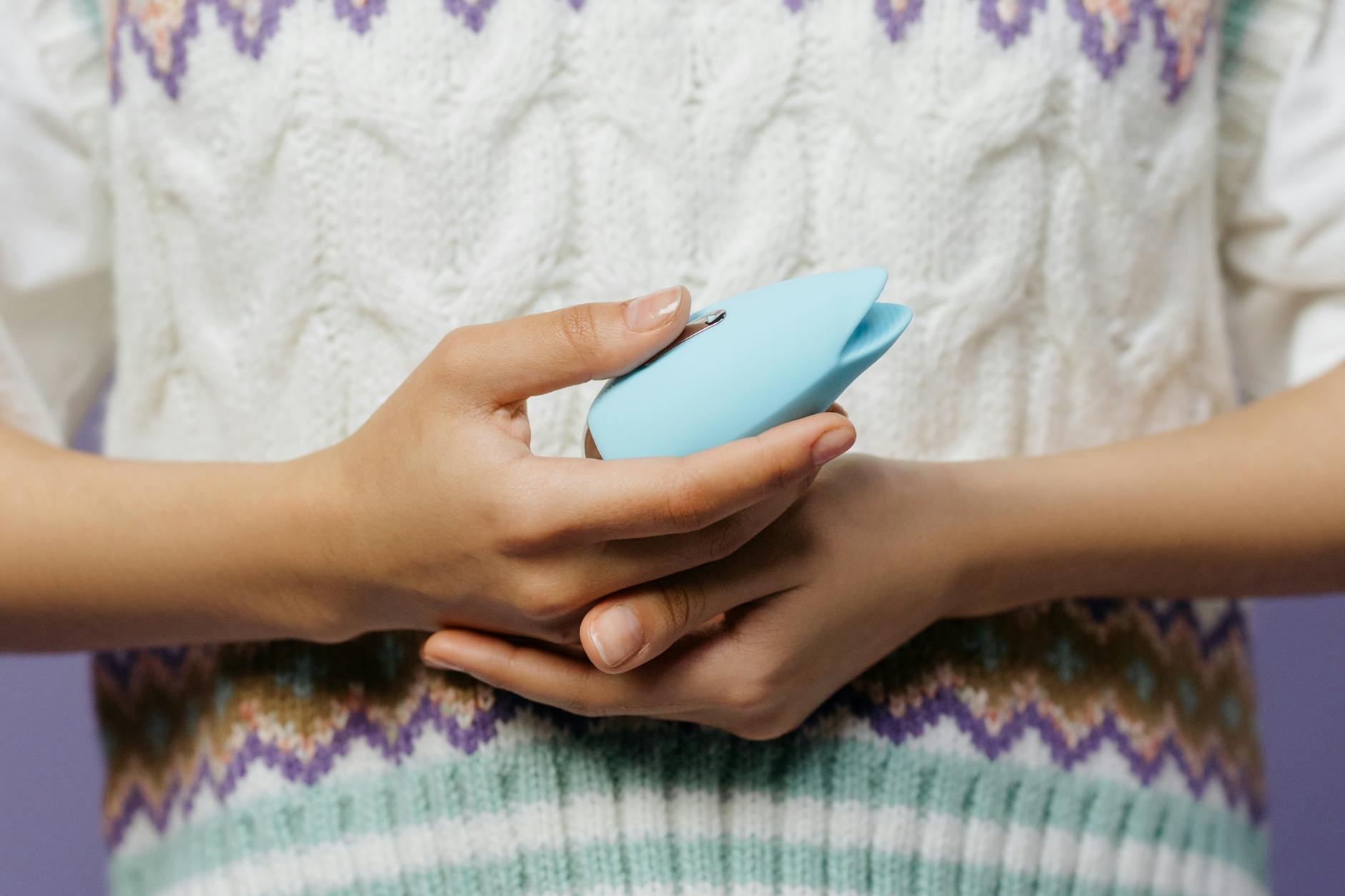
Here's what nobody tells you about antidepressants and sex
Your medication is working. Your mood is better, anxiety is lower, and you can get through the day. Then you realize arousal takes forever, orgasm feels distant, and sensation is just... muted. It's like someone turned down the volume on your entire nervous system.
This isn't a side effect you have to live with. And you definitely don't have to choose between mental health and pleasure.
Why SSRIs and other antidepressants numb sensation
SSRIs (selective serotonin reuptake inhibitors like sertraline, paroxetine, fluoxetine) work by keeping serotonin available in your brain longer. That's the mechanism that lifts mood. But serotonin also regulates arousal, genital blood flow, and orgasmic response. Higher serotonin availability can feel like lower sexual sensation in return.
Other antidepressants hit different pathways. SNRIs affect both serotonin and norepinephrine. Tricyclics and atypicals have their own quirks. The shared outcome: sexual side effects in 30 to 60 percent of people taking them, depending on the drug and dose.
The bad news: switching medications is not always the answer. The good news: sensation doesn't vanish. It's just dampened. And a tool like a lemon clitoral vibrator can amplify signal through that noise.
How a lemon vibrator works differently on dampened sensation
Traditional vibrators use vibration alone. That's fine for baseline arousal. But when medication has lowered your sensitivity threshold, vibration can feel thin or even irritating because you're chasing a feeling that's halfway buried.
A lemon vibrator works via suction and pulsing air stimulation. That mechanism is gentler initially but creates a broader field of sensation across the clitoris rather than a narrow point of friction. For people on antidepressants, this matters because.
Your nervous system is still there. It's just asking for different input.
Let me be direct: a lemon vibrator won't feel like a magic wand. But it will help you find sensation you thought was gone. The suction pattern mimics oral stimulation in a way that activates more nerve endings across a wider area. When those nerves are quiet, that distributed stimulus is often more effective than traditional vibration.
Starting with realistic expectations
If you've been on an SSRI for months, your body has adapted to the new baseline. Sensation won't roar back the moment you introduce a lemon clitoral vibrator. But here's what does happen: your threshold lowers. Pleasure becomes easier to access.
Budget time. Arousal on antidepressants takes 20 to 40 minutes instead of 5 to 10. That's not failure. That's just the new normal while you're taking medication that's keeping you alive and stable. A lemon vibrator shortens that gap by engaging sensation more directly.
Start with the lowest settings. Many people on SSRIs find that what feels subtle at first becomes more pronounced as arousal builds. The suction patterns on a lemon vibrator (patterns 1 through 3 on most devices) work well as a warm-up before moving to higher intensities.
The practical setup that works
Three things make the difference between frustration and success.
1. Lubrication is non-negotiable. Antidepressants often affect lubrication separately from arousal itself. Water-based lube isn't optional here. It's part of the tool. Use enough that you're not chasing dryness while trying to find sensation.
2. Timing matters. Some antidepressants are better tolerated at night. If you take your medication in the morning, afternoon pleasure sessions will hit the flattest part of the medication curve. Evening or next-morning sessions sometimes feel better because metabolism has done some work. This varies by medication, so track what works.
3. Patience during warm-up. Don't move to higher patterns until you've spent 10 to 15 minutes at lower intensities. The suction patterns work best when arousal has already started building. Rushing defeats the point.
When to talk to your doctor about medication timing
If sexual side effects are severe, your prescriber might suggest adjusting the dose, shifting the timing of when you take it, or adding a second medication that counteracts sexual side effects (like bupropion or buspirone). These are legitimate clinical options. Bring them up.
However. Most people don't need to change medication. They need a different approach to pleasure. That's where tools like a lemon vibrator come in. It's not a band-aid. It's a legitimate accommodation for how your nervous system is working right now.
If you're considering switching antidepressants solely for sexual function, talk that through with your doctor first. The mental health cost of changing stable medication is often higher than learning to work with sexual side effects.
Building arousal in longer timeframes
Antidepressants don't erase arousal. They extend it. That sounds like a loss, but it's actually an opportunity.
If you've always rushed, or if your partner has led the pace, medication that slows your arousal can be permission to finally explore what you actually want. A lemon vibrator in this context becomes not a solution to a problem but a way to rewrite the timeline.
Start earlier. Add a 20-minute solo session with the lemon clitoral vibrator before partnered sex. Not instead of partnered sex. Before it. That session primes your system. When your partner joins, you're already partway up the arousal curve instead of starting from zero.
If you're flying solo, this is less of a shift. You already have the time. Use it. The sensation numbness on SSRIs is real, but it's not permanent within a session. Arousal compounds. Fifteen minutes in, you might feel more than you did at five.
What happens as your body adapts
Your nervous system is resilient. After six to twelve months on a stable antidepressant dose, some people report that sexual sensation naturally creeps back up. Not all the way, but closer. A lemon vibrator that felt subtle month two might feel more pronounced month six.
This isn't magic. It's your brain chemistry reaching a new equilibrium. Some of the initial shock to the system wears off. Your body finds workarounds.
If you've gotten used to using a lemon vibrator during that adaptation period, you might find you need it less as time goes on. Or you might find you love it and keep using it anyway. Both are fine. Pleasure tools aren't scaffolding you dismantle. They're things you keep because they work.
A note on partnered sex and communication
If you're with a partner, the longer arousal timeline isn't just about you. It affects them too. Here's what I tell couples in my practice: the best conversations happen outside the bedroom.
Don't explain the lemon vibrator as a workaround for a problem. Explain it as what you want. "My body is responding differently to medication. I've found that this helps me get to pleasure faster. I want to try it. What do you think?" That's collaboration, not apology.
For partners who feel sidelined by the extended arousal window, a lemon vibrator can actually reconnect you. It's something you're both discovering. It's novel. And it often means less frustration on both sides because you're not pretending you're more aroused than you are.
Combining lemon vibrators with other strategies
A lemon clitoral vibrator works best alongside other practical moves. If you're also managing antidepressant side effects, try combining this tool with.
Mindfulness practice before sex. Not meditation app woo, but five minutes of noticing breath and body without trying to change arousal. When sensation is dampened, attention matters more.
Extended foreplay. Not as something your partner does to you, but as a phase you're both in. Longer kissing. More time on non-genital touch. The lemon vibrator enters later, not first.
Regular use. People on SSRIs often find that weekly or bi-weekly solo pleasure sessions maintain sensation baseline better than sporadic use. Your nervous system responds to consistency.
With these layers, a lemon vibrator becomes part of a system, not a rescue device.
The bigger picture
Antidepressants save lives. Sexual side effects are real but manageable. A lemon vibrator won't give you back the exact pleasure you had before medication. But it will give you pleasure that works with your current neurochemistry, not against it. And that's enough. That's actually everything.
People also ask
How long does it take for antidepressants to stop affecting sexual sensation?
It varies widely. Some people adjust within six to twelve months as their nervous system adapts to the new baseline. Others find that sexual side effects persist for as long as they take the medication. If you've been on an SSRI for six months and haven't seen improvement, a conversation with your prescriber might help. Timing adjustments or dose tweaks sometimes help, or adding a secondary medication to counteract sexual effects is an evidence-based option worth discussing.
Can you use a lemon vibrator while taking antidepressants?
Absolutely. There are no interactions between antidepressants and lemon clitoral vibrators or any silicone toy. The vibrator is a mechanical tool. The medication is working through your neurochemistry. They don't conflict. Using one will not change how your medication works in your body.
Do lemon vibrators work better than traditional vibrators when you're on SSRIs?
For many people on antidepressants, yes. The suction-based stimulation on a lemon clitoral vibrator engages a broader area of nerve endings than traditional vibration alone. That distributed sensation often works better when overall sensitivity is dampened. But personal preference still matters. If you've always preferred traditional vibration, you might still prefer it. The key is experimenting without judgment.
What's the difference between taking the antidepressant at night versus morning if it affects arousal?
The time of day you take an SSRI affects peak concentration in your bloodstream. Morning doses typically peak by afternoon. Evening doses often peak by next morning or later. If you take your medication in the morning, you might notice sexual side effects are strongest in early evening when concentration is highest. Shifting to evening dosing sometimes helps, but this is individual. Talk to your prescriber about what makes sense for your specific medication and your body.
Is it normal to lose interest in sex entirely on antidepressants?
Partially dampened arousal is common and manageable. Complete loss of interest is less common and worth discussing with your prescriber. It might signal that the dose is too high, the medication isn't the right fit, or something else is going on. Desire and arousal are separate systems. An SSRI might dampen arousal response without erasing desire. If both are gone, mention it. There are options, including dose adjustment or a different medication.
Can a lemon vibrator help if you've lost arousal interest completely?
Not directly. A tool can't manufacture desire if desire is genuinely absent. But a lemon vibrator can help restore physical sensation once some desire returns. If you're dealing with complete loss of interest, that's more of a clinical conversation. Your prescriber might explore medication timing, dose, or alternatives. Once some baseline desire is back, a lemon clitoral vibrator becomes useful again. You deserve pleasure, and that starts with working with your doctor.
Here's what actually works
Your medication is doing its job. Your pleasure deserves to do its job too. They're not in competition. A lemon vibrator isn't a band-aid for side effects. It's a tool that works with how your nervous system is operating right now. Start small, be patient with yourself, and know that what feels muted today might surprise you next week. You're not broken. You're just working with different wiring. And that's workable.
If you want to talk through how to navigate pleasure with any medication or health change, reach out.