
Let's start with what's actually different
You've probably noticed that lemon vibrators feel nothing like a traditional vibrator. That's not a design flaw. It's the entire point. A lemon clitoral vibrator uses gentle suction and pulsing pressure instead of oscillation, which changes everything about how your clitoris responds. If you've tried a standard vibrator and felt raw, overstimulated, or just underwhelmed, this distinction might explain why.
I work with clients all the time who abandoned vibrators because they hurt or numbed them out. Most of them had never encountered a suction-based tool before. Once they do, the shift is immediate. So let's talk about what makes lemon vibrators fundamentally different and why that matters for sensitive tissue.
The vibration problem with traditional toys
Traditional vibrators buzz. They oscillate at speeds ranging from 50 to over 200 times per second, and all that repetitive motion concentrates impact on a tiny surface area. That works fine for some people. For others, especially those with sensitive clitoral tissue, it creates a few problems.
First, the pressure is constant and direct. There's nowhere for that sensation to soften or spread. Your clitoris has thousands of nerve endings concentrated in a small space, and hammering them all at once can trigger pain instead of pleasure. It's like the difference between someone rubbing your shoulders and someone aggressively tapping the same spot over and over.
Second, traditional vibration can numb sensitivity over time. I've had clients report that after regular use, they needed increasingly intense vibration to feel anything at all. That's because constant oscillation fatigues the nerve receptors. It's not a weakness on your part. It's a basic neurology issue that affects a lot of people.
Third, the design doesn't account for tissue thickness. The clitoris changes texture depending on hormones, age, and arousal. A rigid vibrator doesn't adapt. It just keeps doing the same thing regardless.
Why suction works differently
A lemon vibrator creates gentle negative pressure, pulling soft tissue into the cup while pulsing. That's not a vibration pattern. It's a completely different stimulus. Here's why it matters for sensitive clits.
Suction distributes pressure across a broader area of tissue. Instead of intense oscillation on one point, you get a softer, rhythmic pull that engages more nerve endings in a less aggressive way. The sensation feels less like being tapped and more like a gentle massage with built-in rhythm.
The other key difference: you control the intensity by positioning and pressure. With a traditional vibrator, you can lower the setting, but the motion itself stays the same. With a lemon clitoral vibrator, you can create variations just by how firmly you hold it against your body or how you angle it. That gives you micro-adjustments that matter when you're working with sensitive tissue.
Suction also creates something called a "fluttering" sensation that traditional vibration simply cannot replicate. It's less overwhelming and somehow feels more natural. Many people describe it as closer to what manual stimulation feels like, just with added rhythm and consistency.
The science behind why sensitive tissue responds better
The clitoris has a structure that suction actually respects. The external part is mainly nerve endings and supportive tissue. When you use traditional vibration, you're trying to stimulate through direct buzz. When you use suction, you're creating gentle traction that brings blood flow into the tissue and engages the sensory receptors in a way that feels less like pressure and more like attention.
There's also a psychological component worth mentioning. People with sensitive clits often carry tension because they're bracing for pain or overstimulation. A lemon vibrator's gentler sensation can ease that tension, which paradoxically allows deeper pleasure. You're not fighting against the intensity. You're not waiting for it to hurt. You can actually relax into it.
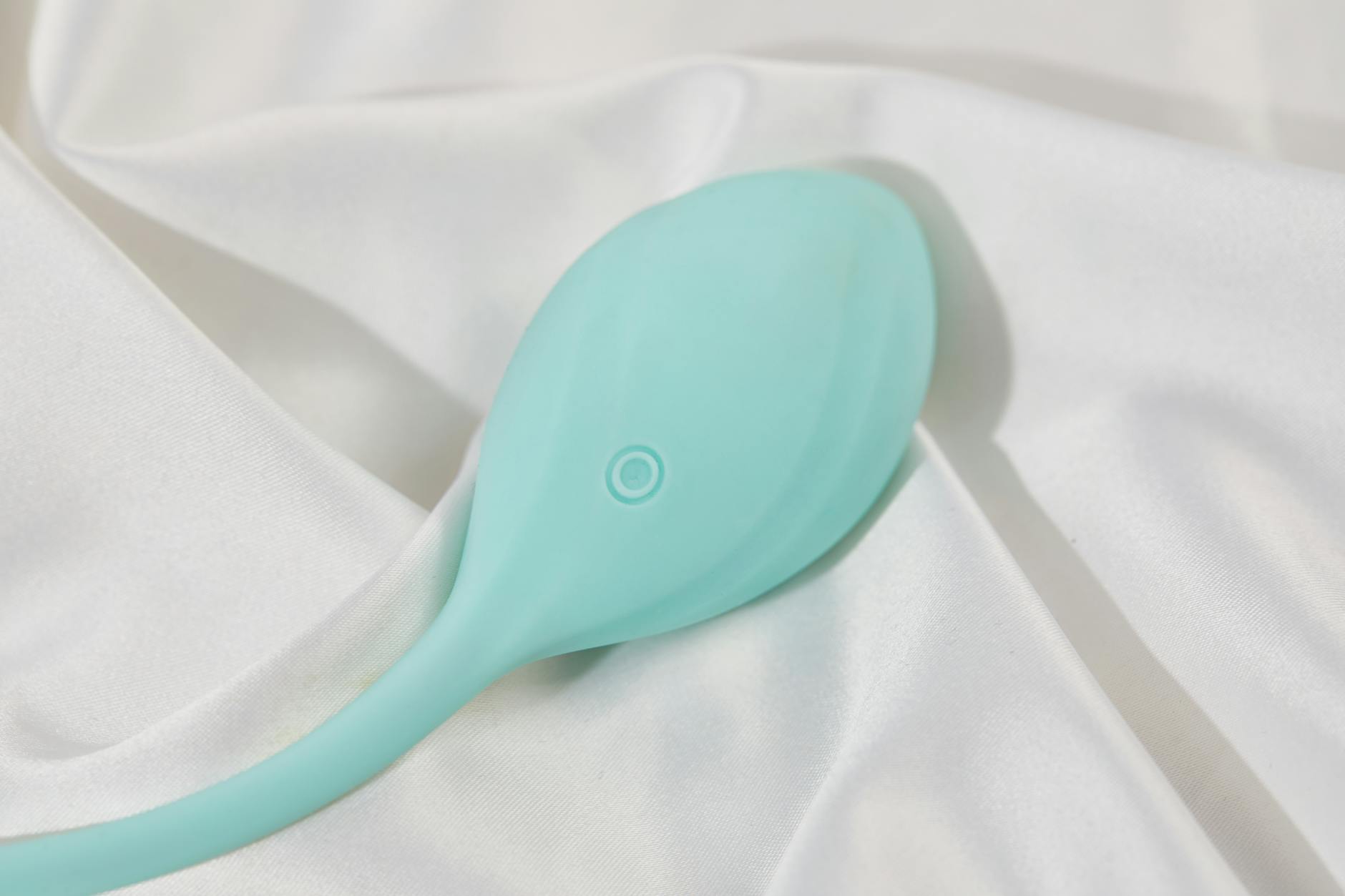
Photo by IFONNX Toys on Pexels
From a clinical perspective, the suction mechanism also avoids one issue that plagues traditional vibrators: accommodation. That's when your nervous system gets used to a stimulus and stops responding as intensely. Suction-based stimulation doesn't trigger the same accommodation response because the sensation isn't purely repetitive. The pulsing rhythm has variation built in, which keeps your nervous system engaged.
How to use a lemon vibrator when your clitoris is sensitive
If you're new to lemon vibrators, or if you've had bad experiences with traditional toys, here's what helps.
Start at the lowest setting. Seriously. The entry-level patterns on a lemon clitoral vibrator are already gentler than most vibrators at full power. You probably don't need more. Spend at least a week or two getting familiar with pattern 1 and 2 before you venture into the higher settings.
Warm up first. Sensitive tissue responds better when you've had time to build arousal. Spend 10-15 minutes on foreplay, partnered touch, or just breathing and mental connection before you introduce the toy. Your clitoris will be less reactive and more receptive.
Use light pressure initially. The whole point of suction is that it works without force. You're not pressing the lemon vibrator hard into your body. You're letting it rest gently against you and letting the suction do the work. Imagine you're just barely making contact. That's often all you need.
Expirament with positioning. Angle matters. Try approaching from the side of the clitoris instead of head-on. Try moving it slowly in small circles. Try letting it hover just off the surface so you feel the sensation without direct contact. These micro-adjustments can make the difference between pleasure and pain.
When sensitivity stems from medication or hormonal changes
If your clitoral sensitivity increased after starting hormonal birth control, antidepressants, or other medication, you're not alone. This happens to a lot of people and it's worth taking seriously. How lemon vibrators help when medication changes your sexual response covers this in depth, but the short version: suction is especially helpful because it doesn't add more chemical irritation the way some lubricants do, and it works without forcing intensity.
Similarly, if your sensitivity changed after hormonal shifts like menopause or after stopping hormonal birth control, the gentler nature of clitoral suction from a lemon vibrator often feels more comfortable than traditional vibration while your tissue is adjusting. The mechanism doesn't rely on aggressive oscillation, so you can still experience strong sensation without pain.
The comparison: lemon vibrators versus everything else
You might be wondering how a lemon vibrator stacks up against other toys designed for sensitive clits. How lemon vibrators compare to other clitoral toys has the full rundown, but here's the essentials.
Air-pulse devices like the lemon vibrator outperform bullet vibrators for sensitive tissue because of that distributed pressure I mentioned earlier. They also outperform wand vibrators when sensitivity is the issue, because wands are literally designed to deliver broad, powerful vibration. That's great for some people and overwhelming for others.
Against other suction toys, the lemon vibrator holds its own with design that's specifically engineered for comfort and ease of use. The patterns are intuitive. The positioning is ergonomic. You're not wrestling with a toy that's awkward or difficult to control.
Against manual stimulation, a lemon vibrator offers consistency and rhythm that hands can't replicate, plus the ability to relax deeper because you're not relying on a partner's hand position or pressure.
What to expect in your first week
Honestly, a lot of people feel weird about switching from traditional vibration to suction. It's a genuinely different sensation. Your first experience might be "that's odd" rather than "oh wow." That's completely normal. The nervous system takes time to recognize new pleasure pathways.
Give yourself at least three to five sessions before you decide whether it works for you. By day five or six, you'll have a sense of whether this is your thing. Many people find that after that adjustment period, they can't go back to traditional vibrators. The suction just feels better.
If you experience any pain, adjust the settings downward or reduce pressure. You should never feel raw or sore after using any toy, especially one designed for sensitive tissue. If discomfort persists, take a break and consider seeing a healthcare provider to rule out vulvodynia or other tissue conditions.
FAQ: Lemon vibrators and sensitive clits
Can I use a lemon vibrator if traditional vibrators hurt me?
Most likely yes. The suction mechanism is genuinely different from vibration, and many people who experience pain with traditional toys find lemon vibrators comfortable. That said, pain during sex can have other causes (infections, vulvodynia, hormonal issues) that aren't about the toy. If you've had persistent pain, it's worth checking with a healthcare provider before assuming it's just the tool.
How long does it take to adjust to a lemon vibrator if I'm used to traditional vibrators?
Most people adjust within three to five sessions. Your nervous system recognizes new sensation pretty quickly. Some people feel the difference immediately. Others need a little time to appreciate the gentler approach.
Is there a risk of the suction hurting my clitoris?
Not if you're using it correctly. The whole design principle is gentle suction, not aggressive pulling. Using it at the lowest settings and with light pressure eliminates risk. If you're cranking it to the highest intensity and pressing hard, you could cause irritation, but that's operator error, not a design flaw.
Can I use lubricant with a lemon vibrator?
Yes, and many people find it helps. Water-based lubricant reduces friction and can make the sensation feel even smoother. Apply it to the toy or your skin before use. Avoid silicone-based lubes with silicone toys, since they can degrade the material.
Do I need to warm up longer with a lemon vibrator than with a traditional toy?
You'll get better results with longer warm-up, but not because the toy demands it. Sensitive tissue just responds better when you're fully aroused. The suction mechanism works at any arousal level, but the pleasure deepens once you've had time to build sensation. Fifteen to twenty minutes of foreplay before introducing the toy is ideal.
What if I don't feel anything at first?
That's often a sign you're either using too much pressure or you need longer warm-up. Try reducing pressure and spending more time with arousal before introducing the toy. Also try different positioning and patterns. The sensation builds gradually for a lot of people. If after a week of consistent use you still feel nothing, your body might just respond better to a different type of stimulation, and that's okay too.
The bottom line
A lemon clitoral vibrator isn't just a different toy. It's a fundamentally different approach to clitoral stimulation. For anyone dealing with sensitivity, overstimulation, or just a lukewarm response to traditional vibrators, it's worth trying. The mechanism respects tissue, the sensation is gentler, and the control is in your hands. Your clitoris deserves attention that doesn't come with pain or numbness. That's exactly what a lemon vibrator delivers.
If you're curious but uncertain, start with the lowest setting and give yourself permission to explore at your own pace. Your body will tell you what works.