
Let's talk about why your clitoris might be rejecting vibrators you thought you'd like.
You bought a vibrator everyone swears by. You tried it. And somewhere between "this should feel amazing" and "why does this feel like being sandpapered," you realized the problem wasn't you. It was the technology.
Turns out, not all stimulation is created equal. The clitoris has about 8,000 nerve endings packed into a tiny space, and some delivery methods work with your anatomy better than others. That's where lemon vibrators enter the picture.
The difference between vibration and suction
Most vibrators work one way: they oscillate side to side, up and down, or in circles. Direct contact. Friction. For some people and some bodies, that's perfect. For others, especially people with sensitive clitoral tissue, it can feel overwhelming, almost numbing.
Lemon vibrators, like the Lem, use a completely different mechanism. Instead of vibrating against your clitoris, they use gentle air-pulse technology. Think of it less like a back massager and more like a soft suction that pulses. The suction cups the clitoral area without rubbing it.
Here's the key difference: vibration creates friction. Air-pulsing creates pressure waves. One is mechanical. The other is almost fluid. Your nerve endings experience them differently.
Why sensitive tissue responds better to suction
The clitoris gets sensitive for multiple reasons. Sometimes it's hormonal. Sometimes it's because you've been using the same intense vibrator for years and your nerve response has adapted (a real phenomenon called sensitization). Sometimes you're just built that way.
When tissue is sensitive, friction can feel like pain, numbness, or that particular kind of overstimulation where your brain shuts down instead of lighting up. Suction works differently. Instead of bombarding nerve endings with mechanical vibration, it creates a rhythmic pressure wave that builds sensation gradually.
Many people who've abandoned vibrators because they hurt or numb out report that air-suction clitoral vibrators feel almost gentle by comparison. Not less intense. Gentle in a completely different way.
The science of what's actually happening
When you use a traditional vibrator, the tissue beneath the vibrating head is moving rapidly back and forth. Your clitoris is partially numb anyway (it desensitizes when it's touched), so the vibration has to work harder to create sensation. Add friction, and you're asking a lot of already-stressed tissue.
Air-suction works on the principle of rhythmic pressure. The tissue isn't moving. Instead, the soft suction is drawing blood into the area and releasing in pulses. This creates a pressure wave that travels through the tissue and stimulates nerve endings deeper in the structure, not just the surface.
The result? Sensation builds differently. Many people with sensitive clitorises report that orgasms from air-suction tools feel different from vibration. Not better or worse. Different. Some describe them as more full-bodied, less localized.
Who should switch to air-suction technology
Not everyone needs a lemon vibrator. If your current vibrator is working, keep using it. But consider switching if:
You experience numbness. If you finish using a vibrator and your clitoris feels numb for minutes afterward, that's your body telling you the stimulation was too intense or too direct.
Orgasms feel incomplete. You're finishing, but something feels like it's missing. Organ without the full-body experience you remember having.
Friction hurts. If traditional vibrators create pain, micro-tears, or irritation, suction removes the friction problem entirely.
You're post-menopause. Lower estrogen means thinner clitoral tissue. Air-suction is gentler on delicate tissue while delivering powerful sensation.
You've used the same vibrator for years. Nerves adapt. If a toy that once felt amazing now feels dull, switching technology can reset your response.
How to use lemon vibrators if you're switching from traditional vibration
The learning curve is real, but short. Here's what I tell clients:
Start with the lowest setting. Air-suction feels different enough that what felt like setting 2 on a traditional vibrator might feel like setting 5 here. Work up slowly.
Position matters more. Traditional vibrators work almost anywhere on the clitoris. Suction is more precise. You'll find a specific angle and pressure that works. Spend time exploring.
Lubrication helps. A light coating of water-based lubricant creates a better seal and smoother sensation. Not because you're dry, but because the seal itself affects how suction feels.
Give it five sessions minimum. Your nerve endings need time to adjust to a different input. If you hate it after one try, you're not done experimenting.
Breathing matters. With suction tools, relaxation changes everything. Shallow breathing keeps you tense. Deep breaths let sensation build. This is true of all pleasure, but it's especially noticeable with air-suction.
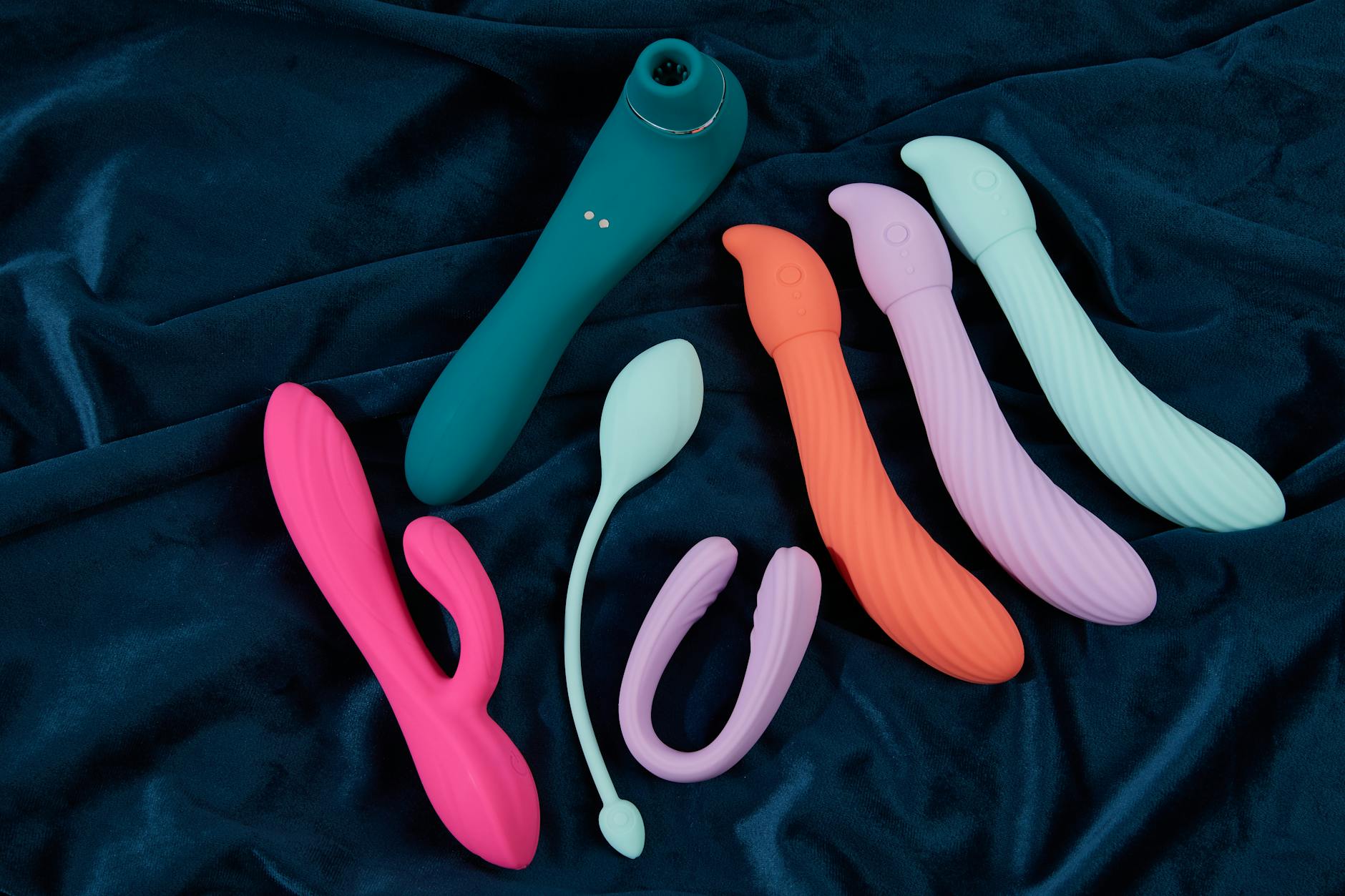
Photo by IFONNX Toys on Pexels
The barrier: why people stick with traditional vibration
Honestly? Inertia. You know how to use a traditional vibrator. It works. The idea of learning a new tool feels like extra friction (pun intended).
But there's also the sensory piece. If your clitoris has adapted to vibration and gone somewhat numb, you might think you just don't respond well to any vibrator. You might think pleasure is supposed to feel like endurance rather than sensation. That's not true.
Many people who switch to lemon vibrators for the first time report that orgasms feel more present. Not because the tool is "better." Because it matches their actual tissue sensitivity rather than fighting against it.
When to stick with your current vibrator
If you're having consistent orgasms without pain or numbness, your current setup is working. Don't switch just because air-suction is trendy.
But if you've been feeling like vibrators are overstimulating, or you've noticed your pleasure declining even though your relationship is solid, sensitivity might be the problem. And sensitivity is completely fixable with the right tool.
Maintenance and care for air-suction vibrators
Suction-based tools need slightly different care than traditional vibrators. The suction cup area is where bacteria can hide if it's not dried thoroughly.
Always wash with warm soapy water after use, and make sure you dry the suction cup completely. You can use a soft cloth or leave it sitting open to air dry. Store it somewhere clean and dry. If you notice the suction weakening over time, it's usually because the seal has become compromised. Some brands offer replacement cups. Check your specific tool's care guide.
FAQ
Can you use lemon vibrators if you have a latex allergy?
Most modern lemon vibrators use silicone, not latex. But always check the materials before buying. If you have a silicone sensitivity (rare, but real), that would be a problem. If you have latex allergy, you're fine with silicone-based air-suction tools.
Do air-suction vibrators work for internal stimulation?
Not really. Most are designed for external clitoral use. Some people use them in combination with internal toys, but the suction technology is optimized for the external clitoris. If you want internal stimulation, you'd use a different toy alongside.
Will switching to air-suction make traditional vibrators feel bad forever?
No. Your nerve endings are adaptable. If you go back to traditional vibration, it'll feel normal again. Some people rotate between tools depending on mood. Others find one that works and stick with it. There's no commitment.
How long does it take to orgasm with a lemon vibrator?
Varies wildly by person. Some people orgasm in two minutes. Others take ten. It's not faster or slower than other tools, just different. Time shouldn't be the goal anyway. Sensation should.
Are lemon vibrators worth the price?
If you've been struggling with sensitivity, yes. Most air-suction tools cost between $60 and $100. If traditional vibrators have stopped working for you, that's a worthwhile investment. If you're curious but your current tool works fine, no pressure.
Can partners use air-suction vibrators during partnered sex?
Some designs, yes. Others are strictly solo tools. Check the dimensions and design before assuming you can both enjoy it together. Some couples use them as foreplay. Some use them during partnered sex as an addition to what they're already doing. It depends on the specific tool and what you both want.
The bottom line
Your clitoris is sensitive for a reason. It's packed with nerve endings that are trying to communicate. If traditional vibration stopped working or started hurting, that's data, not failure.
Lemon vibrators exist because some people's bodies respond better to suction than vibration. It's not about one technology being objectively better. It's about matching the tool to your actual tissue sensitivity and nerve response.
If you're curious, try one. If you hate it, go back to what works. Your pleasure doesn't owe anything to anyone else's technology preference. What matters is that you feel good.