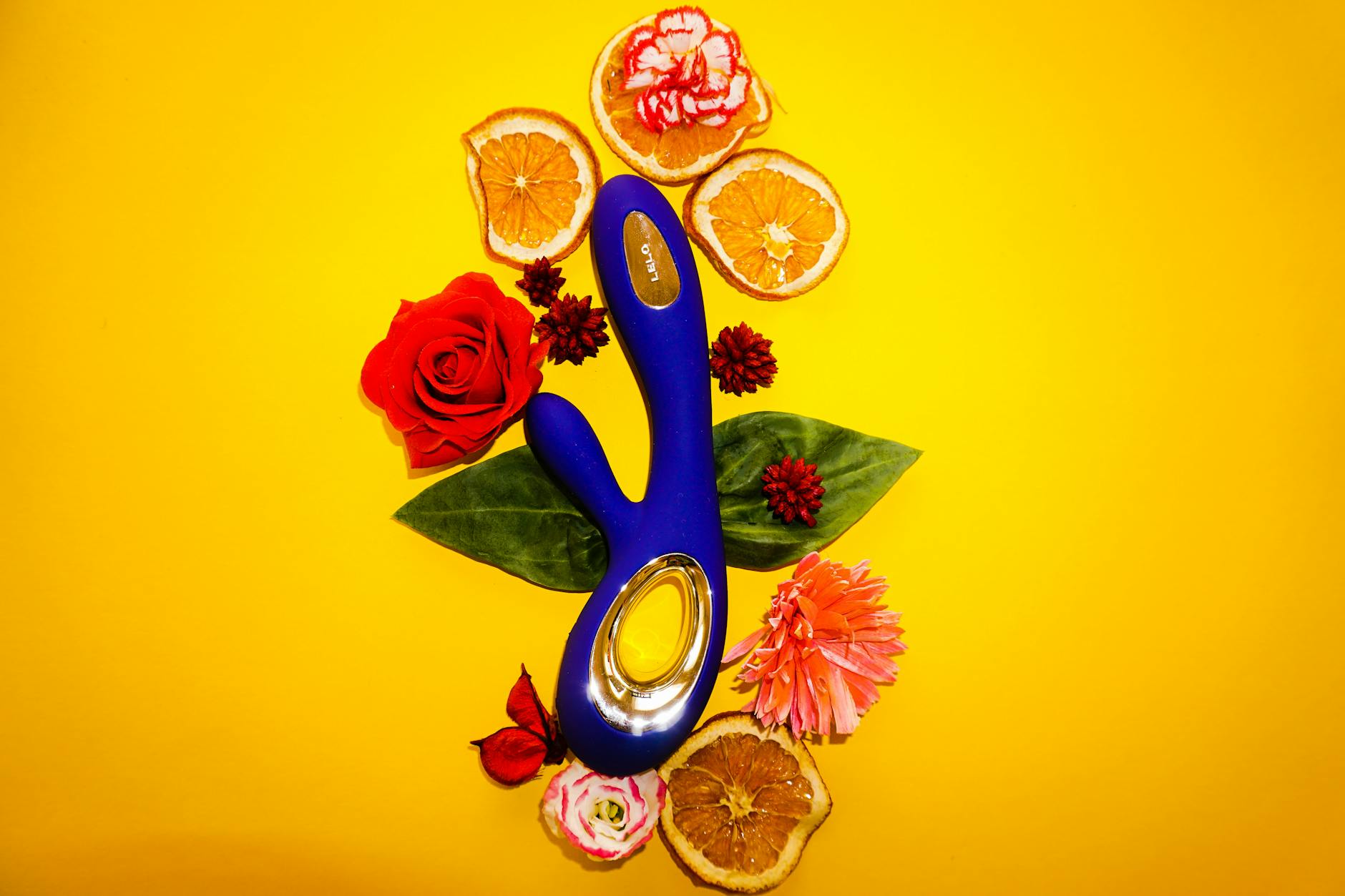
Here's what changes after 30 (and nobody warns you)
Your clitoris doesn't age the way greeting cards suggest. It doesn't retire or lose interest. But the tissue does shift. After 30, blood flow patterns change slightly, nerve sensitivity can become more concentrated rather than diffuse, and the clitoral hood thickens marginally. Direct friction that felt incredible at 25 can start to feel either too intense or not quite hitting the mark by 35.
Traditional vibrators rely on rapid oscillation. They work by shaking. Suction-based stimulation like lemon clitoral vibrators work differently. They create a gentle pulse and release pattern that mimics oral sex without the fatigue factor. For bodies over 30, this shift in mechanism often translates to better orgasms, faster arousal, and less post-session sensitivity.
I've worked with hundreds of people navigating this transition, and the pattern is consistent: they assume their pleasure is fading when really, their tool just doesn't match their body anymore.
The neuroscience behind why suction changes everything
Your clitoris has roughly 8,000 nerve endings, most concentrated in the glans. After 30, the density doesn't change, but how those nerves respond to sustained stimulation does. Repetitive vibration can cause temporary numbing or desensitization faster than it did in your 20s. It's not weakness. It's a physiological shift in how rapidly your nerve fibers habituate to continuous input.
Suction works on a different principle entirely. Instead of asking nerves to respond to constant vibration, suction creates a rhythmic expansion and contraction. This pattern is closer to the stimulation pattern that occurs during oral sex. Your brain recognizes it as a familiar sensation, which triggers a faster arousal response and deeper pleasure pathways. Because the stimulation cycles on and off rather than staying constant, your nerve endings don't habituate as quickly.
Research on clitoral sensitivity shows that varied stimulus patterns produce stronger orgasmic response than monotone vibration. Lemon suction vibrators deliver that variety inherently. The pulse isn't one steady buzz. It's a wave.
Why traditional vibrators plateau around your early thirties
Most standard vibrators work by generating a consistent frequency, usually between 60 and 200 Hz. That consistency is their weakness, especially over time. In your 20s, when nerve sensitivity is at peak responsiveness, the constant input feels novel and effective. By 30 and beyond, your nervous system has encountered enough repetition that it requires either novelty or intensity to stay engaged.
Increasing intensity is one path. That's why people often buy stronger vibrators every few years. But stronger isn't smarter. It's just louder.
Suction vibrators like the Lemon approach the problem differently. They don't need to get stronger because they engage a different neurological pathway. A lemon clitoral vibrator at pattern 2 or 3 can feel more satisfying than a traditional vibrator at its highest setting because the suction mechanism recruits more nerve fibers and does so in a pattern your brain hasn't fully habituated to.
The tissue sensitivity factor after 30
Collagen production drops slightly after 30. That affects skin elasticity everywhere, including your vulva. The tissue over and around your clitoris becomes marginally thinner and more delicate. This isn't dramatic. It's not menopause-level change. But it's real.
Thinner tissue means direct vibration can feel sharper or less pleasant over longer sessions. Suction distributes pressure more evenly across the clitoral complex, not just the glans. It's gentler in the way it engages, which means you can enjoy longer sessions without that razor-edge feeling that sometimes accompanies extended vibration use.
People often attribute this discomfort to lower arousal or reduced pleasure capacity. Usually it's just that the tool doesn't fit the tissue anymore.
Comparison: what happens with suction versus vibration
Traditional vibrators deliver stimulation the same way a tuning fork works. High-frequency, consistent oscillation.
Lemon suction vibrators work more like a drumbeat. Pressure builds, peaks, and releases. Your nervous system has to actively engage with the changing stimulus rather than tune it out.
Here's the practical difference at age 35 versus 25:
At 25, you might reach orgasm in 3-5 minutes with either tool. The traditional vibrator works because novelty is still your baseline.
At 35, the traditional vibrator takes 12-18 minutes, and the sensation plateaus halfway through. A lemon clitoral vibrator with suction technology gets you there in 6-8 minutes, and the sensation builds rather than flattens.
That's not placebo. That's physiology meeting better engineering.
When to make the switch from vibration to suction
You don't have to wait for orgasms to stop being satisfying. Three signs it's worth experimenting with suction:
- You've increased the vibration intensity three times in the last five years and still feel like something's missing.
- Extended vibration sessions leave your clitoris feeling oversensitive or numb afterward.
- You find yourself reaching for penetration or partnered touch more often because solo vibration feels incomplete.
Any of those patterns suggests your nervous system is asking for novelty, not just force. Suction provides that.
Making the switch is low-risk. Start with pattern 1. Spend 30 seconds on each setting before moving up. Most people find their sweet spot between patterns 2 and 4. The adjustment period is usually about three sessions. After that, you'll likely wonder why you stuck with traditional vibration for so long.
One thing worth noting: if you've been using a traditional vibrator for years, suction can feel strange initially. That's not a sign it's wrong. That's your nervous system recognizing something new. Give it time.
Why tissue changes matter more than you think
After 30, your clitoris receives slightly less blood flow than it did at 20. That's not a decline into dysfunction. It's a minor shift that means arousal takes marginally longer to build and sustained sensation requires a bit more engagement.
Traditional vibration doesn't account for this. It just buzzes. Suction engages the tissue in a way that helps blood flow distribute more effectively across the clitoral complex. You're not forcing arousal. You're working with your body's actual capacity rather than against it.
When people report that their pleasure capacity is fading after 30, what's usually actually fading is the match between their body and their tool. Switch the tool, and suddenly pleasure capacity looks fine.
Making the shift without abandonment
You don't have to throw away your traditional vibrators. But if you're over 30 and haven't tried suction, the difference is worth experiencing firsthand. A lemon vibrator or similar suction-based tool offers enough novelty and sensation variety that most people find their orgasmic response actually improves, not stays the same.
The best time to experiment is when you're already aroused and relaxed. Not when you're frustrated that your current tool isn't working. Desperation makes fair comparison impossible.
If you're in a relationship, this shift can also be a moment to restart that conversation with your partner. New tool, renewed attention to your own pleasure, and a chance to rebuild that part of intimacy. Many couples find that when someone switches to a lemon suction vibrator or similar tool, the whole dynamic gets more playful.
As you navigate your 30s and beyond, your body is still absolutely capable of profound pleasure. The mechanism that gets you there just needs to evolve. Suction-based technology like lemon clitoral vibrators is that evolution.
FAQ: Suction vibrators, traditional vibrators, and what changes after 30
Do you lose the ability to have orgasms after 30?
Absolutely not. Orgasms don't expire on your thirtieth birthday. What changes is the stimulus pattern that's most effective. At 20, novelty alone triggers response. By 35, your nervous system needs a bit more variation or engagement to reach the same peak. That's not loss of capacity. That's maturation of your nervous system. The right tool makes the difference.
Why does suction feel better than vibration as you get older?
Suction engages your nervous system through a rhythmic pulse pattern rather than constant oscillation. That rhythm mimics oral stimulation, which your brain recognizes as a familiar pleasure pathway. Additionally, because suction cycles on and off, your nerve endings don't habituate (tune out) as quickly as they do with monotone vibration. The result is stronger arousal response and more sustained pleasure at lower intensities.
Can I use a traditional vibrator after 30, or do I have to switch?
You can absolutely continue using traditional vibrators. But many people find they need to increase intensity or session length to get the same result. If that's happening to you, it's worth trying suction technology like a lemon vibrator to see if it restores that earlier sense of ease. Some people prefer one, some prefer the other, and some enjoy both depending on mood.
Is nerve sensitivity really different after 30?
Yes. After 30, your nervous system habituates to repetitive stimulus faster than it did in your 20s. This is normal and happens throughout your body, not just your clitoris. It's why the same song played on repeat stops feeling as exciting after a few weeks. Your nervous system requires novelty or variation to stay engaged. Suction vibrators provide that novelty in a way traditional vibrators don't.
What's the learning curve for switching from vibration to suction?
Most people need three to five sessions to find their rhythm with suction technology. The sensation is different enough that your first impression might be "interesting but not quite right." By session three, most people have found their preferred pattern and speed. If you're coming from years of traditional vibration, that adjustment period is normal and doesn't mean the tool is wrong for you.
Does tissue thinning after 30 mean I'll need a gentler vibrator?
Not necessarily gentler, but different. Suction-based vibrators like lemon clitoral vibrators distribute pressure across a wider area of tissue rather than concentrating it on the glans alone. This means you can enjoy the same intensity with less localized pressure. That's why many people report that suction feels better as their tissue changes. You're not giving up sensation. You're getting it distributed more comfortably.
The bottom line
Your body at 30 isn't a diminished version of your body at 25. It's a different instrument that requires a different approach. If traditional vibration isn't delivering like it used to, that's not a sign your pleasure is fading. It's a signal that your tool needs to evolve with you.
Lemon suction vibrators and similar technology offer exactly that evolution. Better engagement with your nervous system, more sustainable sensation, and the kind of arousal response that feels earned rather than forced. If you haven't tried suction yet, this is your cue.
Your pleasure matters. Make sure your tools do too. Questions about what might work best for your body or situation? Get in touch with our team.