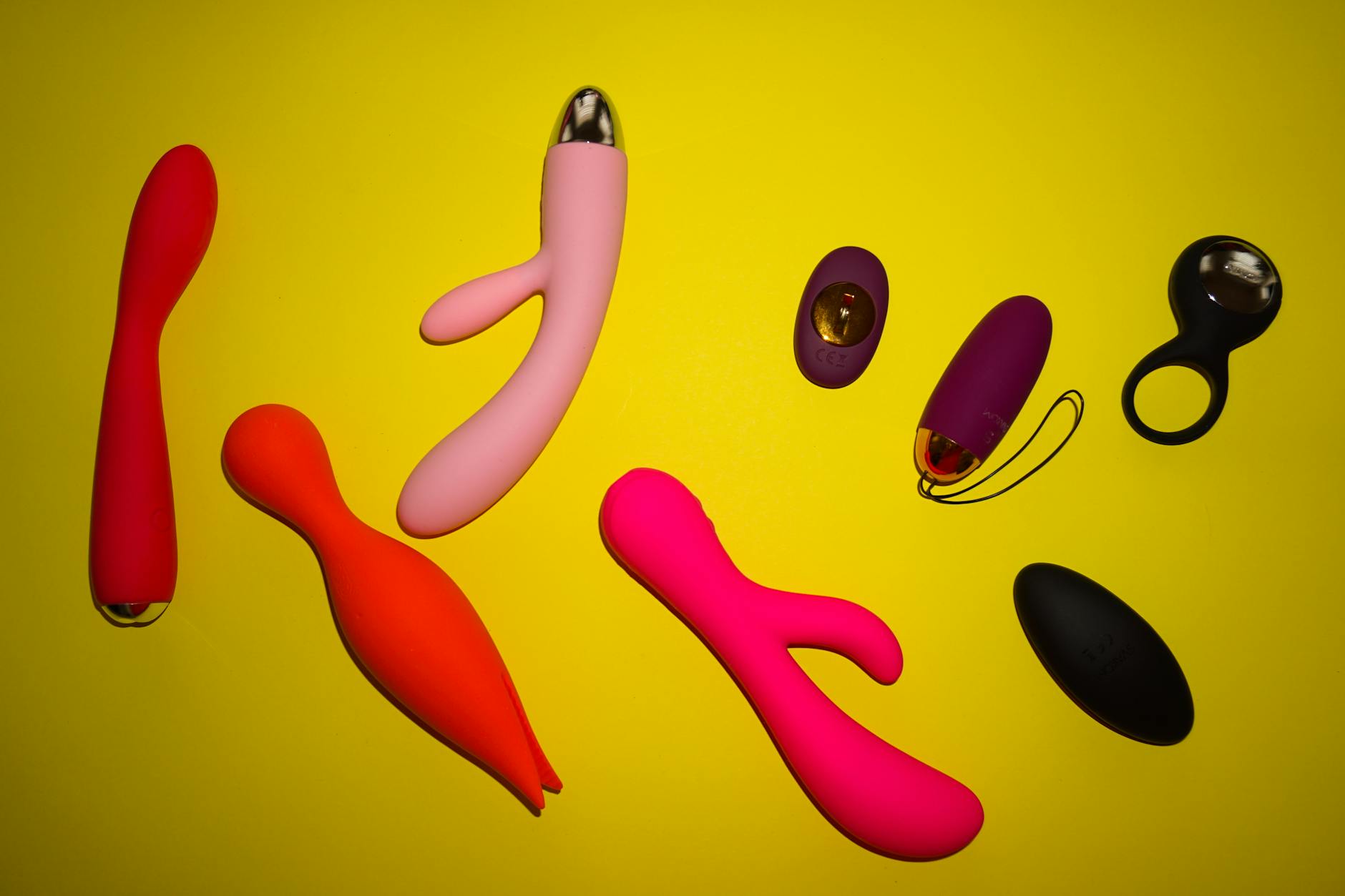
Let's talk about what antidepressants actually do to your body
SSRIs (selective serotonin reuptake inhibitors) are effective at what they're designed to do. They also quietly reshape your sexual response in ways nobody properly explains during your first appointment. The brain fog, the nausea, the mood stabilization—all expected. What's often left out is that about 40 to 60 percent of people taking SSRIs experience some form of sexual side effect. That's not rare. That's half of everyone you know who's on medication.
What changes, though, is often misunderstood. It's not that you can't feel pleasure. It's that the pathway to it has shifted. Your nervous system is being held in a different baseline state, and sensation arrives differently.
How SSRIs reshape arousal and sensation
Serotonin is involved in everything. It regulates mood, yes, but also blood flow, lubrication, orgasm intensity, and how quickly arousal builds. When SSRIs increase serotonin availability, your arousal response softens. The rush you might have felt before—that quickening, the flood of sensation—often flattens into something more gradual, more muted.
Your clitoris doesn't stop working. The nerve pathways are intact. But the signal traveling through them moves differently. It's less like a lightning strike and more like a steady current. Traditional vibrators rely on rhythm and intensity to trigger that cascade response. When your baseline arousal is lower, that rhythm needs to work harder to reach you.
This is where suction vibrators like the Hello Nancy Lemon change the equation entirely. They don't rely solely on vibration frequency. They work through sustained pressure and rhythmic suction, which stimulates the entire clitoral complex, not just the external glans. For medicated bodies, that sustained approach often works better than rapid buzzing.
Why suction vibrators work differently on medicated bodies
Think of the difference between tapping on a door and holding steady pressure against it. Traditional vibrators tap. Suction vibrators hold and release in patterns.
When you're on SSRIs, your body needs more consistent input to register arousal. The nervous system has been recalibrated, and it's asking for a signal that builds rather than jolts. Suction delivers exactly that. It creates a pressure gradient that stimulates all the erectile tissue around the clitoris, not just the tip. This broader stimulation path often bypasses the flattened response that SSRIs create.
Many people I work with report that they struggled with orgasm on vibrators before switching to a lemon clitoral vibrator or similar suction device. The difference isn't psychological. It's neurological. The suction patterns give your medicated nervous system something to work with.
The timing shift you need to know about
SSRIs don't just change sensation. They change timing. What took five minutes might now take twenty. Some people find it takes much longer to reach orgasm, or the intensity plateaus before they get there.
This isn't a flaw in your body. It's a trade-off you've likely made deliberately, weighing the mental health benefits against the sexual side effects. The adjustment, though, means rethinking your approach.
Start with longer foreplay. Budget 15 to 25 minutes minimum before introducing a vibrator. Let your arousal build naturally first. Then introduce the lemon vibrator at a lower pattern setting. Start at level 1 or 2 and work upward, giving your body time to respond. The suction patterns often feel more intuitive than traditional vibration frequencies, but patience still matters.
Lubrication and medication interactions
SSRIs can reduce natural lubrication as a side effect. This is separate from the arousal flattening and worth addressing directly. Use water-based lubricant generously. It's not a sign of dysfunction. It's a practical accommodation for how your body is responding to the medication.
Apply lube before starting and reapply as needed. With a lemon clitoral vibrator, proper lubrication helps the suction seal work more effectively and prevents any discomfort from friction.
What else actually helps
Three things I consistently recommend to clients on SSRIs who want to reclaim pleasure:
1. Communication with your prescriber. If sexual side effects are severe enough to affect your quality of life, that's worth raising. Some people benefit from dose adjustments, timing changes (taking the medication at a different time of day), or switching to a different SSRI. Not everyone needs to accept this trade-off indefinitely. There are conversations to be had.
2. Mindfulness without the spirituality. You don't need to meditate or find your chakras. What helps is noticing sensation without judgment. SSRIs flatten arousal partly because the brain isn't registering subtle signals as intensely. Slowing down and tuning in to what you do feel often helps. That means putting the phone away, not rushing, and actually noticing texture, temperature, and pressure changes.
3. Exploration without pressure. This is the actual useful part. When pleasure has felt elusive, people often push harder for results, which creates more tension and makes everything worse. Instead, treat your vibrator as a tool for learning what your medicated body responds to. Some people find they prefer longer, slower patterns. Others discover that combining clitoral stimulation with other sensations makes a difference. The lemon vibrator gives you adjustable patterns to work with.
The partner dimension
If you're with someone, this becomes a relational conversation, not just a personal one. SSRIs can affect desire, arousal, and orgasm in ways that feel disconnecting. Partners sometimes interpret this as lack of interest, which creates shame and withdrawal.
The most helpful framing I've found is this: "My medication changed my response. That doesn't mean I'm less interested in you or less capable of pleasure. It means we're exploring together what works now." Many couples find this becomes an opportunity to deepen intimacy through slower, more attentive connection rather than assuming faster or more intense is better.
When to reach out for support
If sexual side effects are making you consider stopping your antidepressant without medical guidance, pause. That's worth discussing with your prescriber. If you're experiencing pain or numbness in addition to reduced sensation, mention that specifically. Some SSRI side effects respond well to targeted interventions like short-term dose adjustments or switching to a medication with a lower sexual side effect profile.
If pleasure has become something you've written off entirely, consider talking with a sex-positive therapist. They can help you distinguish between what's medication-related and what's psychological, and support you in rebuilding a practice of pleasure that works for your current reality.
Your antidepressant is doing something important for your mental health. So is reclaiming your sexuality. Those two things don't have to be in opposition. It often takes patience, better tools, and sometimes a different approach. The lemon clitoral vibrator and suction-based stimulation offer a concrete alternative to traditional vibration for many medicated bodies. The rest is about giving yourself permission to explore without rushing.
People Also Ask
Can you have an orgasm while taking SSRIs?
Yes. About 40 to 60 percent of people experience some change in sexual function on SSRIs, but that's not the same as losing the ability to orgasm. Many people still reach orgasm, though it might take longer or feel less intense. Others find that certain types of stimulation work better than others. For many, switching to suction-based vibrators like lemon clitoral vibrators makes a significant difference in ease and intensity.
Do different antidepressants have different sexual side effects?
Yes, they do. Some SSRIs are associated with higher rates of sexual side effects than others. Bupropion (Wellbutrin), for example, is often prescribed because it's less likely to affect sexual function. If you're struggling significantly, it's worth asking your prescriber whether a different medication might work better for you. Never stop or change your medication without medical guidance.
Why does suction feel different than vibration when you're on antidepressants?
Traditional vibrators stimulate through rapid frequency. Suction vibrators stimulate through sustained pressure and rhythmic release, engaging more of the clitoral complex. For bodies experiencing flattened arousal from SSRIs, that sustained pressure often registers more clearly than rapid vibration. It's not that suction is inherently better, but it can work better for the specific way antidepressants change sensation.
How long does it take to adjust to sexual side effects?
It varies widely. Some people adjust within weeks. Others experience persistent changes. The good news is that you don't have to accept reduced pleasure as inevitable. Working with your prescriber, trying different stimulation approaches, and using tools like lemon vibrators often helps significantly. Many people find that what didn't work in month one works well by month three, once they've stopped fighting the changes and started working with them.
Can lubricant help with SSRI-related dryness?
Absolutely. Water-based lubricant is one of the simplest, most effective accommodations. It addresses the physical dryness that SSRIs can cause and makes vibrator use more comfortable. Reapply as needed and don't hesitate to use generously. This is standard practice, not a workaround.
Should I talk to my partner about sexual side effects from my antidepressant?
If you're in a partnered relationship and experiencing sexual changes, yes. It matters for emotional connection and for preventing misunderstanding. You don't need to hand them a medical explanation. Simple honesty works: "My medication changed how I experience arousal. I'm exploring what works, and I want to figure this out together." Most partners appreciate clarity and want to help. If your partner responds poorly to honest conversation about your body and needs, that's information too.
Final thought
Antidepressants can change your sexual response. That's real and worth acknowledging. What's also real is that you have more options than you might think. Better tools exist. Different approaches exist. Conversations with your prescriber about timing, dosage, or alternative medications exist. You don't have to choose between mental health and pleasure. You get to have both.