The gap between wanting and feeling
Here's the thing that nobody warns you about: you can want sex and feel nothing at the same time. Not the absence of desire. Desire is there. But the nerve endings? The physical spark? Gone.
I see this most in long-term couples where emotional distance has crept in over years. One partner initiates. Both want to reconnect. But the body doesn't cooperate. What should feel good feels muted, distant, like touching through thick glass. And that mismatch between wanting and feeling creates its own kind of loneliness inside intimacy.
This isn't a libido problem. This isn't a relationship problem, technically. It's a sensory disconnection problem. And it's fixable.
What actually happens when emotional distance affects physical sensation
The brain runs the show in pleasure. Not the genitals. When emotional intimacy breaks down, the brain's arousal circuits go quiet. Cortisol (the stress hormone) floods the system. The vagus nerve, which carries sensation signals to and from the brain, becomes underactive. Over time, your body learns to tune out stimulation because the context feels unsafe or disconnected.
That's not weakness or dysfunction. That's your nervous system doing its job.
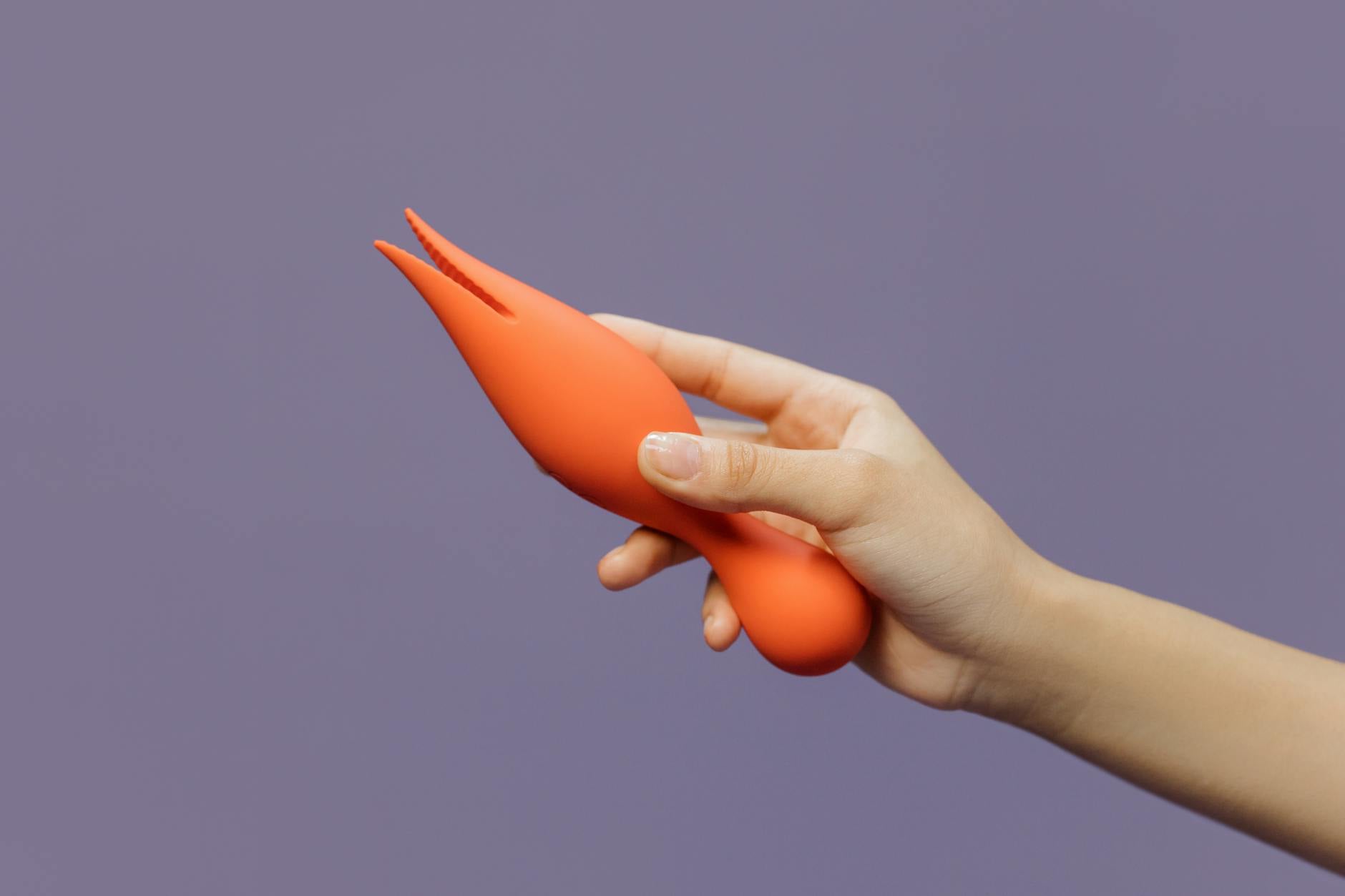
But here's the catch: you can rewire it. Not by forcing feeling back through willpower or more frequent sex. By retraining your nervous system to register sensation in a new way, with a partner who's genuinely present. That's where clitoral vibrators, specifically air-suction devices like the lemon vibrators from Hello Nancy, become so valuable. They create sensation that's impossible to ignore.
Why lemon vibrators interrupt numbness differently
Traditional vibrators buzz. Air-suction toys like the Lem stimulate through gentle rhythmic suction. That's neurologically significant. Suction creates a broader, more complex sensory pattern than a single vibration frequency. Your brain has to register it. You can't tune it out the way you might with a standard toy.
When numbness is partly psychological (a protective mechanism from emotional distance), a new sensation pathway can help bypass old patterns. It's not magic. It's neuroscience. The novelty forces your nervous system to pay attention. And when the brain pays attention, the body follows.
The stages of sensation reconnection
Stage one: Noticing. You feel something unfamiliar. Not pleasure yet. Just: "Oh, I actually feel that." This alone can be groundbreaking for someone operating in numbness.
Stage two: Localizing. After a few sessions, you stop feeling the sensation everywhere and start feeling it specifically where the lemon vibrator is working. Your proprioception improves. Your nervous system is mapping territory again.
Stage three: Layering. Now pleasure starts building. Not because the tool is more powerful, but because your brain has learned to receive signals again. That's when deeper orgasms, longer pleasure, sustained arousal become possible.
Using a lemon vibrator as a conversation starter
One of my clients came in after her partner gifted her a lemon vibrator with a note: "I want us to feel this together again." They didn't have sex that night. They watched together while she explored it solo. She felt something. He watched her face change. Both of them understood something wordlessly: we're trying. We're looking for a path back.
That object became a bridge, not a replacement.
If you're navigating this with a partner, the lemon vibrator can do something important: it makes the problem and the solution concrete. You're not asking them to "fix it" through effort or presence alone. You're introducing a tool that says: let's find sensation together, even if we start from separate places. Even if I need this to feel anything right now. Your desire matters enough to meet you there.
The physical setup that actually works
When sensation is muted, context becomes everything. You need time, privacy, and a partner (if partnered) who understands what's happening isn't rejection of them. It's rewiring your own nervous system.
Start with the lower intensity settings on a lemon vibrator. Lem has five patterns. Begin at one or two. Spend 10 to 15 minutes just noticing. No performance pressure. No target of orgasm. Your job is to observe where sensation appears, where it doesn't, what makes it sharpen or fade.
If you have a partner present, they're there to observe, not to perform. Sometimes the most healing thing is being watched while you explore your own capacity for feeling. It proves to both of you that reconnection is possible.
When sensation starts returning
This happens differently for everyone. Some people report the shift after three or four sessions. Others need weeks. The pattern usually goes: numbness softens, arousal takes longer to build but arrives more fully, orgasms deepen, sensitivity to partnered touch improves.
One thing I notice clinically: when sensation returns through self-directed pleasure first, partnered pleasure often follows naturally. Your nervous system learns it's safe to feel. Your brain re-establishes the connection between desire and physical response. Then your partner becomes a part of that loop again, not a third party waiting for the mechanism to turn back on.
The relationship piece nobody mentions
If emotional distance created the numbness, sensation tools won't fix the distance. They create the ground for reconnection to happen. But you still have to do the emotional work. Vulnerability conversations. Presence. Rebuilding trust.
What I tell couples: the lemon vibrator is the permission structure. It says this matters. Your pleasure matters. Let's find it together or support each other in finding it separately. But first we're acknowledging that something broke and something needs rewiring.
That reframe changes everything.
When to know this is working
You'll notice small signals. A day or two after using a clitoral vibrator, you feel more present in your body. Touch from a partner triggers faster arousal. You want sex because it feels like something again, not because you think you should. You catch yourself thinking about sensation in a curious way rather than anxiously.
These aren't overnight shifts. But they're real. And they compound. That's how you know the numbness is lifting.
FAQ: Sensation reconnection with lemon vibrators
Can a lemon vibrator actually fix emotional distance in a relationship?
No. But it can create the neurological and emotional conditions where reconnection becomes possible. Think of it as treating the symptom (numbness) so you have the capacity to address the root (emotional disconnect). You still need conversations, presence, and commitment to rebuilding trust. The lemon vibrator is a tool, not a solution.
How long until sensation feels normal again?
It varies wildly. Some people report significant shifts within two weeks of regular use. Others need two to three months. The timeline depends on how long the numbness lasted, the depth of the emotional distance, and your neurobiology. Patience with yourself is nonnegotiable here.
Is it normal to feel nothing the first time I use a lemon vibrator when sensation is numb?
Completely normal. Numbness is a real neurological state, not laziness. Your brain is protecting you. It might take several sessions before sensation registers as pleasure rather than just physical input. Start with no expectations. You're retraining your nervous system, not buying instant feeling.
Should my partner use the lemon vibrator with me or watch?
That depends on where you both are emotionally. Some couples find it healing to explore together. Others need separation first so you can reconnect with your own sensation without performance pressure. There's no right answer. Check in with each other. What feels safest right now?
Can numbness come back if emotional distance returns?
Yes, potentially. That's why sensation tools work best alongside relationship repair. If the underlying emotional disconnect returns, your nervous system might reactivate that protective shutdown. The good news: you'll recognize it faster next time. And you know the path back.
What if a lemon vibrator doesn't help after several weeks?
Then you might be dealing with something deeper neurologically (pelvic floor dysfunction, trauma, medical conditions affecting sensation) or something bigger relationally (the emotional distance is too severe to repair with tools alone). Talk to a pelvic floor specialist or a relationship therapist. Sometimes you need both.
The path forward
Rewiring sensation after emotional distance takes intentionality. It takes time. It takes believing that feeling your body again is worth the effort. When you introduce a clitoral vibrator like the Lem into that work, you're giving your nervous system permission to register pleasure, to rebuild the signal between desire and physical response, to remember that your body is capable of sensation even when it's been in protective shutdown.
That's not a band-aid fix. That's rewiring. And once the connection restarts, the rest usually follows.