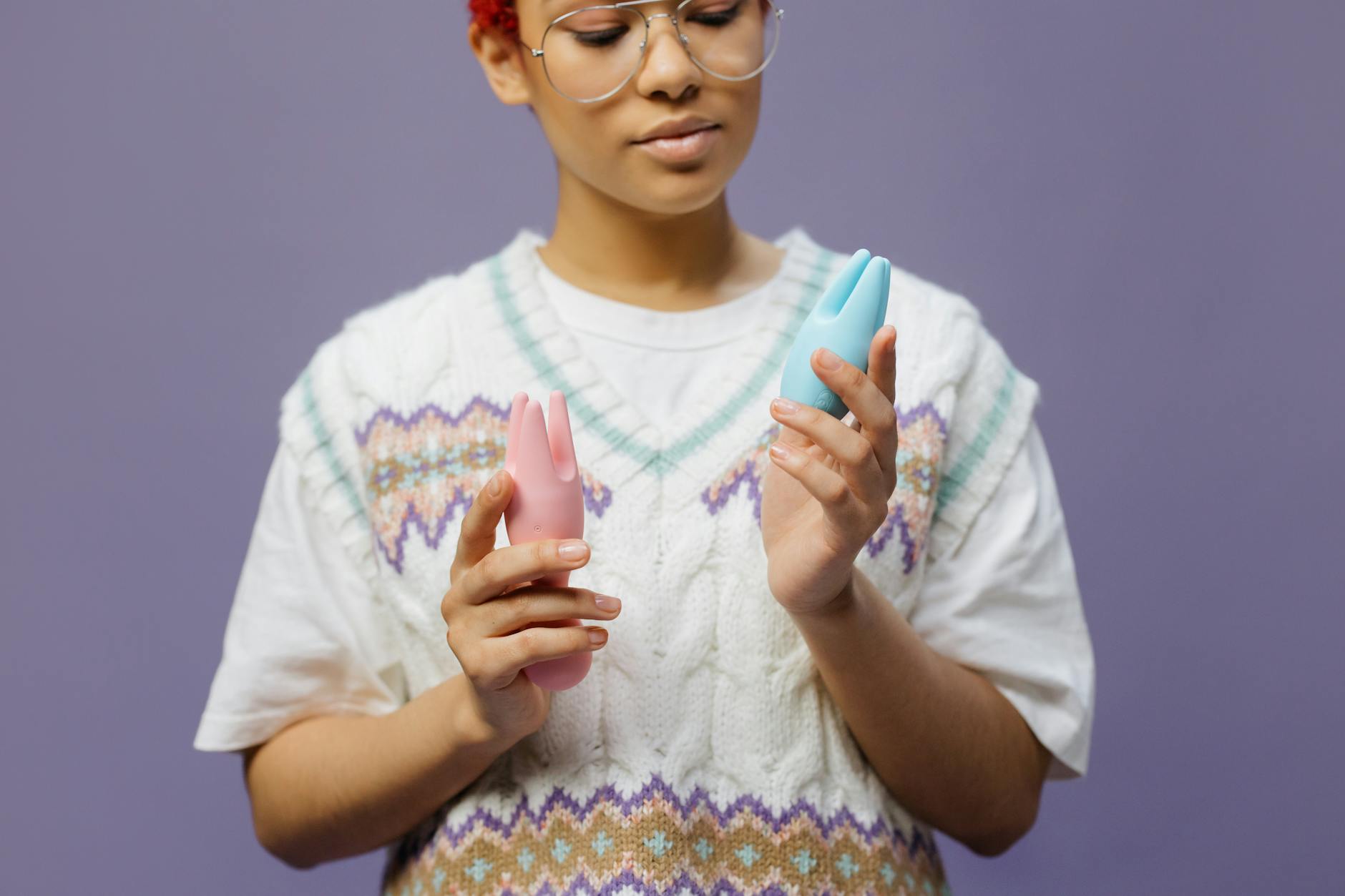
Let's get real about the fear
Honestly? Bringing up a clitoral vibrator with your partner feels like stepping into enemy territory. You imagine defensiveness, comparison anxiety, or worse, silence. But here's what I've seen across hundreds of couples: the anticipation of the conversation is almost always scarier than the conversation itself.
What you're actually doing is opening a door to more pleasure and honesty. That's not weakness. That's partnership.
Why now is the right time
There's no perfect moment, but there are better ones. Don't bring it up mid-argument, during a drought, or when you're already frustrated about sex. Those conversations layer new tension on top of existing ones.
Instead, pick a time when you're both calm, fed, not rushed. Ideally outside the bedroom. A walk, the car, sitting on the couch with tea. Neutral ground helps both of you think clearly instead of react defensively.
If your sex life is already solid, this is easier. If it's been stalled, the conversation needs gentleness. Frame it as "I want more of you" not "what we have isn't working."
How to actually start the conversation
Don't lead with the toy. Lead with curiosity about your partner's pleasure.
Here's a script that works: "I've been thinking about us and what we both enjoy. I read something about clitoral vibrators and how they work differently than other toys. I got curious about whether something like that might feel good for you. I'd love to explore that together if you're open to it."
Notice what's happening here. You're centering their pleasure. You're being specific about what you learned (not vague). You're offering partnership ("together") not criticism.
If they say no immediately, don't push. Ask why. Sometimes it's a real concern ("I feel like it means I'm not enough"). Sometimes it's just surprise. Those are fixable conversations. Other times it's a real boundary. Respect it.
The insecurities they might actually be feeling
Let's name the elephant. Many partners (of any gender) worry that introducing a toy means they're being replaced. This is not rational but it's real and it matters.
If this comes up, be direct: "That's not what this is. Nothing you do is getting replaced. This is about adding something that feels different, not better. I want to feel it with you."
Another concern: "Does this mean the sex we have isn't good enough?" The answer is no. A lemon vibrator is like adding a new instrument to a song. It doesn't make the original melody bad.
Some people worry about performance pressure. If suddenly there's a toy involved, they might feel like they need to do more, be more, compete. Tell them plainly: "You're not being tested. We're just trying something."
Why lemon vibrators specifically make this easier
Clitoral suction toys like the lemon vibrator work with the body's natural sensitivity instead of against it. They feel different enough from fingers or friction that they read as an add-on, not a replacement.
Also, they're not phallic. That matters more than people admit. A wand or dildo can trigger comparison and inadequacy. A clitoral vibrator feels like a tool for pleasure, not a substitute partner.
When you're introducing something new to a skeptical or nervous partner, the tool itself should be as non-threatening as possible. A lemon clitoral vibrator is playful, clearly designed for sensation, and honestly kind of cute. That counts.
The first time together
Don't make it a production. Don't buy fancy lingerie and set a scene. That creates pressure.
Instead, treat it like an experiment. Get into foreplay as you normally would. When the moment feels right (already aroused, already connected), you might say, "Want to try that thing we talked about?"
Let them decide if they want to hold it, if you hold it, where. Cede control on the mechanics. You're learning each other's response together.
The first time probably won't be the best time. It's new. Brains are aware of the novelty. That's okay. The second, third, and fourth times get better as the nervousness fades.
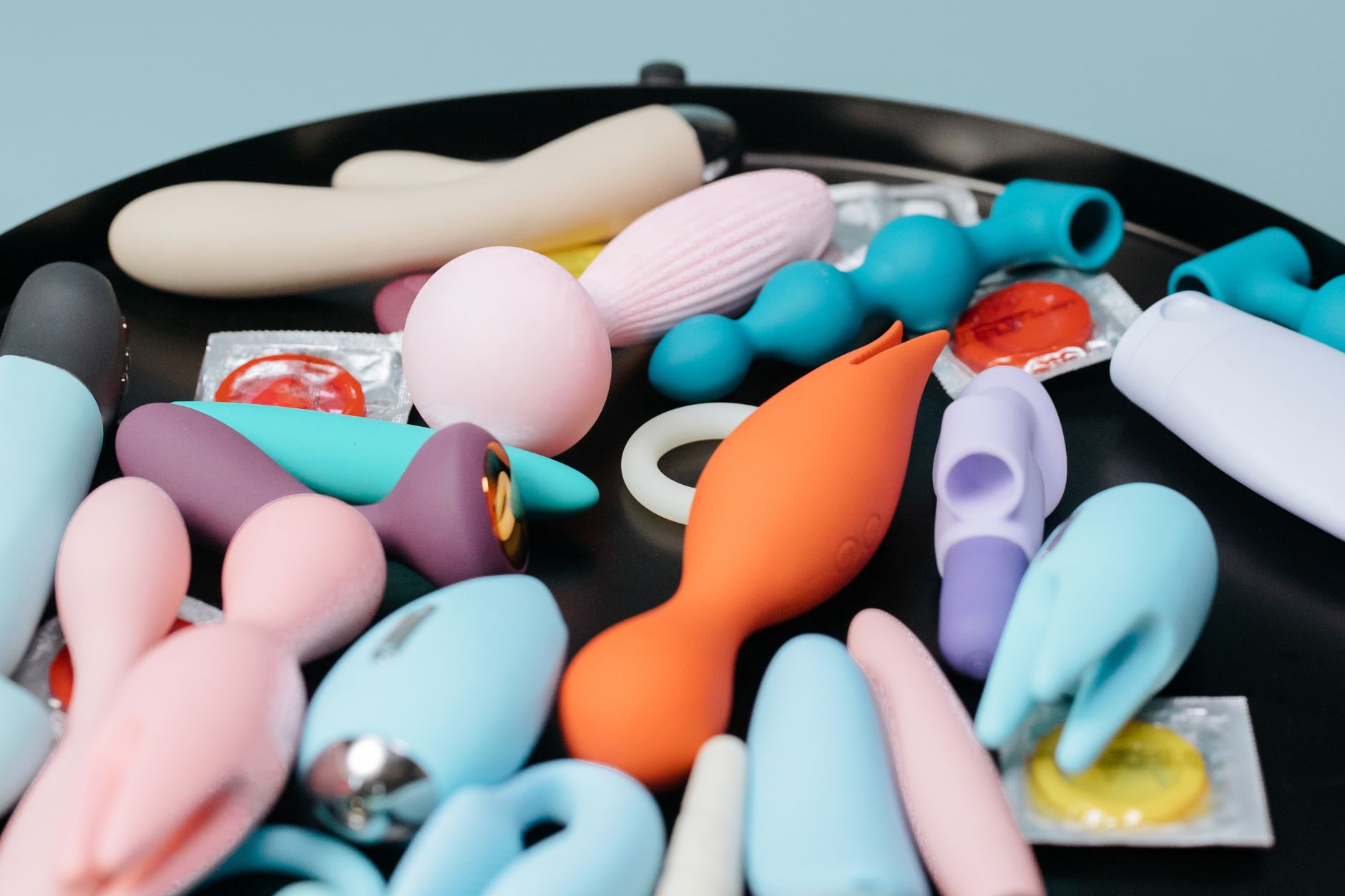
Photo by cottonbro studio on Pexels
What to do if they're still hesitant
Sometimes you'll get a soft no disguised as "maybe later." Don't let it die quietly. Instead, ask what would make them feel safer.
Maybe they need to research it first. Maybe they want to watch you use it alone before partnering. Maybe they need reassurance that their pleasure matters as much as the novelty.
One partner I worked with was nervous about his wife introducing a vibrator. He felt threatened. What helped was her saying, "I trust you so much that I want to share this with you. Not instead of you. With you." That shifted it from threat to invitation.
Managing the practical stuff
Once you're both on board, handle logistics matter-of-factly. Where do you keep it? When do you use it? Is it just for partnered sex or does solo play happen too?
For lemon vibrators specifically, they're small, discreet, and easy to store. The battery lasts hours. They're intuitive to use. Talk about cleaning (warm water and mild soap), about patterns and intensity, about what feels good and what doesn't.
The goal is for it to become normal. Like reaching for lube or condoms. Just another thing in your shared pleasure toolkit.
When it doesn't go as planned
Sometimes a partner tries it and feels weird, awkward, or disconnected. That happens. It doesn't mean the conversation failed or the relationship is fractured.
What it means is you need another conversation. "That felt off. Let's talk about what didn't work." Maybe the timing was bad. Maybe the sensation wasn't right. Maybe the psychology of it still feels off and needs more time.
You can pivot to solo use. You can pause for a month and try again. You can accept that this particular tool isn't for you as a couple and that's fine too.
I've worked with couples who tried a lemon vibrator once and shelved it. I've worked with couples who now use it almost every time. Both are successful if both people feel heard and respected.
The actual benefit nobody talks about
Bringing a toy into a relationship often strengthens communication more than it strengthens orgasms. You had to talk about desire, vulnerability, insecurity, pleasure, and boundaries. Those conversations don't end at the toy. They ripple into how you talk about everything else.
Many couples I work with say that introducing something new was the thing that made them feel like partners again instead of roommates performing a routine.
That doesn't require a lemon vibrator specifically. It requires the willingness to say, "I want more with you. I'm nervous about asking. But you matter enough to be nervous for."
FAQ
How do I bring it up if my partner has rejected toys before?
Acknowledge the history. "I know you weren't into this before. I'm not trying to push something you don't want. But I've learned more about how these actually work and I got curious if it might feel different now." If they remain firm, respect it. Don't make toys a wedge issue.
What if my partner wants to use it but I'm uncomfortable?
That's real too. You don't have to be enthusiastic about something that makes you nervous. Be honest about the discomfort and explore where it comes from. Is it insecurity? Lack of understanding? A real boundary? Once you know, you can decide if it's something to work through or something to respect as a hard no.
Can I surprise them with a clitoral vibrator?
I wouldn't. Even the best-intentioned surprise can read as pressure. The conversation matters more than the toy. You want them to feel consulted, not ambushed.
What's the best lemon vibrator for couples who are new to toys?
Something small, intuitive, and not too intense. The Lemon Clitoral Vibrator from Hello Nancy is designed for ease of use and sensitivity, which makes it less overwhelming for someone trying something new. It's not aggressive, which helps.
What if the toy feels good but the emotional experience doesn't?
That's worth talking about. Sometimes the physical sensation is right but the context feels off. Maybe you need more foreplay. Maybe you're both in your heads. Maybe you need to separate the experience from performance pressure. One couple I worked with found that using it only during solo exploration first, then together later, made all the difference.
How often should we use it?
Whatever feels natural. Some couples use it every time. Some use it occasionally. Some use it solo. Let desire and comfort guide the frequency, not obligation. The moment it feels like a script instead of play, you've lost the benefit.
The real point
Bringing a lemon vibrator into your relationship isn't about the toy. It's about saying, "Your pleasure matters. My pleasure matters. Our connection matters enough to be vulnerable and curious together."
That conversation, done well, doesn't complicate intimacy. It deepens it.
If you're wrestling with this, that means you care about your partner's experience and your own. That's the actual foundation. The toy is just the vehicle.
Ready to have the conversation? Start with the script. Keep it grounded. Lead with curiosity about their pleasure, not defensiveness about yours. And remember: you're not asking permission to want more. You're inviting them into more together.
For more on navigating pleasure conversations in relationships, check out our guide on best lemon vibrator settings for different pleasure types and how clitoral vibrators compare to other toys.
If this conversation surfaces deeper communication challenges, that's worth addressing with a couples counselor. Sometimes a third voice helps. That's not failure. That's wisdom.