
Let's talk about numbness that actually matters
Your clitoris has stopped responding. Or it responds, but you need more intensity, more time, more everything to feel anything real. You're not broken. This is remarkably common, and it's also reversible.
Desensitization happens for concrete reasons: repetitive stimulation at high intensity, vibration dependency (where only one specific frequency works), sometimes medication side effects, hormonal shifts, or even just years of the same pattern. The nervous system adapts. That's its job. The good news? It can unadapt.
How desensitization actually works
Your clitoris is nerve-dense, maybe denser than anywhere else on your body. Those nerves have a threshold. When you consistently hit that threshold hard and fast, your nervous system turns down the volume. It's not laziness. It's self-protection.
Repeat the same stimulation at high intensity long enough, and two things happen. First, the nerves literally require stronger input to fire. Second (and this matters for recovery), your brain learns that this pattern is "normal" and stops signaling novelty. No novelty means less dopamine, less reward sensation.
This is why people often report that the exact technique that worked for two years suddenly feels like nothing. They haven't broken anything. Their nervous system has simply adapted.
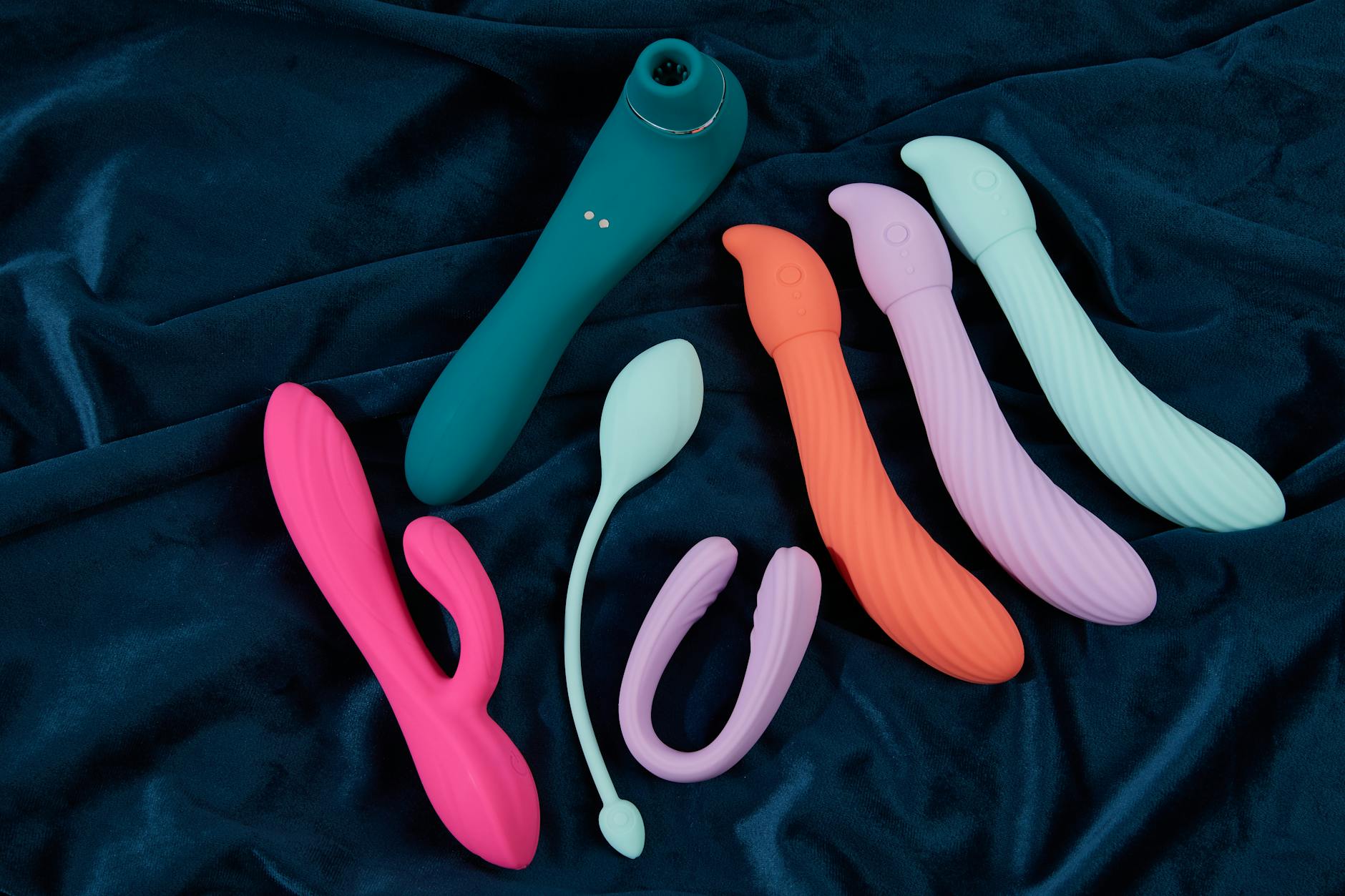
Photo by IFONNX Toys on Pexels
Why lemon clitoral vibrators are different for recovery
Here's where lemon vibrators matter. Most toys use vibration frequencies between 50 and 300 Hz. Lemon suction toys work on a completely different principle. They use air-pulse technology, mimicking oral suction in a way that stimulates nerves through pressure changes rather than vibration.
For someone rebuilding sensitivity, this is crucial. Your nervous system isn't tired of suction. It's tired of whatever specific vibration pattern you've been using.
The lemon clitoral vibrator, in particular, uses gentle suction patterns that don't depend on high-frequency buzzing. The sensation is novel again. Novel sensation wakes up your nervous system.
Another advantage: suction engages different nerve pathways than direct vibration. You're literally using a different set of sensory channels. That fresh input can bypass the adaptation that built up around repetitive vibration.
The recovery protocol: time off first
Before you introduce a new tool, the most important step is almost no one takes it. Stop using whatever you've been using. Completely.
Two weeks. That's the floor. Some people need four to six weeks.
I know that sounds harsh. The sex shops don't advertise it because it's terrible marketing. But your clitoris needs to forget the old frequency. Sensory adaptation only reverses when you remove the stimulus that created it.
During this window, you can still have pleasure. Just not through the method that numbed you. Partnered touch, different kinds of penetration, sensation play with temperature or texture. Your clitoris is offline from toys only, not offline from pleasure entirely.
Reintroducing sensation with lemon vibrators
When you're ready to try again, start low and stay there longer than feels intuitive.
If your lemon vibrator has settings (many do, though the Lem vibrator itself runs continuously), begin on the lowest setting. Wait for the feeling. Actually wait. Not two minutes. Five to ten.
Your nervous system needs time to recognize that something new is happening. Patience here isn't romantic. It's neurological.
Many people report that the first session back with a new tool feels strange or underwhelming. That's normal. You're asking your clitoris to wake up to something unfamiliar. By session three or four, the novelty kicks in harder.
Here's what else helps during reintroduction: use the lemon clitoral vibrator less frequently than before. If you used to use toys five times a week, drop to twice weekly during recovery. This prevents you from building a new adaptation pattern while you're trying to break the old one.
Variety, novelty, and the role of rhythm
One reason desensitization happens is boredom at the nervous system level. The same rhythm, same intensity, same everything becomes background noise.
Lemon sexual toys excel here because they introduce variety easily. Suction patterns can vary. Intensity ramps. Pulses. Nothing about suction feels exactly the same twice.
Compare this to a traditional vibrator running at a steady 100 Hz for twenty minutes. That's identical input every single time. Your nervous system stops paying attention.
The more varied your stimulation, the less likely you are to redevelop the same numbness. Alternate between a lemon vibrator and partnered touch. Change positions. Use the toy on different parts of your clitoris (the shaft, the head, the sides). Build a rotation of sensations.
When sensation starts returning
You'll notice it's not a switch. It's a fade in.
Week one: different, but not necessarily better. Week two: you're getting genuine sensation again, though it might feel sharper or rawer than you're used to. By week three or four, full response is usually back if you've stuck with the protocol.
Some people report that sensitivity comes back stronger than before. Others find the sensation simply richer and more complex. This variation is normal.
What you're unlikely to experience: instant restoration. Anyone selling you that narrative is lying. Nervous system adaptation takes time to build and time to reverse.
Preventing redevelopment
Once you've recovered sensitivity, keeping it means breaking the pattern that created the problem in the first place.
Rotate your tools. If you've been using the same device, add something new to your rotation. A lemon clitoral vibrator, a wand, your partner's touch. Change things deliberately.
Vary intensity and rhythm. Don't find a "sweet spot" and camp there. Move around.
Take breaks. Once or twice a month, take a week off from toys entirely. This resets your baseline and prevents the nervous system from settling into a new routine.
Pay attention to your body signaling "enough." When sensation starts to feel dull during a session, stop. You don't have to keep going until you reach a finish line.
The emotional part (which matters as much as the technique)
Most conversations about desensitization skip this, and it's a mistake.
Numbing often lives alongside shame. You feel broken. Defective. Less sexual. Partners might panic. You might blame yourself for masturbating "too much" or using toys "wrong." None of that helps.
Here's the truth: desensitization is a signal your body is sending. Not a moral failure. Your nervous system is saying "this pattern isn't working anymore." That's useful information, not humiliation.
Treating recovery as a gentle reset rather than a punishment or a problem changes how your body cooperates. Anxiety makes numbness worse. Shame makes recovery slower. Curiosity makes it faster.
If you're partnered, this is a conversation worth having. "My body is asking for a change. I'm trying something new. I'd love your help." Partners who understand the physiology are partners who can support the process instead of adding pressure.
When to seek professional support
If numbness appears suddenly (not gradually over months), if it's only on one side of your body, if there's pain alongside it, or if it doesn't improve after eight weeks of genuine rest and the protocol above, talk to a gynecologist or pelvic health specialist.
Desensitization is common and reversible. But sudden changes sometimes point to other things: nerve damage, hormonal shifts, or medication effects that need actual clinical attention.
This isn't failure. It's being smart about your own health.
FAQ
Can you rebuild clitoral sensitivity after years of numbness?
Yes. Even long-term desensitization usually reverses with sustained rest and reintroduction. The longer you've been numb, the longer recovery might take, but the basic neurology works the same way. Some people report full restoration within weeks. Others need two to three months. Consistency matters more than speed.
Is a lemon vibrator better than my current vibrator for recovery?
For most people rebuilding sensitivity, yes. The mechanism is different (suction versus vibration), so your nervous system experiences it as novel. Novelty is what wakes up adaptation. That said, any change in stimulus helps. A wand you've never tried, a partner's touch you haven't explored, all of these work. The lemon clitoral vibrator is just particularly well-suited because it's mechanically different from the high-frequency vibrators that often cause desensitization in the first place.
How long should I wait before using toys again after I stop?
Two weeks minimum. Most people benefit from four weeks. If you're rebuilding after years of the same pattern, six weeks isn't excessive. You're waiting for your nervous system to forget the old frequency and reset its baseline. Shorter than two weeks usually doesn't do much. Longer is fine.
Can you become numb to lemon vibrators too?
Yes, if you use them the exact same way every single time at high intensity. The answer is the same: rotate tools, vary rhythm and intensity, take breaks, and pay attention to when sensation starts feeling stale. Prevention is easier than recovery.
What if sensitivity doesn't come back?
If you've followed this protocol for two months with no improvement, see a specialist. Sometimes there's an underlying hormonal issue, nerve damage, or medication effect that needs clinical attention. This isn't common, but it's real. You deserve answers.
Is this the same as having a low sex drive?
No. Numbness is about physical sensation. Low drive is about desire. You can have desire and sensation numbness at the same time (frustrating), or desire without sensation, or the reverse. They're separate systems. If both are offline, that's worth exploring with a therapist or specialist. If it's just sensation, this protocol often fixes it.
Recovery is possible
Your body isn't permanently broken. Desensitization is adaptation, and adaptation is reversible. It takes patience, genuine rest, and the willingness to try something different. That different thing might be a lemon vibrator, or it might be something else entirely. The point is: change the stimulus, and your nervous system will wake up.
If you're working through this and you want to talk through what's happening with your body, or if you need support navigating how this shows up in a relationship, reach out. That's what we're here for.