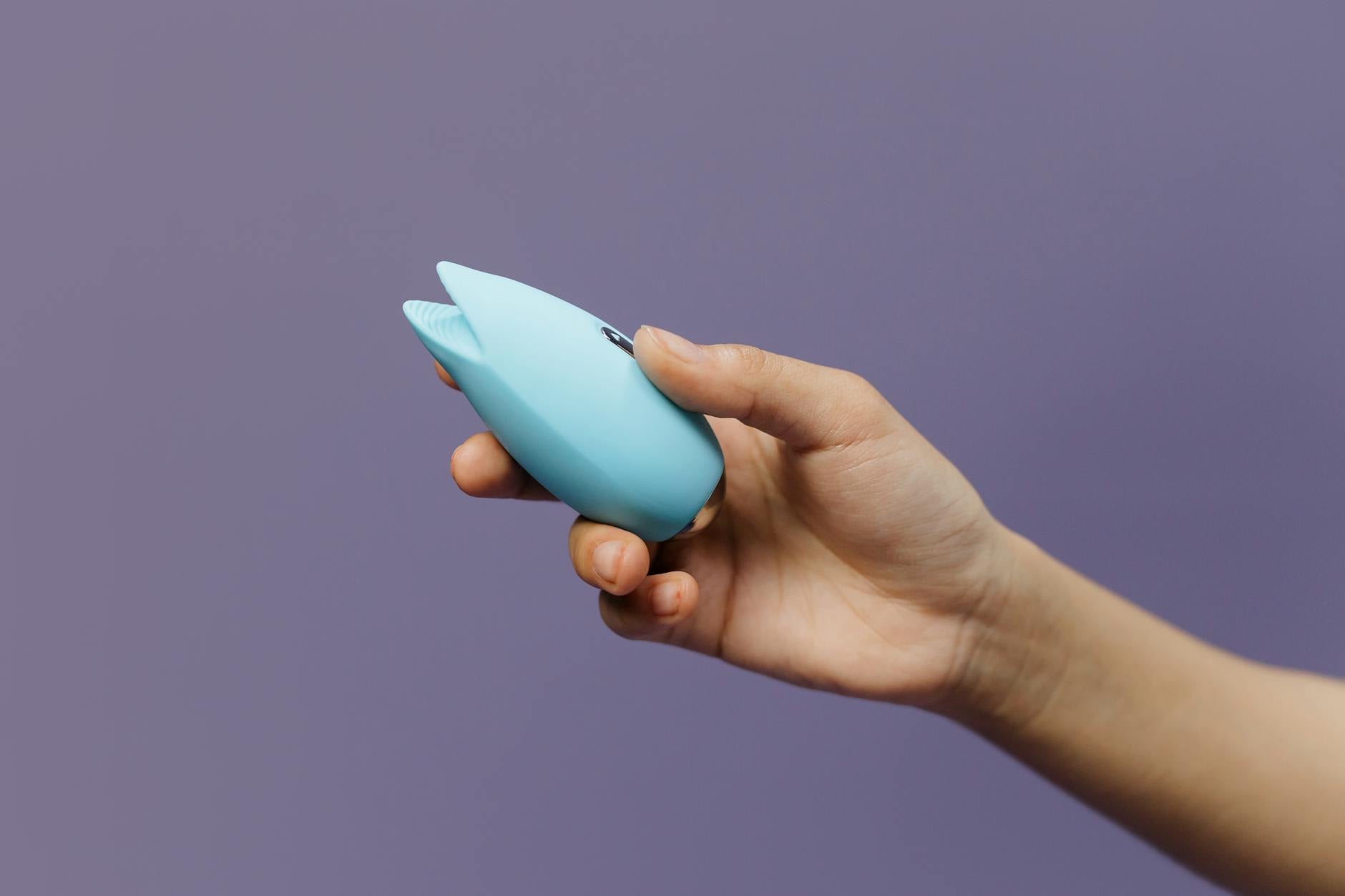
How to Use a Lemon Vibrator With a Partner When You Have Different Pleasure Preferences
Let's be real. One of you is ready to go in five minutes. The other needs twenty. One person loves deep, concentrated pressure. Their partner wants something lighter and roaming. One reaches orgasm through one specific pattern. The other needs variety.
This is not a flaw. It's normal. And it's exactly why a tool like the lemon clitoral vibrator exists.
The mismatch problem nobody talks about
Most couples therapy I do around pleasure starts with someone saying, "We're just wired differently." That's true. But the translation often becomes, "So nothing we do together will work." And that's where couples get stuck.
Here's what actually happens physiologically. Your nervous systems have different baseline arousal thresholds. One partner might have a faster-firing sensory response. The other has a longer warm-up window before sensation even registers. Neither is wrong. Neither is broken. But when you're trying to sync up with just your hands or your body, you end up either frustrated or performing.
A lemon sucker vibrator solves this differently than a traditional vibrator. The air-suction technology doesn't rely on you matching intensity or speed with your body. It gives you both independent control. One person can set the Lem vibrator to a low, gradual pattern while their partner uses hands or penetration at their own rhythm. You're not trying to sync your physical touch anymore. You're creating a team experience instead.
Why air-suction changes the equation
There are three things that make lemon vibrators work better for couples with mismatched pleasure styles.
First, the sensation is isolated. Traditional vibrators buzz through a broad area. The Lem uses suction to focus on the clitoris specifically without the "jackhammer" feeling that makes some people uncomfortable. That means someone who's sensitive doesn't feel overwhelmed, and someone who needs stronger sensation can dial up the intensity without harming delicate tissue.
Second, the patterns are programmable. The Lem vibrator has multiple settings and intensities. Your partner who needs slower buildup can start on pattern one. You stay there for as long as feels right. When they're ready, you move to pattern three. Someone who loves variety can cycle through. This removes the pressure to stay on one setting forever.
Third, it's positioned for partnered use. A clitoral vibrator sits right where it needs to be, which means your hands and attention are freed up for other touch. You're not holding a buzzing toy at an awkward angle while trying to be intimate. That mental load reduction alone changes how sex feels.
The conversation before you try it
This is the part most couples skip, and it's why introducing a toy fails.
Honestly approach your partner something like this: "I want sex to feel better for both of us. I've noticed we have different timing and sensation needs. I don't think that's a problem. I think we need a different tool. Can we try something together?"
Notice what that sentence does. It centers pleasure for both people. It reframes the tool as collaborative, not compensatory. It asks permission instead of surprising them.
Then answer these questions together before you do anything.
What are they worried about? Common fears: "Will I feel replaced?" "Will it hurt?" "Is this admitting something's wrong?" Name the fear directly. "I want us to feel more connected, and this helps that happen" is different from "We need this because our sex life is broken."
What do they actually want from partnered sex? Not what they think they should want. The real thing. Is it connection? Physical sensation? Mental escape? Something specific? Get specific.
What does the partner using the toy want? Same question.
Once you've talked, you're ready to actually use it.
Setting it up without the awkwardness
Position matters more than you'd think. Here's what works.
If your partner is receiving: They lie on their back or lean back slightly. You position the Lem vibrator and then keep your hands free for touch elsewhere. You're not fumbling with a toy while trying to kiss them or stroke their body. The vibrator does one job. You do ten others. That's the partnership.
If you're the one receiving: Same setup. Your partner holds the vibrator or you do initially to find the angle, then you can relax into it while they touch you elsewhere.
Start with your clothes on if that feels safer. Seriously. Let them feel the suction through fabric first. Some people who are nervous about vibrators relax completely once they realize it's not this intense buzzing shock. It's pressure. It's focused and warm.
When you do use it skin-to-skin, add water-based lubricant first. This isn't because anything's wrong. Lube just makes the suction seal better and feel smoother. Your lemon clitoral vibrator will feel noticeably different and better.
Navigating different intensity preferences in real time
Here's where a lot of couples fumble. One person is using the vibrator and getting into it. The other is still warming up. What do you do?
The person using the vibrator needs to check in. "How's this feeling? Too much? Want me to move to a different pattern?" Not during the moment like it's clinical. Just naturally, the way you'd ask anything.
The person receiving touch needs to feel safe saying, "Lower intensity for now" without it being a rejection. You can say, "I'm still building up. Drop it to pattern one?" That's not criticism. That's collaboration.
If one person climaxes first, the other doesn't have to follow immediately. This is where mismatched pleasure actually becomes an advantage. One of you can enjoy finishing while the other continues at their own pace. No pressure. No performance. Just different timelines happening in the same bed.
Here's something most couples don't realize: sometimes one person having an orgasm first actually makes the other person more relaxed. The pressure lifts. Now you're just enjoying sensation instead of racing to sync.
When one partner needs significantly longer warm-up
This is the scenario that breaks most couples. One person could have an orgasm in five minutes if they were alone. Their partner genuinely needs thirty.
Using a lemon vibrator doesn't solve this completely, but it changes the dynamic. Because now the person with the longer arousal curve can use the vibrator while their partner is stimulating them manually, orally, or through penetration. You're layering touch. You're not waiting for one person's body to cooperate.
The vibrator can actually help the slower-to-warm-up person get there faster by providing consistent, targeted sensation while their partner provides variety elsewhere.
But also, honestly, sometimes you split the time. Maybe sex is fifteen minutes where you're doing stuff together and focused on the person who takes longer. Then separately, when they're asleep or another time, the faster-to-climax partner gets their own thing. That's not disconnection. That's honesty about two different bodies existing in the same relationship.
Communication patterns that actually work
After sex, not during, is when you talk about what worked. "That felt really good when you used the lower patterns." "I liked that you were touching me while using the vibrator." "Can we try this next time?" Specific feedback. No judgment.
If something didn't work, you say that too. "That intensity was too much for me" is just information. It's not failure. You adjust and try again.
The couples I work with who make toys work long-term have one thing in common. They treat the vibrator like any other part of sex. Not as a novelty or a last resort. Just a tool that helps both people feel better.
The bigger picture
Different pleasure preferences aren't a relationship problem waiting to happen. They're information. They tell you that you have two separate sensory systems in the same relationship. That's actually fascinating. And it's fixable.
When you use something like a lemon clitoral vibrator as a team, you're not trying to override your partner's body or force yourself into theirs. You're working with what's actually true about both of you. That shift alone, from fighting against difference to building with it, changes how sex feels.
Your pleasure doesn't have to match. It has to exist in the same room. And when you have the right tools, that becomes the fun part.
People also ask
How do you introduce a vibrator to a partner who seems resistant?
Start with conversation, not the toy. Explain why you want to try it and what you hope it adds to your sex life. Give them space to say no. If they're open, let them hold it, feel it, understand it before anything intimate happens. Resistance usually comes from fear or feeling like their touch isn't enough. It's not. You need this for you. That's different from "you're not doing it right."
What if one partner loves the vibrator and the other doesn't?
That's fine. You don't have to both love every tool. One person can use the Lem vibrator for solo play while the other enjoys something different. Or you use it only sometimes. There's no rule that says you have to love every element of shared sex. But if one person never wants it and the other desperately does, that's a conversation about desire mismatch, not about vibrators. The tool just revealed what was already there.
Can you use a lemon vibrator during penetration?
Absolutely. Some couples position the vibrator on the clitoris while penetrating. The external and internal sensation layers. Some people need clitoral sensation on top of anything else to orgasm, and a vibrator lets that happen without someone having to sacrifice their position. Experiment with angles and patterns until you find what works.
What if the vibrator makes one person orgasm so quickly that the other feels left behind?
That's actually common with air-suction tech like the Lem. It works really efficiently. You can slow it down by using lower patterns. You can also take breaks. Bring the sensation up and dial it back. Make it last longer. Or you can lean into the fact that orgasms don't have to sync. One person finishes. You keep going. No pressure for the other person to catch up.
How do you store or talk about a vibrator with your partner after you've tried it?
Normally. Like any other thing you use for sex. "I'm going to grab the Lem" shouldn't feel like a secret or a big announcement. It's just there. If it becomes awkward to mention, that's worth examining. Usually it means you're still treating the tool as taboo instead of practical.
What if different pleasure preferences point to a deeper incompatibility?
Sometimes yes. If one person genuinely wants daily sex and the other wants it once a month, a vibrator doesn't solve that. That's a desire frequency mismatch. If one person needs a specific kind of stimulation that the other can't or won't provide, and they won't use a tool either, that's a values conversation. Tools help with technique differences and sensation mismatch. They don't fix fundamental desire incompatibility. Those conversations need a therapist or a serious talk, not a new toy.
If you're looking to navigate pleasure preferences with a partner, start with the conversation. The tool comes second. And if you want more on rebuilding connection through intimacy, we have resources on how to warm up with a lemon vibrator when arousal takes longer and how lemon vibrators help release pelvic floor tension for deeper orgasms that speak to the physical piece. For relationship questions specifically, you can always reach out to Hello Nancy.