Here's the conversation most couples never have
You're in your mid-40s or 50s, been with your partner for years, and suddenly your body isn't cooperating the way it used to. Arousal takes longer. Sensation feels different. Maybe it's a bit uncomfortable. Your partner isn't sure what to do. You're not sure what you want. So you both pretend it's fine, which means sex either stops or becomes this quiet thing nobody talks about. That's not fine.
Menopause changes pleasure. It doesn't end it, and it doesn't have to end the conversation either. What actually changes is the baseline for arousal and sensitivity. What doesn't change is your ability to feel good or your partner's ability to help you get there.
What's actually happening to your body
Estrogen and testosterone both drop during menopause. For people with vulvas, this means tissue thins, lubrication decreases, and the clitoris may feel less responsive to direct stimulation. The pelvic floor also loses support, which can change how sensation moves through your whole body.
But here's the part your partner needs to hear: your nervous system still works exactly the same. The neural pathways for pleasure are untouched. Your ability to orgasm hasn't disappeared. It's just asking for different input.
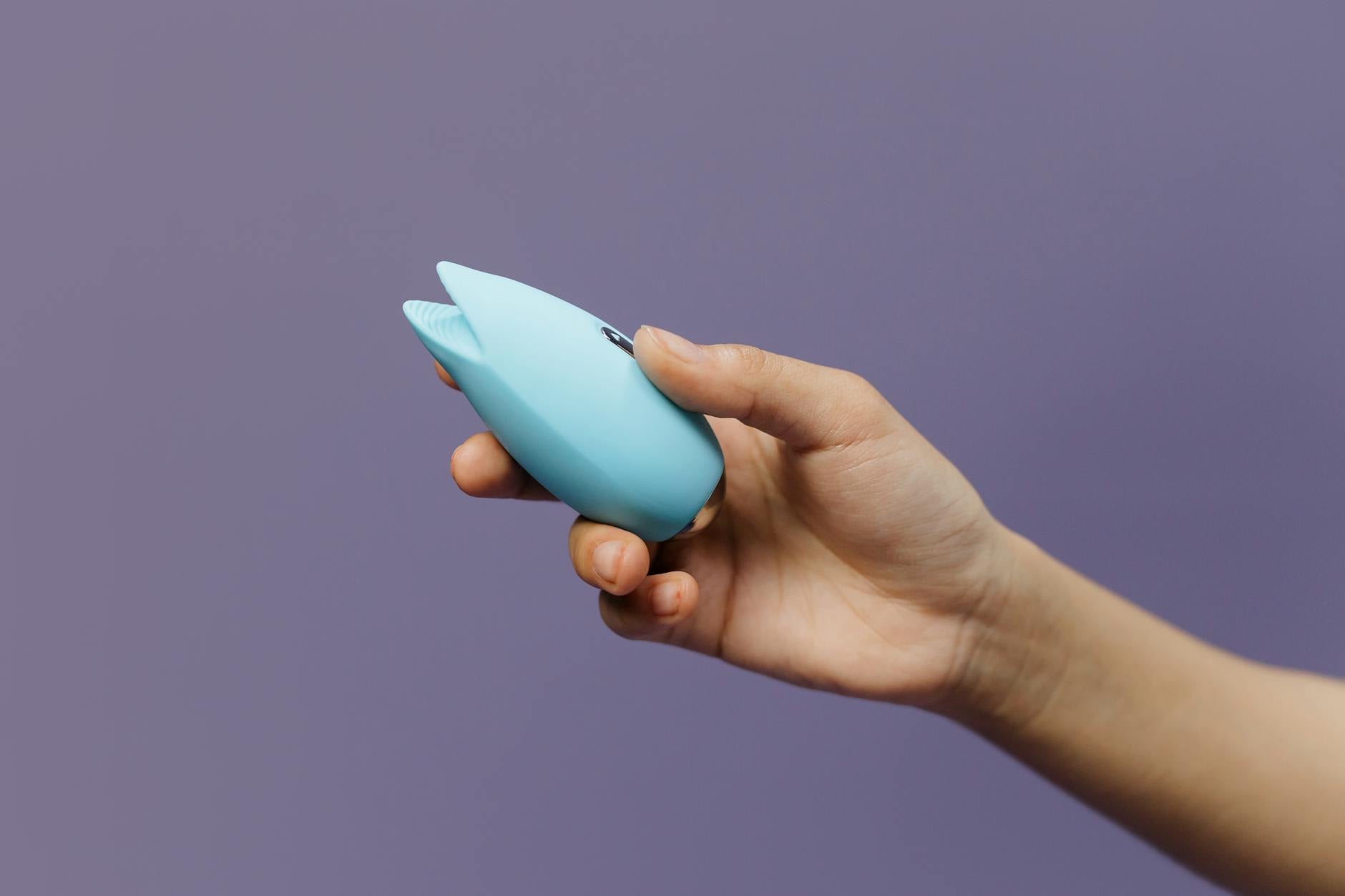
This is where a lemon vibrator, specifically a clitoral vibrator that uses suction rather than traditional vibration, actually becomes valuable. Suction stimulates a wider nerve network than friction alone. It feels gentler on thinner tissue while still being intensely pleasurable. For couples navigating menopause together, this tool can bridge the gap between what used to work and what works now.
Why the conversation matters before the toy
The biggest mistake I see in my practice is couples treating menopause like a solo problem the person with a vulva needs to solve. It's not. It's a relationship transition that both partners navigate.
Before you introduce any toy, sit down and actually talk about this. Not during sex. Over tea. Say something like: "My body is changing and I want us to explore this together instead of pretending it's not happening." Your partner probably wants to help. They just don't know how.
Then talk about what feels different. Is it slower arousal? Different sensation? Dryness? Pain? Each of these has a different solution, and your partner needs to know which one you're experiencing. This isn't medical disclosure. It's giving your partner the information they need to be useful.
Introducing a lemon vibrator into your routine
If you've never used a toy together before, this can feel awkward. That's normal. Here's how to make it less weird.
Start by exploring it alone first. Spend 10 minutes with your lemon clitoral vibrator by yourself. Learn what patterns feel good, what intensity works, whether you prefer it directly on the clitoris or around it. This gives you baseline knowledge so when your partner is involved, you're not both figuring it out at once.
Then introduce it gradually into partnered time. You might start by using it while your partner is just present next to you. Then they can touch you elsewhere. Then they can hold it for you. Then it becomes part of foreplay together. Each step is optional. Move only when you feel ready.
The lemon vibrator's design matters here. The suction mechanism is gentler than traditional vibration, which means it's easier to use during this transition without overstimulation. For people with thinned tissue and decreased lubrication, this difference is significant.
The lubrication conversation
Do not skip this part. And do not assume it means something is wrong with you.
Menopause means less natural lubrication. This is biology, not a signal. A high-quality water-based lubricant becomes part of your setup, the same way you'd use lube with any toy. Apply it generously. Reapply it during sex. This alone transforms the experience.
Your partner should be involved in this choice. Make picking out a lubricant together part of the ritual. Brands like Uberlube or Hyalo work well. The act of choosing it together sends a signal: we're doing this as a team.
Timing and patience matter more than you think
One clinical observation: arousal during menopause often takes 15-25 minutes instead of 5-10. Most couples haven't factored this in, so sex feels rushed and neither person is actually ready when penetration or intensity happens.
Budget differently. Start with 20 minutes of foreplay before you even consider bringing out the lemon vibrator. Use that time to touch, talk, and let your nervous system actually shift into arousal mode. This benefits both of you. Your partner gets to really connect with you instead of rushing. You get time to build sensation.
When the vibrator comes in, don't use it as the main event immediately. Use it as part of foreplay first. This lets your body adjust to the sensation and your partner gets comfortable with how to use it.
The emotional piece nobody talks about
Menopause can land alongside midlife identity shifts. You might be grieving your younger body. You might feel less desirable. Your partner might worry they're doing something wrong if sex changes. These are relationship issues masquerading as physical ones.
Talk about it. With your partner. Maybe with a therapist if it's heavy. The physical pleasure piece matters, but the emotional reconnection might matter more. When you're using a lemon clitoral vibrator together, you're not just solving a mechanics problem. You're choosing to stay close through a change. That choice is the thing that makes the difference.
Pleasure intensity might actually increase
Here's what I hear from couples regularly: the pleasure during menopause is sometimes more intense, not less.
Why? Three reasons. First, you're paying attention to sensation in a new way. You're present instead of on autopilot. Second, you've often let go of performance pressure because there's nothing to perform. You're just exploring. Third, the suction mechanism of a lemon vibrator stimulates a broader nerve network than what you've probably experienced before, which can unlock new sensation.
Many people discover their most satisfying orgasms after menopause. This isn't poetic. It's clinical. It's what happens when you remove the noise and actually focus on what feels good.
When to bring in a professional
If penetration is painful during menopause, see a menopause-trained gynecologist. Genitourinary syndrome of menopause (GSM) is common and highly treatable with topical estrogen creams or vaginal moisturizers. Don't suffer through it.
If desire completely flatlines and doesn't respond to connection or exploration, testosterone therapy is worth discussing with your doctor. It's prescribed conservatively in many places, but it works for the right person.
If you're struggling emotionally with the transition, therapy helps. A lot. When your partner loses interest in sex, it's usually a communication issue masquerading as a sex issue. Same principle here.
Building pleasure back into your relationship
The real goal here isn't the toy. It's staying close through a body change. It's choosing each other when things get a little messy. It's committing to pleasure as part of your partnership, not just something that happens naturally.
A lemon vibrator, specifically a clitoral vibrator designed with suction technology, gives you a practical tool for this. But the tool only works if you're also doing the real work: talking, exploring together, adjusting your expectations, and staying curious about what feels good now.
Menopause is not the end of pleasure for couples. It's a plot twist. And honestly, the couples who navigate it well often report their best sexual connection comes after, not before.
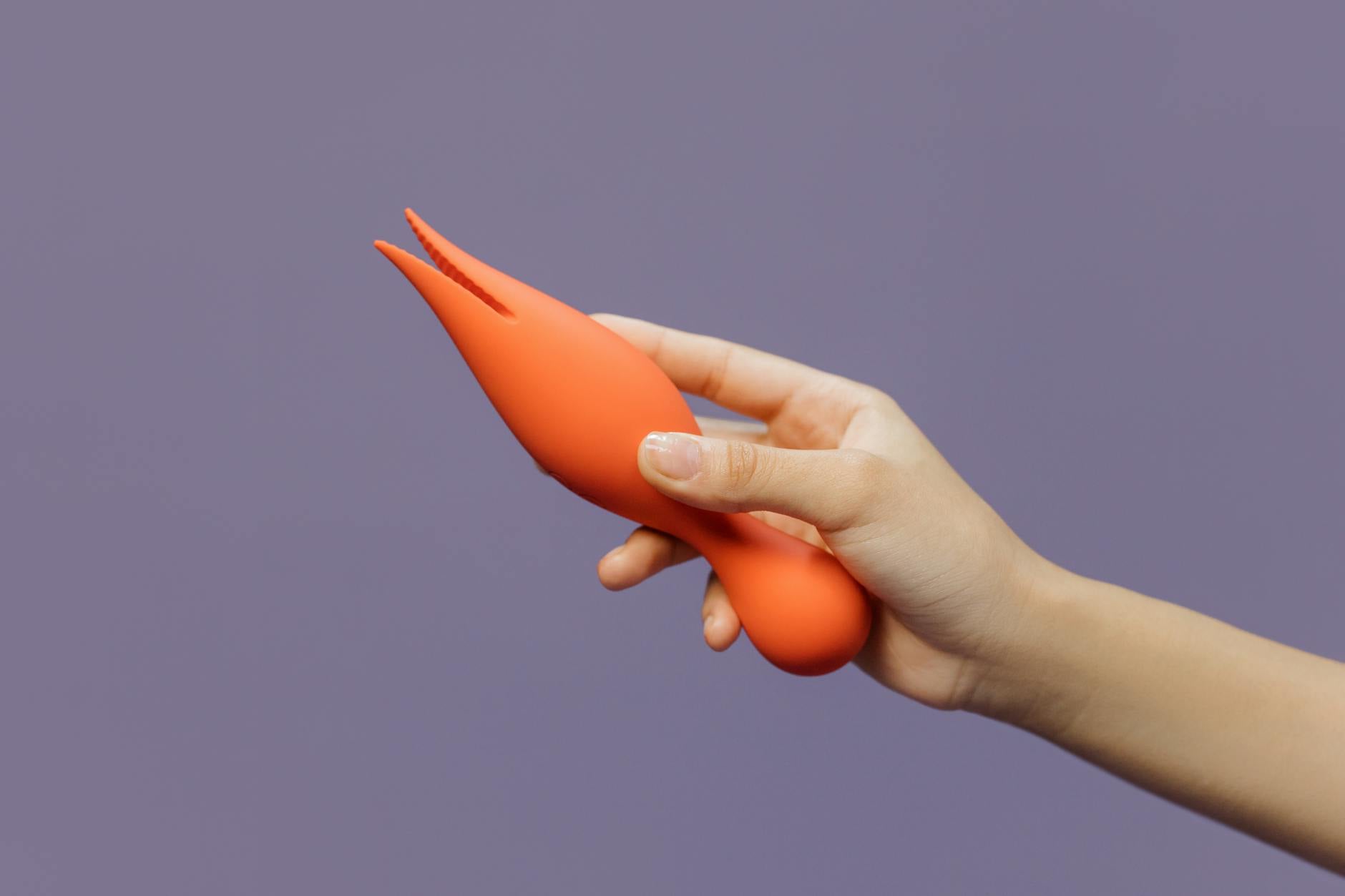
Photo by cottonbro studio on Pexels
Frequently asked questions
How do I bring up using a lemon vibrator with my long-term partner if we've never used toys before?
Start by being honest about why. Don't lead with "I want a toy." Lead with "My body is changing and I miss feeling close to you the way we used to." That reframes it as connection, not complaint. Then say something like: "I read about a clitoral vibrator that might help us explore what feels good now. Are you open to trying it together?" Most partners say yes when they understand the actual goal.
Will using a lemon vibrator during menopause make my partner feel like they're not enough?
Not if you frame it correctly. The vibrator isn't a replacement for your partner. It's a tool that works with menopause biology. You might say: "My body's responding differently right now, and this helps me feel good. I want you there with me." That's the truth and it usually lands well.
Can I use a lemon clitoral vibrator if I have vaginal dryness from menopause?
Absolutely. In fact, you should pair it with a generous amount of water-based lubricant. The suction mechanism of a lemon vibrator is actually gentler on thinned tissue than traditional vibrators because it doesn't rely on direct friction. Lubricate well and you're good.
How long does it usually take to feel pleasure again after menopause affects arousal?
This depends on whether you're addressing the physical piece (lubrication, toy, time to build arousal) and the emotional piece (reconnection with your partner, processing the body change). Most couples report noticeable improvement within 2-3 weeks of actually trying this approach. Real depth takes longer, but the shift happens faster than you'd expect.
Should I use a lemon vibrator every time we have sex during menopause?
No. Use it when you want it. Some couples use it occasionally. Some use it regularly. Some use it for a few months and then don't need it as much because their body adjusts. There's no "should" here. The point is that you have a tool that works when you want it.
What if my partner is uncomfortable with the vibrator but I want to use it?
Talk about the discomfort. Is it insecurity? Unfamiliarity? Religious belief? Each reason needs a different conversation. Sometimes it helps if they do a little research on how lemon suction vibrators work and why they're useful during menopause. Sometimes it helps if you use it alone first so they see you're still you, just exploring. Sometimes you need to honor their boundary. But try the conversation first.
The real shift happens together
Menopause changes the physical baseline for arousal and sensation. That's real. But it doesn't change your ability to feel good or your partner's ability to help you get there. What changes is the approach. Longer foreplay. More communication. New tools like a lemon vibrator. More presence.
Couples who navigate this well often report their sexual connection deepens. Not because the sex is the same as it used to be, but because it's intentional now. Because they chose each other through a change. Because they stayed curious instead of shutting down.
Your pleasure matters. Your partnership matters. Both of these can absolutely thrive during menopause when you approach it as a team instead of a problem one person has to solve alone.
If you're struggling with the emotional side of this transition or finding that pleasure has stalled despite trying these approaches, talking to someone trained in relationship dynamics can help. Sometimes the body piece and the connection piece need to happen in parallel.
You deserve pleasure. Your partner deserves to be part of it. Menopause is not the ending of either of those things. It's a new chapter.