Let's talk about what nobody warns you about
Your orgasms probably don't feel like they did at 25. And that's not a problem to solve. It's information to work with.
Somewhere in your 40s or beyond, orgasm frequency often shifts. It might take longer to build. It might happen less often. Sometimes the sensation feels different, quieter, or more internal. Your brain hasn't changed. Your body's pleasure capacity hasn't diminished. But the pathway to orgasm has. And that's where most people get stuck.
What actually changes in your 40s and beyond
Hormones shift gradually across your 40s and 50s. Estrogen and testosterone both decline. Your pelvic floor muscles lose some of their quick-fire responsiveness. Blood flow to genital tissue slows slightly. Recovery time between orgasms lengthens. The clitoris itself doesn't age, but the nerve pathways that light it up do change in how quickly they fire.
Here's the crucial part: none of this stops orgasm. It changes the route to get there.
Many people describe orgasms after 40 as deeper, more full-body, less focused on just one sensation. Others report needing more warm-up time but finding that the payoff is worth it. Some experience multiple orgasms in new ways. Some notice frequency drops but intensity stays or rises.
The problem isn't your body. The problem is usually technique mismatch. You're using the same approach that worked at 30, and your 40-year-old body speaks a different language now.
Why traditional vibrators often stop working at this stage
Most vibrators use direct vibration. At 30, quick, intense vibration works because nerve sensitivity is high and tissue is naturally more engorged. At 45, that same vibration can feel numbing, too intense on sensitive tissue, or weirdly distant from where you actually feel pleasure.
This isn't a failure on your part. Standard vibrators were designed for a narrower window of bodies and a narrower timeline of use.
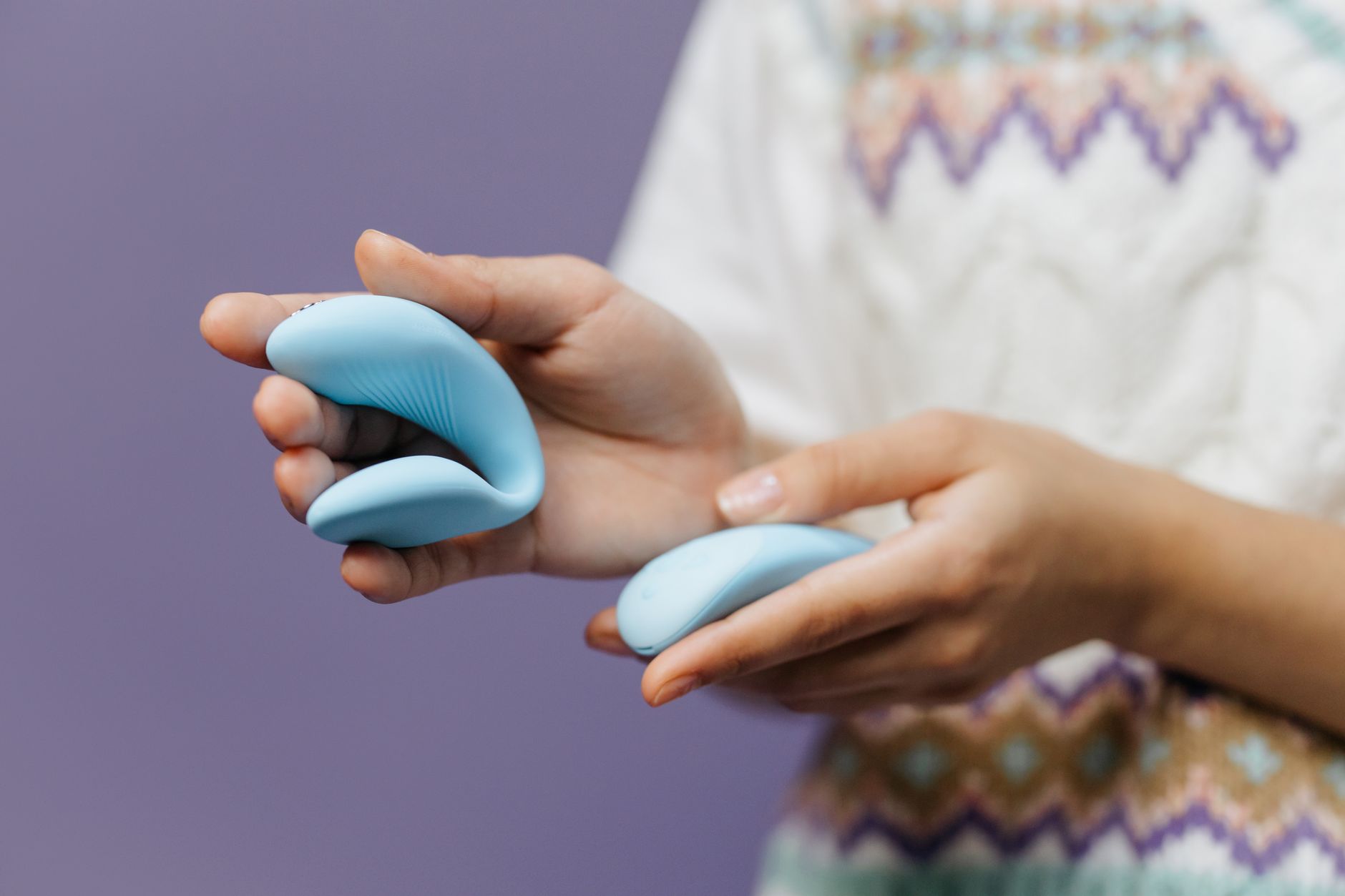
Suction-based clitoral vibrators like the Lem work differently. Instead of relying on speed or intensity, they create a gentle pulling sensation that mimics oral sex. This approach has a crucial advantage in your 40s: it wakes up the deeper nerve endings without exhausting the surface ones. For bodies experiencing changes in orgasm frequency or intensity, suction stimulation often works faster, feels more complete, and requires less adjustment between sessions.
The role of warm-up and timing
Orgasm frequency in your 40s isn't separate from arousal. It's completely tangled with it.
Budget 15 to 25 minutes for genuine arousal, not just physical stimulation. Mental arousal matters more now. Stress, relationship dynamics, body image, and focus have more weight than they did at 25. A partner or solo session needs more runway.
Start with the Lem on the lowest settings. Don't think of this as a warmup to "the real thing." This IS the thing. Spend five to ten minutes exploring sensation at pattern one or two. Notice where your clitoris lives in relation to the suction cup opening. Small adjustments in positioning can shift the entire experience.
Orgasm frequency often improves simply because you've given yourself permission to slow down. Counterintuitively, rushing rarely works now. Lingering does.
Positioning and angle matter differently now
At 25, you might have come lying on your back in three positions. At 45, one of those positions might feel completely different, and one angle that never worked might suddenly be your reliable entry point.
This is why flexibility in technique is crucial. The Lem's cordless design and quiet motor mean you can experiment without performance anxiety. Side-lying positions often work better in your 40s because they reduce pelvic floor tension naturally. Some people find that lying on their stomach with a pillow under their hips creates the angle that works now.
Orgasm frequency sometimes increases simply because you've found the two or three positions that align with your current body. Stop assuming you know what works. Explore.
Mental patterns that sabotage frequency after 40
Here's what I see clinically: women in their 40s often unconsciously speed up during self-pleasure, rushing to finish before they "take too long." The irony is that this hurrying is exactly what prevents orgasm when your body needs more time to build.
Create actual space for this. Not stolen time between email checks. Real time. 30 to 45 minutes if possible. Close the door. Phone in another room. Tell your partner you're taking an hour. This permission shifts everything.
Another pattern: assuming that if orgasm takes longer than it used to, something is wrong. It's not. It's information. Your nervous system might need more novelty. Arousal might need more mental engagement. You might need to imagine something different than you used to. All of this is normal.
When to use suction versus other approaches
The Lem works best when you're looking for reliable, full sensation without performance pressure. Its suction mechanism is particularly effective when:
You've noticed numbness from traditional vibration and want to wake up nerve endings that feel dormant. You want consistent, predictable sensation without having to chase the right vibration speed. You're re-learning your body after 40 and benefit from a tool that's forgiving of small positioning errors. You're with a partner and want something that's quiet enough for real conversation during foreplay.
There are moments when other tools work better. If you want quick, intense stimulation for specific reasons, a clitoral vibrator with stronger vibration sometimes fits. If you're exploring internal sensation alongside clitoral work, that's a different conversation. But for reclaiming orgasm frequency when your body has shifted, suction-based stimulation often becomes the reliable tool in your pleasure toolkit.
The relationship between stress, hormones, and frequency
Orgasm frequency in your 40s is wildly sensitive to stress. Midlife often brings career peaks, aging parents, relationship transitions, or body image friction. Any of these can tank orgasm frequency.
This isn't a sexual problem. It's a nervous system problem wearing a sexual disguise. The solution is rarely more stimulation. It's often less stress, better sleep, movement, and time for genuine arousal.
If you're in a partnership, this is a conversation worth having. "My orgasm frequency has shifted, and I'm working with it" is very different from "something is broken." The Lem can support that work, but it can't fix systemic stress.
Frequency patterns that deserve attention
If you notice that orgasm frequency has dropped dramatically, that's worth checking in about. Sometimes it's just the normal shift of your 40s. Sometimes it points to relationship disconnection, depression, medication effects, or hormonal patterns that a doctor should know about.
Get checked out if: you've had regular orgasms for years and suddenly can't access them at all; you're experiencing pain alongside the frequency change; you're on a new medication and the shift coincides exactly; you suspect hormonal changes might be playing a role.
Most of the time, though, your body is just asking you to slow down and pay attention to what it needs now. The Lem is an excellent tool for that conversation.
Building a reliable routine that works for your body now
Orgasm frequency often improves when you build a predictable rhythm rather than waiting for spontaneous desire. Three or four times a week of dedicated time, even 15 minutes, often yields better results than random attempts.
This works because your nervous system settles into the routine. Your body learns when to open up. Anticipation builds. You're not asking your nervous system to shift from stressed to aroused in 90 seconds.
Start with no expectation of orgasm. The goal is sensation and attention. Spend time understanding what your body wants now. Notice what patterns of stimulation feel good without the pressure of climax. Orgasm frequency often returns naturally once you've rebuilt the foundation.
Your pleasure doesn't diminish after 40. The road to it just changes direction. The Lem helps you find the turns you need.
FAQ: Orgasm frequency and the Lem vibrator
Why does orgasm feel more internal and less localized after 40?
Tissue changes in your 40s shift where sensation lives. Estrogen decline means thinner, more sensitive tissue in some areas. The clitoral body can feel deeper. Orgasms that once felt like a surface release might feel more like a wave through your whole pelvic floor. This is normal. Many people report it as more satisfying, not less.
Can the Lem help if I've lost the ability to orgasm quickly?
Yes, often. The Lem works by creating consistent, gentle suction rather than relying on intense vibration speed. This approach helps when your nervous system needs a different kind of stimulation. That said, the actual barrier is often psychological, not physical. Permission to take longer, reduced performance pressure, and quality warm-up time matter more than the tool.
Is there a difference between how often I should use the Lem versus traditional vibrators?
No inherent difference. Use what feels good as often as you want. Some people find that suction-based tools like the Lem are less numbing with frequent use, which means they can sustain regular pleasure without needing breaks. Others love combining approaches.
What if my partner is involved? Does the Lem still help with frequency?
Definitely. The Lem is quieter and more elegant than most vibrators, which can reduce embarrassment or performance anxiety. You can incorporate it into partnered sex without it feeling clinical. Many couples find that introducing a tool opens conversations about what's actually working now, which alone often improves frequency.
Should I see a doctor if my orgasm frequency has dropped significantly?
Yes, if the change is sudden or complete. A doctor can rule out medication side effects, hormonal changes, or underlying health factors. Most of the time, though, frequency shifts in your 40s are just your body asking for different approach. A good starting point is usually a conversation with a sex-positive healthcare provider or therapist who specializes in midlife sexuality.
How long does it take for frequency to improve once I start using a lemon vibrator differently?
It varies widely. Some people notice a shift within a few uses. Others take a few weeks of consistent exploration. The pattern matters more than the tool. If you're giving yourself real time, genuine arousal space, and permission to slow down, frequency often improves within 3 to 4 weeks. If you're still rushing through, no tool will help.
The bottom line
Orgasm frequency changes in your 40s because your body changes. That's not a problem. It's an invitation to learn what you need now. The Lem, designed for clitoral vibrators that work with your body rather than against it, is a tool that can help you explore that shift without frustration or numbness.
Your pleasure doesn't end after 40. It deepens. It asks for different timing, different touch, different approach. When you listen to what your body is asking for now, orgasm frequency often returns. Sometimes it's better than before.
If you're ready to rebuild your relationship with pleasure at this stage, we're here to support that. Reach out with questions or to explore what might work for you.