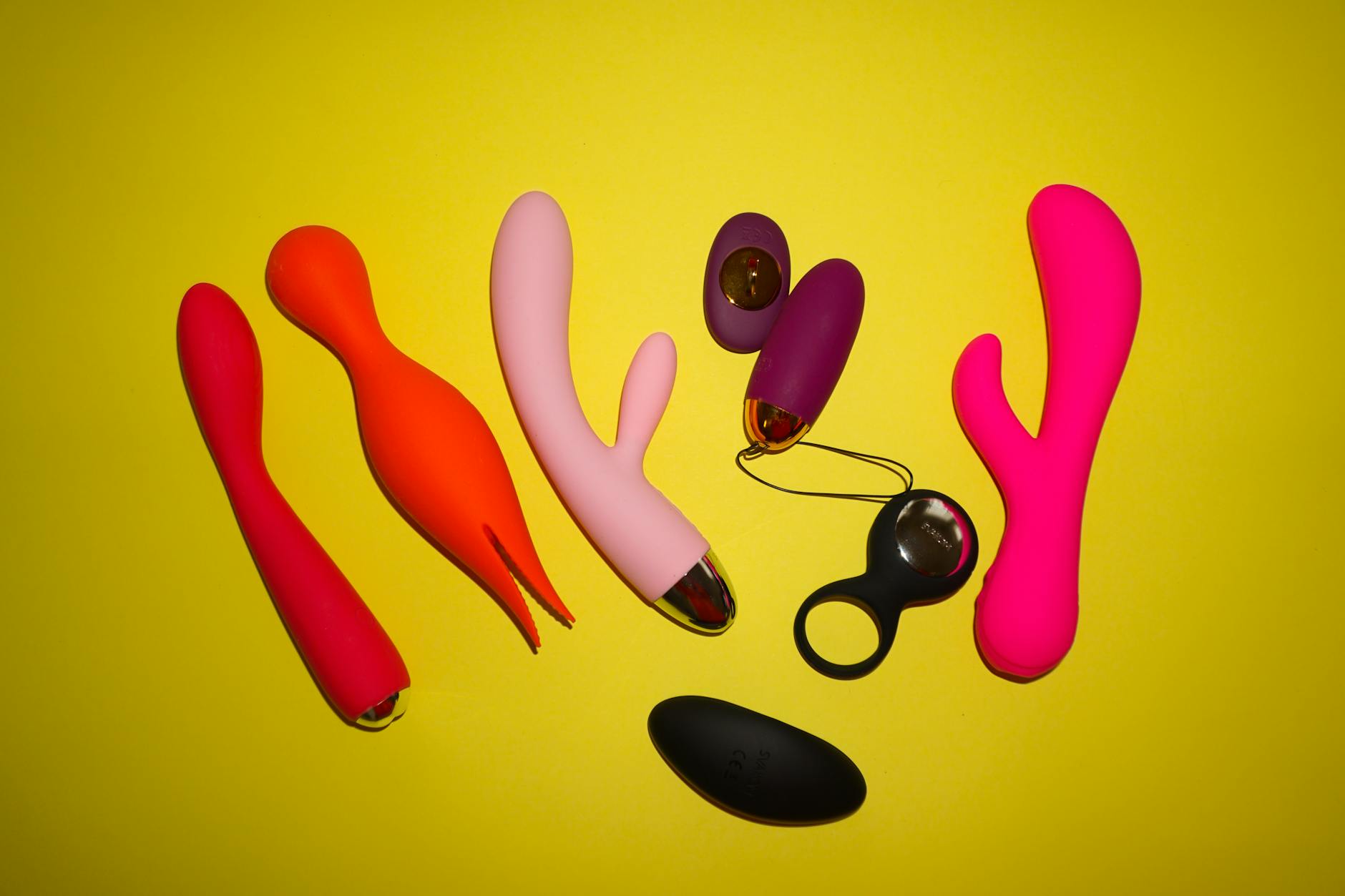
Let's be real about post-divorce pleasure
Divorce reshuffles everything. Your daily routine, your identity, your sense of safety in the world. And somewhere in that chaos, your sexuality gets reorganized too. Maybe you haven't had sex with anyone in months. Maybe the idea of touching yourself feels foreign, or worse, complicated by memories you're still processing. That's not something anyone warns you about in the divorce paperwork.
What I see in my practice is this: people emerge from divorce with a specific kind of disconnection. It's not that desire is broken. It's that the channel between your brain and your body has gone quiet. The self-pleasure you might have enjoyed before feels tangled up with partnership, or obligation, or grief about what's over. Starting solo pleasure again isn't about jumping into it. It's about reclaiming your body as something that belongs entirely to you.
Here's where a lemon clitoral vibrator changes the game. I'll explain why, and then exactly how to use one when you're starting from zero.
Why solo pleasure matters after divorce
This isn't about healing. Pleasure isn't therapy, and I'm not going to sell you the idea that an orgasm fixes a breakup. What pleasure does do is create a specific kind of evidence. It shows your nervous system that your body is safe, that it still works, that sensation is still available to you. That matters more than it sounds.
After divorce, many people report that solo pleasure feels like the first selfish thing they've done in years. And I mean that as a compliment. You're not performing for anyone. You're not checking in with a partner's comfort. You're not managing someone else's expectations or insecurities about toys. You get to be entirely self-interested, and that's exactly the practice your nervous system needs right now.
Second reason: rebuilding confidence in your own body. Divorce often comes with a narrative that something about you was wrong. That's rarely true, but the brain believes what it's told. Solo pleasure rewrites that story. It says: this body is alive, capable, and worthy of attention. That's radical.
Why a lemon vibrator specifically
A few things make lemon clitoral vibrators especially useful for post-divorce pleasure:
The suction mechanism is gentler on vulnerable tissue. After months without sexual activity, your clitoris needs time to wake up. Suction stimulates the entire clitoral complex without intense friction, which means you can take your time without discomfort. You're not working against your body.
The sensation is totally different from partnered sex. This sounds strange, but it's actually useful. Because lemon sexual toys work so differently from penetrative sex or even partner touch, your brain doesn't automatically link the experience to your marriage or to what you're grieving. It's entirely new territory. That fresh sensation can help interrupt the loop of "this reminds me of him" or "this is how things used to be."
The intensity is learnable. Unlike a traditional vibrator, where you're mostly turning it on or off, a lemon suction toy like the Lem has adjustable patterns. You can start at level one, completely gentle, and work up. This gives you agency and control, which is exactly what rebuilding looks like.
How to actually use it, starting from scratch
Week one: just holding it. Seriously. Unwrap it. Charge it. Hold it. Look at it. Get used to the idea that this object is yours and it exists to give you pleasure. You don't have to use it yet. Divorce teaches you that your body isn't yours. This is step one in unlearning that.
Week two: external exploration, no expectations. Wash the toy. Use a little water-based lubricant. Place it near your clitoris on the lowest setting. You're not trying to come. You're not trying to feel anything specific. You're just noticing: what does this feel like? Is it pleasant, uncomfortable, neutral? Does it change if you wait five minutes? If you move it slightly? The goal is information, not orgasm.
Week three: building duration. Once you've done a few sessions of five to ten minutes, try extending to fifteen. You're not chasing sensation yet. You're building the habit of giving yourself this time. You're teaching your nervous system that pleasure is safe and available. Many people find that their body wakes up on its own timeline once it knows you're not rushing.
Week four: playing with patterns. The Lem has multiple settings. Once you've settled into a rhythm, try moving between them. Some patterns feel more intense. Some feel more rhythmic. You might find you prefer one, or you might like variety. This is where it becomes actually fun, not just functional.
What's actually happening in your body
When you use a lemon vibrator, you're activating thousands of nerve endings in and around the clitoris. This sends a signal to your brain that says "pay attention, something good is happening." For people post-divorce, that signal has been quiet. Your brain has been running on low. What happens over time is that pathway opens back up. Not because you're getting better at coming, but because your nervous system remembers that pleasure is possible.
You might notice your body changing too. More blood flow to your genitals over time. Clitoral tissue becoming more responsive. Lubrication returning more easily. These aren't signs that you're broken and healing. They're just your body remembering its own capacity.
The emotional part (it matters)
Here's what I know from working with people post-divorce: the body often lags behind the brain. Your brain might intellectually know that the divorce is good, or necessary, or the right choice. But your body is still in grief. It's still holding onto the map of partnership.
When you start solo pleasure again, you might feel sadness alongside the good sensations. You might get five minutes into a session and suddenly remember something you're trying to forget. That's not a sign you're doing it wrong. That's your nervous system processing. Let it happen. Pause the vibrator. Breathe. Come back to it when you're ready.
Some sessions will be restorative. Some will be emotional. Some will just feel nice. All of them are doing the work.
Rebuilding your relationship with desire
Marriage often teaches us to manage desire. To calibrate it around another person's availability, their preferences, their comfort level. After divorce, you might not even know what your own desire looks like anymore. Does it exist outside of partnership? What does it want? How does it move?
Using a lemon adult toy solo is actually an experiment in that question. You're learning what you like without negotiation. What pace feels good to you. What intensity. Whether you want to come or just to feel. Whether you like patterns or constant pressure. Whether you want toys at all, or if you're rediscovering your hands.
This intelligence matters. It's not about becoming better at solo pleasure for its own sake. It's about rebuilding a relationship with your body that isn't filtered through anyone else's lens. That foundation changes everything.
When to check in with yourself
If pleasure becomes another place where you're performing, or punishing yourself, or trying to "fix" what's broken, pause. That's not the work. The work is gentle.
If you're using solo pleasure to avoid processing grief, that's worth noticing too. Not because pleasure is bad, but because grief needs space. Both things can happen. You can rebuild pleasure and still be sad about what ended.
If pain appears, stop. Talk to your doctor. Genitourinary changes after major stress are real and treatable. You don't have to push through anything.
Most importantly: if nothing is happening and you feel like you're faking it, give yourself more time. Some people rediscover desire quickly. Others take months. Both timelines are normal.
The long game
Rediscovering solo pleasure after divorce isn't about rushing into partnered sex again. It's not even really about orgasms, though those can be part of it. It's about rebuilding a baseline of sensation and confidence and knowing that your body is yours. That it's capable. That it deserves attention.
A lemon vibrator is just a tool in that work. The tool matters because it makes the work easier, more comfortable, and genuinely pleasurable instead of just functional. But the real work is internal. It's you saying: I'm going to spend time with my own body. I'm going to discover what I like. I'm going to rebuild trust with myself.
That's the whole thing. And it takes the time it takes.
FAQ: Solo pleasure and post-divorce rediscovery
How long after divorce should I wait before trying solo pleasure again?
There's no timeline. Some people want to reconnect with their body within weeks. Others need months. The only rule is: don't push yourself if it doesn't feel right. Your nervous system will tell you when it's ready. Common signals are curiosity returning, fantasies popping up, or just feeling like your body is yours again. Wait for at least one of those. Forcing it before you're ready usually backfires.
What if I feel guilty using a toy after divorce?
Guilt is normal. Your nervous system might link solo pleasure to infidelity, or to the fact that something was "missing" in your marriage, or just to the idea that you should be grieving, not feeling good. None of those things are true, but the guilt is real. The move through it is: keep going gently. Guilt usually passes with repetition. Your brain eventually learns that pleasure is safe and doesn't mean anything except that you deserve it.
Can I use a lemon clitoral vibrator even if I've never had an orgasm?
Absolutely. In fact, a lemon vibrator is often easier to learn with than other toys because the suction mechanism is less jarring than traditional vibration. The pressure is different. Start on the lowest setting with no pressure or expectation. Read more on how to use a lemon vibrator if you've never had an orgasm before to understand what to expect.
What if my ex and I used toys together, and now they feel weird?
Your brain might have linked the toy to partnership. That's common. You have a few options: get a new toy (sometimes the fresh object helps your brain separate the experience), or give yourself time before trying the old one again. If you eventually want to use the same toy, that's fine too. It's your object now. It can belong to this version of your life, not the old one.
Is solo pleasure the same as healing from divorce?
No. Healing is bigger. It involves processing grief, rebuilding your identity, maybe therapy or support from friends, learning new routines, grieving what you thought your life would look like. Solo pleasure is one small piece. It's the part where your body specifically gets to be okay. They can happen in parallel, but pleasure isn't a substitute for the bigger work.
How do I know if I'm using a lemon vibrator too much?
If you're using it to avoid feelings, to numb out, or if it's starting to feel obligatory instead of enjoyable, that's a sign to check in. Also notice whether you're still able to feel sensation with your hands, or whether you've become dependent on the toy. Neither is a disaster, but both are worth paying attention to. Most people find a natural rhythm. You don't need rules. You just need to notice when something shifts into compulsion.
Final word
Rediscovering solo pleasure after divorce is one of the most hopeful things you can do. It's you saying: my body is still here. It's still mine. I get to feel good. A lemon vibrator makes that easier. But the real work is showing up for yourself with gentleness and patience. The rest follows.