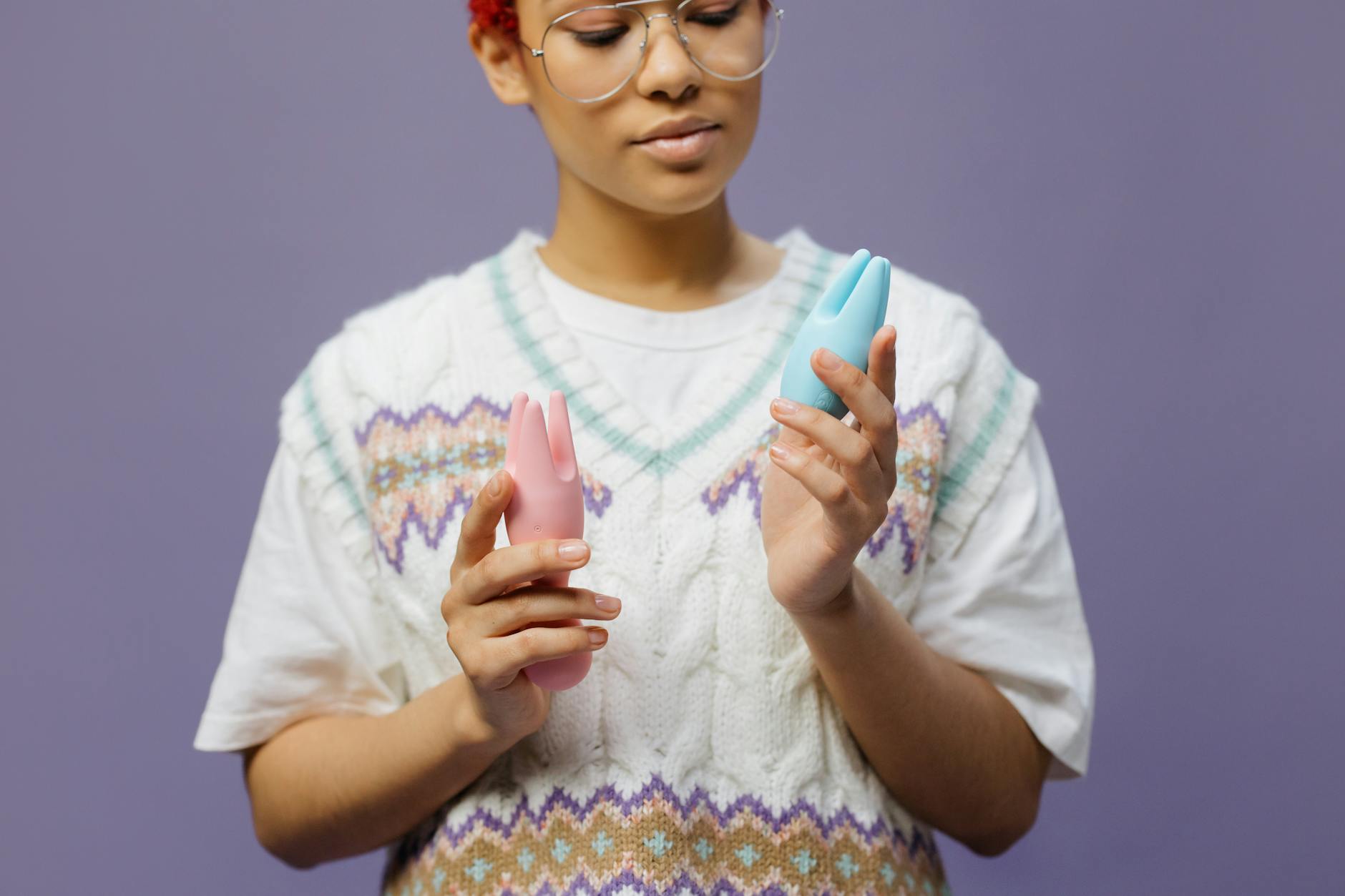
How to Use a Lemon Vibrator for Better Orgasms When Recovery From Pelvic Floor Physical Therapy
Here's what nobody tells you about pelvic floor recovery
Pelvic floor physical therapy works. It really does. But the moment your PT says "you're cleared for sexual activity," most people assume that means pleasure comes roaring back immediately. It doesn't. The muscles heal. Sensation doesn't automatically follow.
I see this in my practice constantly. Someone finishes eight weeks of pelvic floor PT, gets the green light, tries to have sex, and finds themselves numb or frustrated or disappointed. The tissues have relaxed. The tension is gone. But the nerve pathways need rewaking. That's where a lemon clitoral vibrator comes in. It's not just a toy here. It's a tool for reconnecting your nervous system to pleasure after you've spent weeks focusing on pain management.
What pelvic floor PT actually does to sensation
When your pelvic floor is tight or dysfunctional, blood flow to the area gets compromised. The nerves get irritated. Your body goes into a protective pattern, which means the clitoris literally receives less stimulation signal. Even light touch feels muted or wrong.
PT releases that tension. That's the win. But tight muscles and released muscles are two different neural states. Your brain has been in protection mode. Your clitoris has been understimulated. When the physical restriction lifts, sensation doesn't automatically flood back at full volume. The nerves need gentle, consistent input to relearn responsiveness.
This is where a lemon vibrator's suction pattern becomes genuinely different from a traditional vibrator. Suction doesn't rely on the rapid mechanical friction that can feel jarring when you're hypersensitive or numb. Instead, it creates rhythmic pressure waves that stimulate without triggering the protective guard your nervous system has been maintaining.
The timeline for reintroducing pleasure after PT
Don't rush this. I know that sounds obvious, but the impatience is real. Your PT cleared you, so you want to feel normal again. Except "normal" doesn't flip like a switch.
Weeks one to two after your final PT session: You're still in the tender-tissue phase. Your pelvic floor has learned to relax, but the tissues are sensitive. This is solo exploration only. Start with your hands. Learn what light touch actually feels like. No toys yet. No partners. This is about your nervous system going "oh, okay, gentle input is safe now."
Weeks three to four: Introduce the lemon clitoral vibrator on the lowest setting for no more than three to five minutes. Solo. Focus on pattern recognition, not orgasm. The goal here is sensation mapping. Your body is learning to distinguish between different types of stimulation again.
Weeks five and beyond: You can expand to longer sessions and higher intensity. This is when most people start feeling something closer to baseline pleasure.
How to actually use a lemon vibrator during pelvic floor recovery
Start externally only. The clitoris has 8,000 nerve endings concentrated in a tiny space. When your pelvic floor is healing, those nerves are extra sensitive but often undersensitive at the same time. It's a weird paradox. Suction handles this better than vibration because it distributes pressure across a wider area instead of concentrating it on one point.
First session: Warm up first. Lie down, take ten minutes to breathe and relax your body. Intentional relaxation matters because your pelvic floor has learned to tighten. You're retraining it to stay open. Then use the lemon vibrator on setting one, moving it slowly around the vulva, not just on the clitoris. Let your nervous system register the input as non-threatening.
Second and third sessions: Move to the clitoris directly, but use short bursts. Five seconds on, five seconds off. This pattern teaches your nervous system that pleasure is safe and predictable, not jarring.
Weeks two and three: You can hold the lemon vibrator steady on the clitoris for longer periods, gradually working up to settings two and three. Notice what patterns feel good. Some people find one rhythm deeply pleasurable; others need variation. There's no right answer. You're learning your own body again.
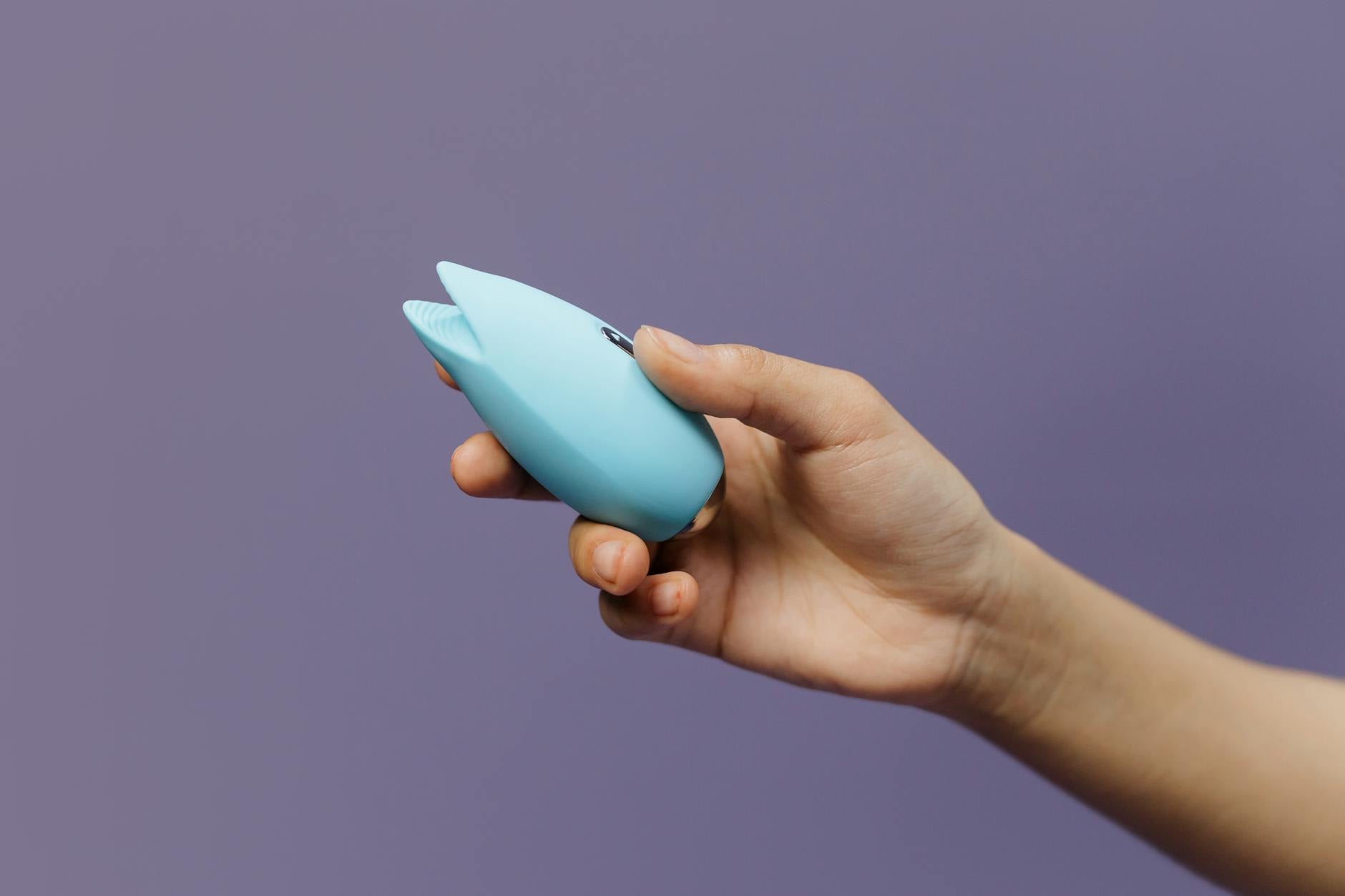
Photo by cottonbro studio on Pexels
Why suction feels different when you're rebuilding sensation
A lemon vibrator uses air-pulse technology, which means it's not literally vibrating. It's creating gentle suction and release. For someone recovering from pelvic floor dysfunction, this matters profoundly.
Traditional vibrators work through high-frequency oscillation. When your clitoris is undersensitive, you need that intensity. But when your tissues are healing and your nervous system is still in partial protection mode, that same intensity can feel overwhelming or numb. Suction feels like a massaging rhythm instead of a buzzing intensity. It registers as pleasure faster for most people in recovery.
Beyond the sensation difference, there's the pacing control. A lemon suction vibrator lets you use multiple patterns. Pattern one and two are gentle and exploratory. Patterns three and up bring more intensity. You control the ramp. You're never stuck at one intensity level, which means you can adapt the experience moment to moment as your nervous system recalibrates.
What to expect emotionally during this recovery phase
I want to be direct here because the mental piece is often what derails people: you might not have an orgasm for a while. That's not a failure. That's not your body being broken. That's your nervous system being cautious, which is actually a healthy protective response.
Many people try to force an orgasm because "I should be able to by now." And that pressure alone kills sensation. Pressure kills pleasure. Every single time.
The goal in weeks one through four is not orgasm. It's sensation. It's learning to feel pleasure without an end goal. That sounds mystical, but it's practical. Your nervous system learns to trust pleasure again when pleasure isn't attached to performance.
Orgasms usually return around week six to eight for most people. Some take longer. If you're still struggling by week twelve, talk to your PT again. Sometimes there's a remaining muscular issue that needs one or two additional sessions.
When to involve a partner in this process
Here's the thing about recovery: it's deeply personal, but most people don't want to navigate it alone forever.
If you have a partner, I recommend staying solo through week four. This is about your nervous system recalibrating to your own body. Adding someone else's touch, attention, and expectations changes the nervous system state. It's not wrong to want that. It's just a different process.
Around week five, when you're consistently feeling sensation and starting to feel pleasure, you can bring your partner into exploration. Start with them watching you use the lemon vibrator. No performance pressure. They're just present. This creates safety while adding a different type of stimulation (emotional connection, visual intimacy, the feeling of being desired).
Week six or seven, they can hold the vibrator while you guide them. Again, this is about learning together, not about them "doing it right." Your job is to communicate. Their job is to listen.
The common mistakes people make during pelvic floor recovery pleasure
Jumping to high intensity too fast. Your tissues heal faster than your nervous system recalibrates. Setting five or six on a lemon vibrator might feel amazing once you're four weeks out, but in week one it'll feel painful or numbing.
Pushing toward orgasm instead of toward sensation. I cannot overstate how much this matters. Orgasm will come back. Sensation comes first. Pleasure comes second. Orgasm is third.
Not communicating with your partner about what you need. If you have a partner, tell them the timeline. Tell them that right now, slow matters more than intensity. Tell them that you might not orgasm and that's okay. Tell them what would actually feel supportive. Most partners want to help. They just don't know what help looks like.
Forgoing the lemon vibrator because it feels like admitting something's still wrong. Here's the reality: it's not. Using tools during recovery is what smart, informed bodies do. A lemon clitoral vibrator isn't a crutch. It's a bridge.
Frequently asked questions
Can I use a lemon vibrator right after my PT appointment?
No. Wait at least five to seven days. Your tissues need that recovery window without active stimulation. Your PT will tell you when you're cleared for sexual activity. That's your starting point. The lemon vibrator comes in around week two of that cleared phase.
Will using a lemon vibrator slow down my pelvic floor recovery?
Not if you're gentle and intentional. Pelvic floor recovery is about retraining the muscles to relax and function correctly. Using a vibrator on the lowest setting for short bursts doesn't interrupt that process. It actually supports it by rewiring pleasure pathways, which tells your nervous system that your pelvic floor doesn't need to stay protective.
What if the lemon vibrator triggers pain?
Stop immediately and go back to solo hand exploration. You're not ready for external vibration yet. Give it another two weeks. Also talk to your PT. Pain is information. Sometimes it means you need one more session to fully release tension.
How long should each session last when I'm recovering?
Start with three to five minutes. That's genuinely enough. Your nervous system is learning. Intensity of sensation matters more than duration. After week four, you can extend to ten to fifteen minutes, but there's no benefit to going longer than that during the recovery window.
Can I use a lemon vibrator if I had pelvic floor issues caused by childbirth?
Yes. In fact, the pelvic floor recovery timeline is often longer after childbirth (sometimes eight to twelve weeks of PT instead of six), so starting a lemon vibrator around week five to six is usually appropriate. But get your PT's thumbs-up first.
Do I need to use lube with a lemon vibrator during recovery?
Yes. During recovery, tissues are often drier because your arousal response is still recalibrating. Water-based lube makes everything feel better and protects sensitive tissue. It's not a sign that something's wrong. It's part of the process.
What's next after recovery feels complete
Somewhere around week eight or nine, most people feel their baseline sensation and pleasure returning. That's when the lemon vibrator becomes less of a recovery tool and more of a pleasure tool. You can experiment with higher patterns. You can use it with a partner. You can explore the sensations fully without the framework of "I'm rebuilding something."
That shift feels amazing when it happens. You've done the work. Your body has healed. Your nervous system has recalibrated. You earned this.
If you're struggling past week ten with sensation that still feels muted or pleasure that isn't returning, reach out to your PT again or consider a pelvic floor specialist. Sometimes there's a piece of the puzzle that needs additional support, and there's no shame in asking for it.
Your pleasure matters. Your recovery matters. And using the right tools during that recovery isn't weakness. It's wisdom.