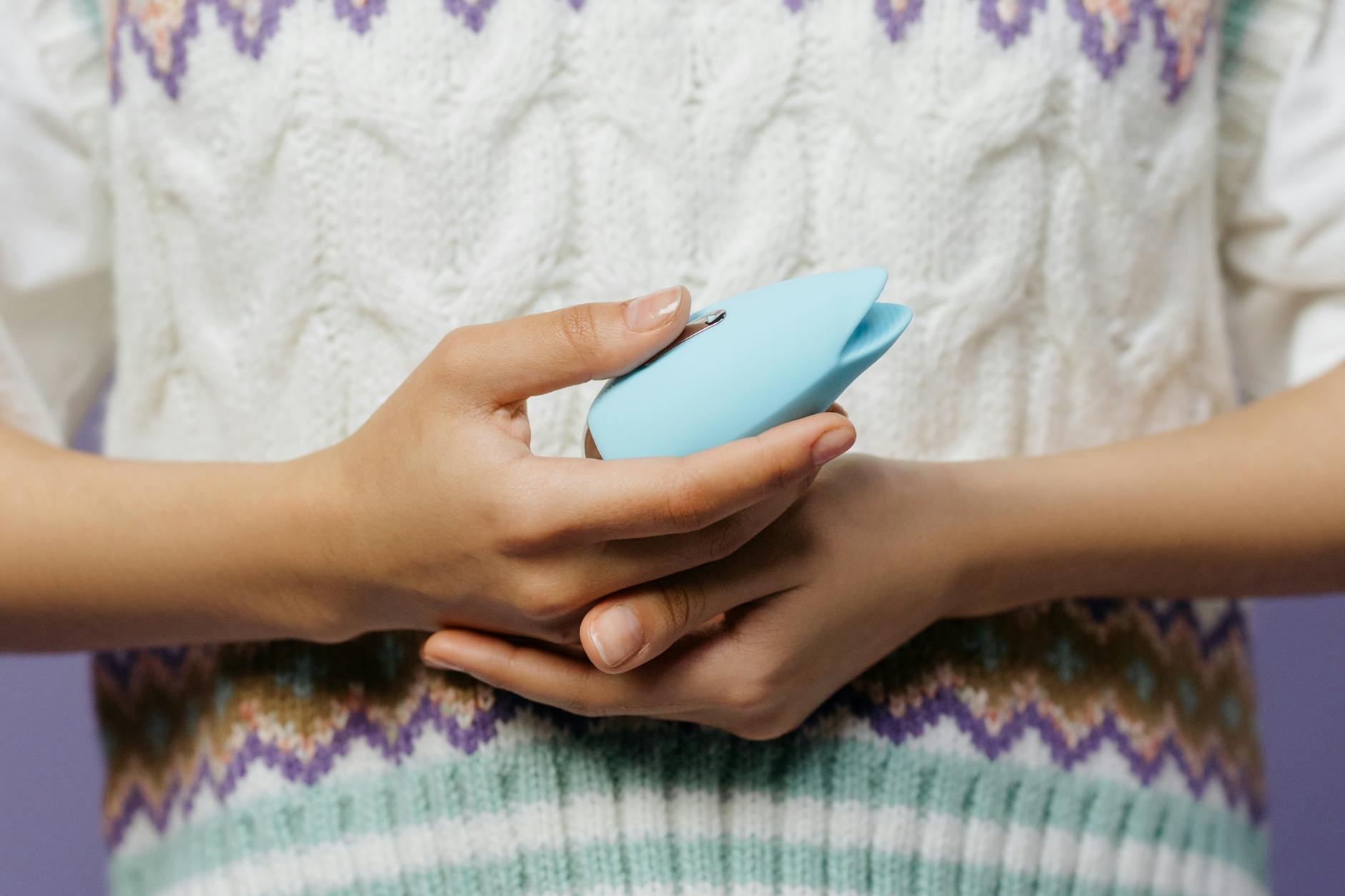
Here's what no one tells you after invasive medical procedures
Your body went through something. A surgery, a biopsy, a procedure with a speculum held open longer than felt comfortable, or treatment that left you sore and violated. The physical healing happens in weeks. The emotional and sensory healing takes longer. And somewhere in that gap, you're wondering if pleasure still belongs to you.
It does. But getting back there requires a different approach than before.
Why medical trauma changes your relationship with pleasure
Invasive pelvic procedures create what therapists call "procedural trauma." Your body learned that something touching you there meant discomfort or violation. The nervous system encoded that as danger. Now, when you want to feel pleasure, your body sends mixed signals. You might freeze, or tense up, or feel nothing at all even when you want to feel something.
This isn't psychological weakness. It's neurobiology. Your vagus nerve, your pelvic floor muscles, and your brain's threat-detection system all got rewired during the procedure. Pleasure requires the opposite state. You need your body to feel safe enough to relax.
That's where control comes in. When you control the speed, intensity, and timing of stimulation, your nervous system downregulates. The threat signal quiets. Your body begins to trust touch again.
Why a lemon vibrator works differently for trauma recovery
Think about what happened during your procedure. Someone else held the tool. You couldn't control the pressure or the pace. You felt pressured or trapped or trapped at all. A lemon clitoral vibrator inverts that entire dynamic.
With a device like the Lemon, you hold the power literally in your hand. You decide when it touches you, where it touches, how intense the sensation gets, and when to stop. That agency is therapeutic. It's not a gimmick or a marketing angle. It's how your nervous system learns to feel safe again.
Second, the Lemon's suction-based design is gentler on post-procedure tissue than vibratory stimulation alone. The suction doesn't require direct friction, which means less pressure, less irritation, and less chance of retraumatizing sensitive areas. You get intense sensation without intensity.
Starting your recovery with pleasure
Wait for medical clearance first. If your provider said no internal contact, respect that boundary completely. You're not working against your recovery. You're building pleasure alongside it.
When you're ready, set the scene like you're creating safety. Warm room, locked door, no time pressure. Your nervous system needs to know there's no rush and no audience.
Start with the Lemon on its lowest setting. Forget about orgasm for now. You're collecting data about what feels good and what feels like a trigger. Place it externally, away from any tender areas. Experiment for five to ten minutes. Stop whenever you want to stop. There's no goal.
That first session might feel awkward, or numb, or even uncomfortable. That's normal. Your body is rebuilding its pleasure map. You're teaching it that touch on your terms is safe again.
Building intensity in your own timeline
Some people come back to pleasure in weeks. Others take months. There's no right timeline. The only mistake is comparing yourself to how you felt before.
Once the lowest setting feels neutral and occasionally nice, try pattern 2. Then 3. You're not chasing an orgasm. You're following what your body responds to. Some survivors find that gentle, sustained suction feels better than rhythm. Others prefer something with a bit more pattern to it. The Lemon has both. You control which.
If you're working with a partner, involve them thoughtfully. Tell them you're rebuilding your relationship with pleasure and you need control during this phase. That might mean asking them not to touch you during your solo sessions. It might mean they watch without touching, so you rebuild trust in being vulnerable around them. It might mean they hold the Lemon while you direct the speed and angle. Every variation is valid.
When numbness happens
If you're feeling numb even on higher settings, your nervous system might still be in shutdown mode. That's not a sign to push harder. It's a sign to slow down.
Try pairing your sessions with grounding techniques. Before you use the Lemon, spend five minutes breathing slowly or feeling your feet on the ground. Some people light a candle or play music that makes them feel embodied rather than scared. You're sending your nervous system the signal that this space is safe before the pleasure part even starts.
If numbness persists beyond a few weeks of gentle practice, talk to a trauma-informed therapist or a pelvic floor physical therapist. Sometimes the nervous system needs professional help to downregulate. That's not failure. That's wisdom.
Rebuilding confidence after violation
Here's something most recovery guides skip: your confidence matters as much as your sensation. After medical trauma, many people lose faith that their body is theirs. That their pleasure matters. That they deserve to feel good.
Each time you pick up a clitoral vibrator on your own terms, you're making a small statement to yourself. My body belongs to me. I decide what happens to it. My pleasure is worth the time and the space.
That statement accumulates. Over weeks, it becomes something you believe.
When to reach out for support
If pleasure and pain feel fused together, if you're having flashbacks during your sessions, or if you feel worse instead of better after a few weeks of gentle exploration, find a trauma-informed sex therapist. They specialize in exactly this.
You might also benefit from connecting with a pelvic floor physical therapist. Sometimes the pelvic floor muscles clench as a protective response to trauma. A therapist can teach you to release that tension so your body can actually respond when you want it to.
Recovery isn't linear. You might have sessions where everything feels good and sessions where you feel triggered. Both are data. Neither means you're doing it wrong.
The long view
Medical trauma doesn't define your sexuality. It interrupts it. The goal isn't to go back to feeling like you did before. It's to build something new. A version of pleasure that belongs entirely to you, that you control completely, and that gets stronger each time you choose it.
A lemon vibrator is just a tool. The real work is your nervous system learning to feel safe again. But having a tool designed for gentleness, control, and sensitivity makes that work tangible. You're not fighting your body. You're rebuilding your relationship with it, one session at a time.
People also ask
How soon after a medical procedure can I use a clitoral vibrator?
Wait for medical clearance before any stimulation, internal or external. Most providers clear external-only pleasure after two to four weeks depending on the procedure. If you had surgery, ask specifically about clitoral contact. Some procedures require longer healing times. Once cleared, start gently and let sensation guide you. There's no rush.
Can a lemon vibrator help with vaginismus after medical trauma?
Yes, but carefully. Vaginismus is an involuntary tightening of the pelvic floor, often triggered by anticipation of pain. A clitoral vibrator helps because it's entirely external and non-penetrative. Your pelvic floor can't clench in response to penetration if there's no penetration. The Lemon lets you experience pleasure without triggering the protective reflex. That repeated safe experience, over time, helps your nervous system relax its grip. Pair it with pelvic floor physical therapy for best results.
Is numbness after medical trauma permanent?
No. Numbness is a protective response, not permanent damage. Your nervous system shut down sensation to cope with the threat. As you rebuild feelings of safety through gentle, controlled touch, sensation returns. It takes time. For some people, weeks. For others, months. Numbness doesn't mean the nerves are broken. It means your brain decided not to feel for a while. That decision can be reversed.
Can I use a vibrator with my partner during recovery?
Absolutely, if you want to. The key is control. You might ask your partner to hold the Lemon while you direct the pressure and placement. Or you might prefer using it solo first, then gradually involving them once you feel safer. Some partners find it helpful to be present but not touching, so you rebuild trust in being vulnerable together without the pressure of their touch. Communication is the only tool that matters more than the vibrator itself.
What if I feel triggered during a session with the lemon vibrator?
Stop immediately. There's no prize for pushing through. Take a few minutes to ground yourself. Feel your feet, your breathing, the temperature of the room. You might journal about what triggered you. You might take a few days off. When you return, try in a different location, at a different time, or with a different preparation routine. Your goal is to make the experience feel safe, not to force pleasure. Rebuilding takes patience.
Does using a clitoral vibrator change how I'll feel with a partner sexually?
Not negatively. Some people worry that solo pleasure will distance them from partnered pleasure, or that a vibrator means their partner isn't enough. The opposite is usually true. When you rebuild your relationship with pleasure on your own terms, you bring that confidence and knowledge back to partnered sex. You know what you like. You know how to ask for it. You're less likely to dissociate or freeze because you've practiced feeling present and safe. Your partner benefits from that clarity.
References and sources
If you're working through medical trauma, these resources can help alongside what you learn here. Talk to a trauma-informed therapist about any persistent symptoms. Reach out to Hello Nancy's support team if you have questions about pleasure and recovery. You deserve to feel good again, on your timeline, with tools built for your comfort.