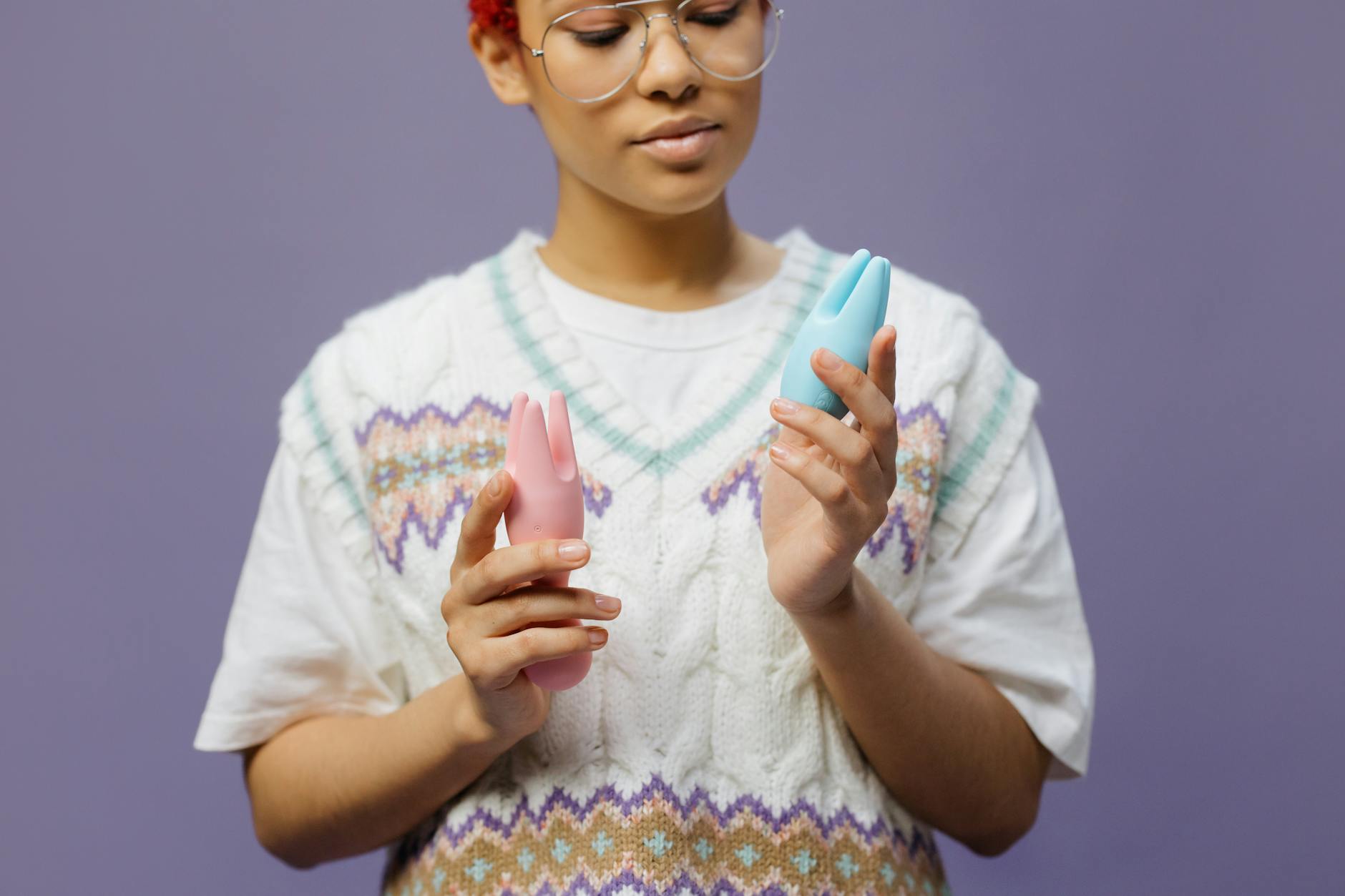
Let's be real about pleasure plateaus
You know that moment when something that used to make your body light up just... doesn't anymore? You're not broken. Your partner isn't the problem. Your body hasn't forgotten how to feel good. What's actually happened is neurological adaptation. Your nervous system has gotten used to the same stimulus, and it stops firing in the same way.
This is one of the most common things I hear from people in long-term relationships or long-term solo pleasure routines. "I used to come easily. Now I need more, or different, or something I can't quite name." The shame around this is enormous. But the fix is usually simple: novelty and intentional variation.
Why your body stops responding the way it used to
Your nervous system is actually very smart. It's also kind of lazy. When you repeat the same sensation over and over, your body stops treating it as novel information. The nerve endings that were lighting up with curiosity get quieter. Dopamine, the neurotransmitter that creates that anticipatory rush of pleasure, stops spiking as high because there's no surprise.
This isn't failure. It's adaptation. And it's completely reversible.
Here's the thing that changes the game: introducing a tool or technique your body genuinely hasn't encountered in this exact way before. A lemon clitoral vibrator works particularly well for this reset because the suction-based stimulation is fundamentally different from the buzziness of a traditional vibrator. Your body registers it as new. Your nervous system pays attention again.
The pattern that actually creates change
If you've been using the same approach for months or years, jumping straight to the highest intensity setting on a new device isn't the move. Your goal is to reintroduce novelty slowly enough that you can actually feel the difference.
Start with one of the lower suction settings on a lemon vibrator. Spend five to ten minutes with that pattern alone. Your job isn't to orgasm. Your job is to notice. Where do you feel this differently than your old routine? Is it more localized? Does it take longer to build? Does the sensation feel sharper or softer? Write down one observation.
Then stop. That's day one.
The next time you engage with pleasure, use your old routine. Let yourself notice how familiar it feels, now that you've introduced something else. Most people find that contrast actually reawakens sensation in both. Your body starts to distinguish between the two again.
After three to five experiences with both, then try layering them. Use your old approach for ten minutes, then switch to the lemon vibrator. Or reverse it. Let your nervous system practice context switching. That's where the real reset happens.
Why sensation feels different at different times
One reason people think they're stuck is that they measure pleasure against one standard moment. The best orgasm you ever had is now the bar. Everything else feels mediocre.
But your body isn't a machine. Arousal baseline changes throughout the month if you menstruate, with stress levels, with how much sleep you've had, with what else is going on in your relationship or your life. Some sessions will be slower builds. Some will be intense and quick. Some will be subtle and still deeply satisfying.
When you introduce a new tool like a lemon adult toy, you also introduce permission to notice these variations instead of just chasing the peak. The suction sensation of a lemon clitoral vibrator often creates more nuanced, layered sensations than a straight vibrator. You might discover that what you thought was a plateau is actually a much wider range of pleasure you were just moving too fast to notice.
The practical setup that works
Three changes make a huge difference:
1. Extend your warm-up time. If your usual routine is ten minutes total, budget twenty this week. This isn't because you're broken. It's because novelty takes longer to register. Your body needs time to get curious about what's different. Use the extra time to notice breathing, touch, what's building before you even reach for the toy.
2. Change your environment slightly. Different room, different time of day, different lighting, music instead of silence. You're basically telling your nervous system, "This is a different experience than usual." That context switch creates arousal novelty all by itself.
3. Vary the intensity within a session. With a lemon vibrator, this is easy. You have multiple settings. Start at level two. Stay there for three minutes. Move to level four. Back to level two. Your nervous system stays engaged because it's not habituating to one constant input. You're creating little peaks instead of one long plateau.
When a pleasure rut signals something else
Sometimes flatness in pleasure is about the tool. Sometimes it's about what's actually happening in your relationship or your life. If pleasure has gone flat AND you're feeling disconnected from your partner, or stressed about external things, or you're touching each other less in non-sexual ways, the vibrator alone won't fix it.
A lemon vibrator is genuinely helpful for physical sensation reset. But if the emotional connection has cooled, that's a different conversation that needs to happen separately. Trying to fix relationship distance with a toy creates resentment on both sides. It's worth naming that directly with your partner, or with a therapist, before you assume the problem is neurological.
That said. Sometimes reintroducing physical pleasure reintroduces emotional closeness. The body leads sometimes. Just don't expect the device to do the relational work.
Building a long-term variation practice
Here's what prevents future plateaus: rotating your approach intentionally. Every four to eight weeks, change something. Not everything at once. Just one variable.
Month one: New tool (like a lemon sexual toy if you haven't used one). Month two: New timing (morning instead of night, or a different day of the week). Month three: New position or location. Month four: Different intensity or pattern focus. You're basically designing your own pleasure research. Your nervous system stays engaged because novelty isn't random. It's built in.
Many of my clients report that this kind of intentional variation actually deepens their relationship to pleasure. You're not just chasing the same high anymore. You're getting to know the topography of your own arousal in a way you might never have otherwise.
When to consider professional support
If you've introduced genuine variation for several weeks and sensation still feels completely flat, or if pleasure has become painful, it's worth checking in with a provider. Hormonal shifts, medication side effects, or underlying health stuff can all contribute to sensation dulling. That's not something a vibrator fixes alone.
But most pleasure plateaus? They respond beautifully to novelty, intentionality, and a tool that genuinely feels different from what you've been using. A lemon clitoral vibrator creates that difference for most people because suction stimulation is neurologically distinct. Your body pays attention again. And that attention is where pleasure lives.
People also ask
How long does it usually take to feel a difference after using a new vibrator?
Most people notice something shifts within three to five sessions. Not always a dramatic peak. But a quality shift in how sensation registers. Your nervous system recognizes novelty pretty quickly. What takes longer is the deeper reset. That plateau genuinely lifting usually takes three to four weeks of intentional variation. Your brain needs time to stop habituating to the new stimulus. Patience here is actually the active ingredient.
Can you use a lemon vibrator if you're in a long-term relationship and feeling disconnected?
A lemon vibrator can help reintroduce physical sensation, which sometimes opens the door to emotional reconnection. But it's not a substitute for actual relational work. If emotional distance is the real issue, the vibrator is a tool within a larger conversation, not the whole fix. Have that conversation with your partner first. Then introduce novelty in pleasure together as a way of practicing presence and attention with each other.
Why do some people find suction-based vibrators more effective for pleasure reset than traditional vibrators?
Suction creates a different kind of stimulation neurologically. Instead of continuous vibration, you're getting rhythmic pressure and release. Your nerve endings have to process a different pattern. For people stuck in a traditional vibrator plateau, suction feels genuinely new. That novelty is what resets the nervous system response. It's not that suction is objectively better. It's that it's different enough to matter.
Is it normal for pleasure to feel good one week and pretty mild the next?
Completely normal. Your body isn't stable. Hormones shift. Sleep quality changes. Stress levels move around. Your arousal baseline goes up and down. The problem starts when you assume every session should match your best session ever. That's not how bodies work. Wide variation in pleasure intensity across different times is actually healthy. It means you're reading your body's real state instead of forcing a standard.
How do I know if I'm in a pleasure rut or if I actually have a bigger health issue?
A pleasure rut feels like "this used to work and now it doesn't." You can still get aroused. You can still reach orgasm, but it takes more effort or feels less intense. A health issue usually comes with other symptoms. Pain, numbness, inability to get aroused at all, or dramatic changes in a short window. If it's the latter, see a provider. If it's the former, variation is your first move. Most people don't need medical intervention. They need novelty and permission to explore differently.
What's the best way to introduce a new vibrator to a partner?
Direct conversation, not surprise. "My pleasure has felt kind of flat. I want to try something different. Would you be open to exploring this together?" Then show them the tool. Let them handle it if they want. Be clear about what you're hoping it does. You're not saying they're not enough. You're saying your nervous system needs novelty. Most partners actually find that less threatening than the silence where you're quietly frustrated. Transparency here builds trust.
The reality is this: pleasure isn't supposed to stay the same forever. Bodies change. Nervous systems adapt. That's not failure. It's just how sensation works. The move is to design variation intentionally instead of treating flatness like a personal failing. A lemon vibrator, or any tool that genuinely introduces novelty, can be part of that reset. But it's your intentionality that does the real work.