
Here's what nobody tells you about relationship stress and your clitoris
Your body keeps score. Not in a mystical sense. In a literal, neurological one. When you're in sustained conflict with a partner, your nervous system sits in a low-level threat state. That activation dampens arousal signals, shrinks blood flow to your genitals, and essentially tells your clitoris to go quiet. It's a survival mechanism. It's also wildly inconvenient when you're trying to reconnect with someone you actually want to have pleasure with.
The worst part is that this numbness often arrives without drama. There's no single argument that switches off sensation. Instead, there's months or years of unresolved tension, careful conversations that go nowhere, and a slow fade into physical distance. Then one day you realize you can barely feel anything, and you're not sure if it's the relationship or your body or both.
It's usually both.
Why chronic conflict creates clitoral numbness
When your nervous system stays activated by threat, cortisol stays elevated. Cortisol directly suppresses sexual arousal hormones. At the same time, the pelvic floor tends to clench defensively, cutting off some of the blood flow and sensation you'd normally feel. It's like your body is bracing itself. The tighter you hold, the less you can feel.
There's also a psychological layer. Pleasure requires presence. If you're in a room with your partner but half your attention is on protecting yourself emotionally, your nervous system knows. The body doesn't separate "safe with them" from "safe in general." If the relationship feels uncertain, the body treats intimacy as risky and pulls back accordingly.
This isn't weakness or trauma response (though trauma can compound it). It's just how bodies work under chronic stress.
The difference between emotional reconnection and physical reconnection
Here's where a lot of couples get stuck. They do the emotional work. They talk things through, maybe see a therapist, rebuild trust. That's essential. But they assume the body will just automatically switch back on once the relationship feels safer.
It doesn't always work that way. Your nervous system has learned to protect you by staying numb. That protective pattern doesn't vanish the moment the conflict does. Your clitoris doesn't get an email saying "all clear, resume sensation."
Physical reconnection requires its own process. You have to gently prove to your nervous system that pleasure is safe again. That's where tools like lemon clitoral vibrators become genuinely useful. They're not a replacement for relationship repair. They're a way to retrain your body's sensory capacity while the emotional work is still happening.
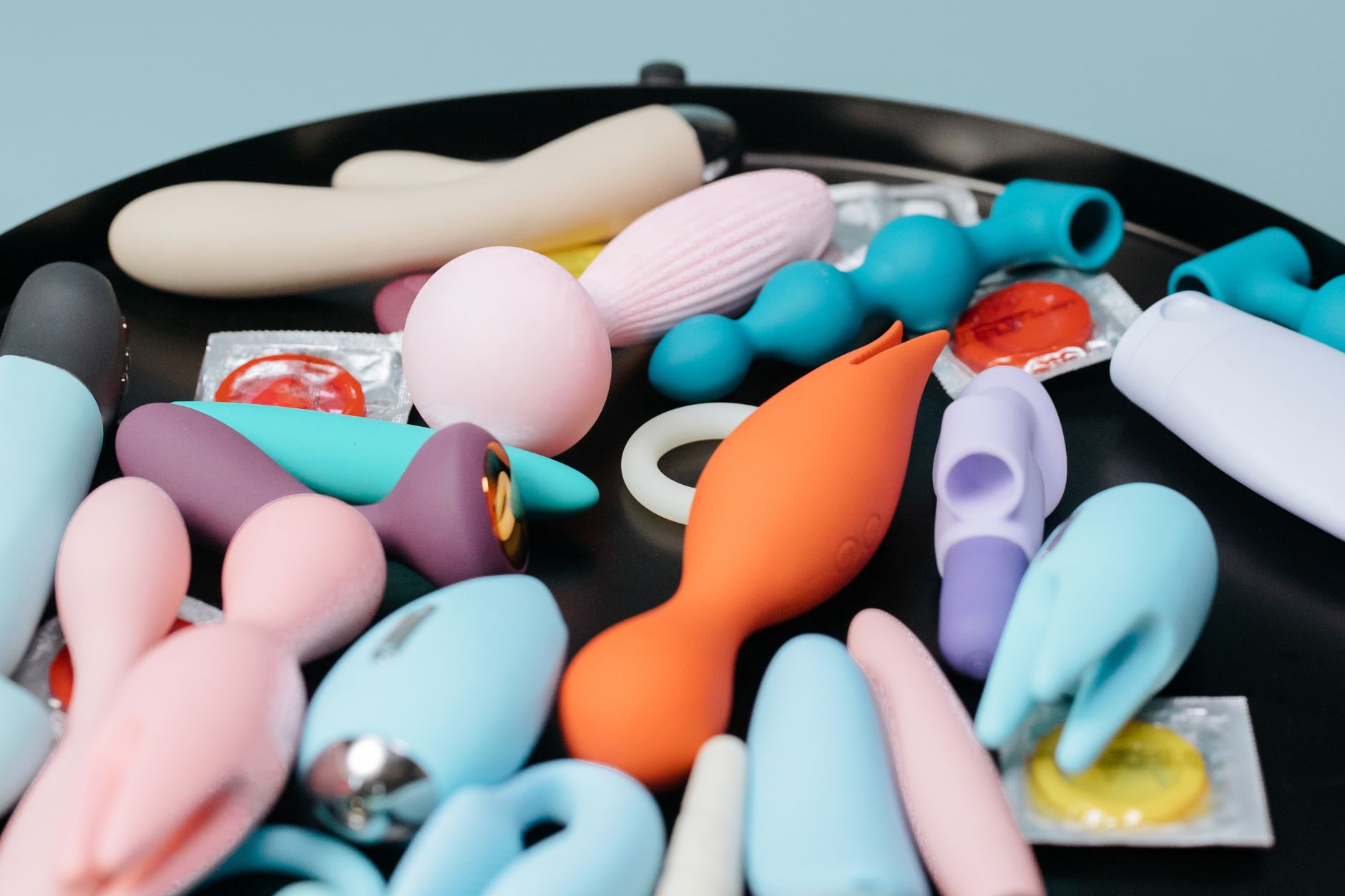
Photo by cottonbro studio on Pexels
Why lemon vibrators specifically help with sensation rebuilding
Clitoral suction stimulation (the technology in lemon clitoral vibrators) works differently than traditional vibration. Instead of direct mechanical pressure, it creates a gentle rhythmic pulse that draws blood into the tissue and activates a wider network of nerve endings. This approach has several advantages when you're rebuilding sensation after numbness.
First, it doesn't require the same level of baseline sensitivity to register. You can feel suction stimulation even when you're fairly numb because it's activating a different sensory pathway. Second, the sensation tends to feel gentler and less jarring, which matters when your nervous system is cautious about pleasure. Third, it's possible to use it solo (which removes partner performance pressure) while still building the neural pathways that make partnered pleasure possible again.
Many people find that ten minutes with a lemon vibrator three times a week starts rewaking sensation within two to three weeks. That's not magic. That's neuroplasticity. You're literally training your nervous system to recognize pleasure signals again.
The practical steps to rebuild sensation while working on the relationship
Start solo and unhurried
Don't introduce a clitoral vibrator into partnered sex yet. Give yourself permission to explore sensation alone first, without performance pressure or the need to coordinate with someone else. Set aside fifteen to twenty minutes when you won't be interrupted. The goal isn't an orgasm. It's just sensory awareness. What can you feel? Where? What intensity works?
Use it at low intensity settings
If you're using a lemon vibrator, start at the gentlest setting. Your nervous system has been protecting you by staying numb. Shock it with intensity and it will just shut down harder. Gentle, consistent stimulation retrains the system much faster than intense stimulation.
Pay attention to your pelvic floor
While you're exploring, notice where you hold tension. Many people clench their pelvic floor without realizing it, especially when they're nervous about whether sensation will return. Try consciously relaxing those muscles while using the lemon vibrator. Breathe into your belly. Let your hips settle. The more relaxed your pelvic floor, the more sensation you'll access.
Track what's changing
Writing this down matters more than you'd think. Note when you use the vibrator, what sensation you notice, what patterns you see. This isn't clinical data gathering. It's evidence to your own nervous system that things are shifting. You'll likely notice changes before they feel dramatic.
When to introduce this into partnered intimacy
Wait until you feel noticeably more sensation during solo exploration. That usually takes two to four weeks of regular use. Then, have an actual conversation about it with your partner. Not during sex, not when you're already intimate. During a regular conversation when you're both calm.
Make it simple: "I've been using a clitoral vibrator to help me rebuild sensation. I'd like to try it with you present sometimes. Not as a replacement for us. Just as something that helps me feel more."
Good partners will get this. Honestly, most people are relieved. It takes pressure off them to "fix" your numbness and puts the focus where it belongs: on your own body's capacity to feel.
The relationship piece still matters most
Let's be clear. A lemon vibrator will not fix a relationship that's fundamentally broken. It won't heal chronic betrayal or dishonesty or contempt. What it will do is help rebuild your sensory capacity while the actual relationship repair is happening. Think of it as a tool for your nervous system while you and your partner are doing the deeper work of reconnection.
If you're in active conflict right now, the vibrator isn't the first step. The first step is deciding whether you want to save the relationship. Getting professional help from a relationship-trained therapist. Having hard conversations about what both of you need. The physical reconnection comes after some of that foundation is in place.
But once you've decided to repair things and you're willing to do the work, rebuilding your capacity for pleasure becomes part of the healing.
When numbness signals something else
If you've been working on the relationship, using a lemon vibrator consistently, and sensation still isn't returning after two months, check in with a few other possibilities.
Are you on medication that could be affecting sensation? Birth control, antidepressants, and blood pressure meds can all dull sexual response. It's not permanent, but it might mean adjusting medication timing or talking to your doctor about alternatives.
Is there a history of trauma that's being triggered by this relationship dynamic? Sometimes what looks like relationship-caused numbness is actually an older protective pattern. A trauma-informed therapist can help distinguish between the two.
Are you actually rested and managing stress? Chronic sleep deprivation and stress kill sensation just as effectively as relationship conflict. No amount of vibration technology fixes that. You need sleep, movement, and actual rest.
If you've addressed those and sensation still isn't returning, talking to a gynecologist or sex therapist trained in sensation issues is worth it. Sometimes there's a physical component that needs attention alongside the emotional work.
FAQ: Rebuilding sensation after relationship stress
How long does it typically take to feel sensation returning after using a lemon vibrator?
Most people notice changes within two to three weeks of consistent use (three times weekly, about ten to fifteen minutes). Some feel shifts faster. Some take longer. Nervous system retraining isn't linear. You might have weeks where you feel a lot, then a week where numbness creeps back if you've had a stressful period. That's normal. Keep going.
Can I use a lemon clitoral vibrator if I'm not sure the relationship is fixable?
Absolutely. Rebuilding your own sensory capacity and pleasure isn't dependent on the relationship working out. In fact, reconnecting with what you can feel might help you figure out whether you want to stay. Some people discover they actually want to stay and rebuild. Others realize they need to leave. Either way, being connected to your own sensation helps you make clearer decisions.
What if my partner feels threatened by me using a vibrator?
That's worth talking about directly. A partner who understands what you're trying to do usually sees it as you investing in your own pleasure and reconnection, not as a replacement for them. If they frame it as threatening, that's actually information about how they relate to your pleasure and autonomy. That conversation matters independent of the vibrator.
Does the type of lemon vibrator matter if I'm rebuilding sensation?
The lemon clitoral suction design is particularly helpful because the sensation is different from traditional vibration. If you're numb from stress, suction tends to register faster. But honestly, consistency matters more than the exact tool. A high-quality lemon vibrator will feel more pleasant and encourage you to use it regularly, which is what actually drives the change.
If sensation comes back, will it stay back, or does numbness return if there's more conflict?
Sensation is responsive to your nervous system state. If you rebuild it and then enter another period of chronic stress or conflict, it can dull again. But you'll know how to wake it back up. You'll also be more aware of the connection between your relationship dynamics and your body, which is genuinely valuable information.
Can this help if the numbness is from medication, not relationship stress?
Partially. A lemon vibrator can help increase blood flow and sensation even if medication is part of the picture. But if medication is the main cause, you might want to talk to your doctor about timing or alternatives first. That said, using a vibrator alongside any medical adjustments absolutely helps.
The real work is reconnection
Rebounding sensation after chronic relationship stress isn't just about the vibrator. It's about your nervous system learning that pleasure is safe again. That you're safe again. That the person you're with can be trusted with your vulnerability.
So use the lemon vibrator. Notice what changes. But also do the harder work of rebuilding actual emotional safety with your partner, or deciding to leave if that's what you need. Your clitoris will follow wherever your nervous system feels genuinely safe.